 EN
EN

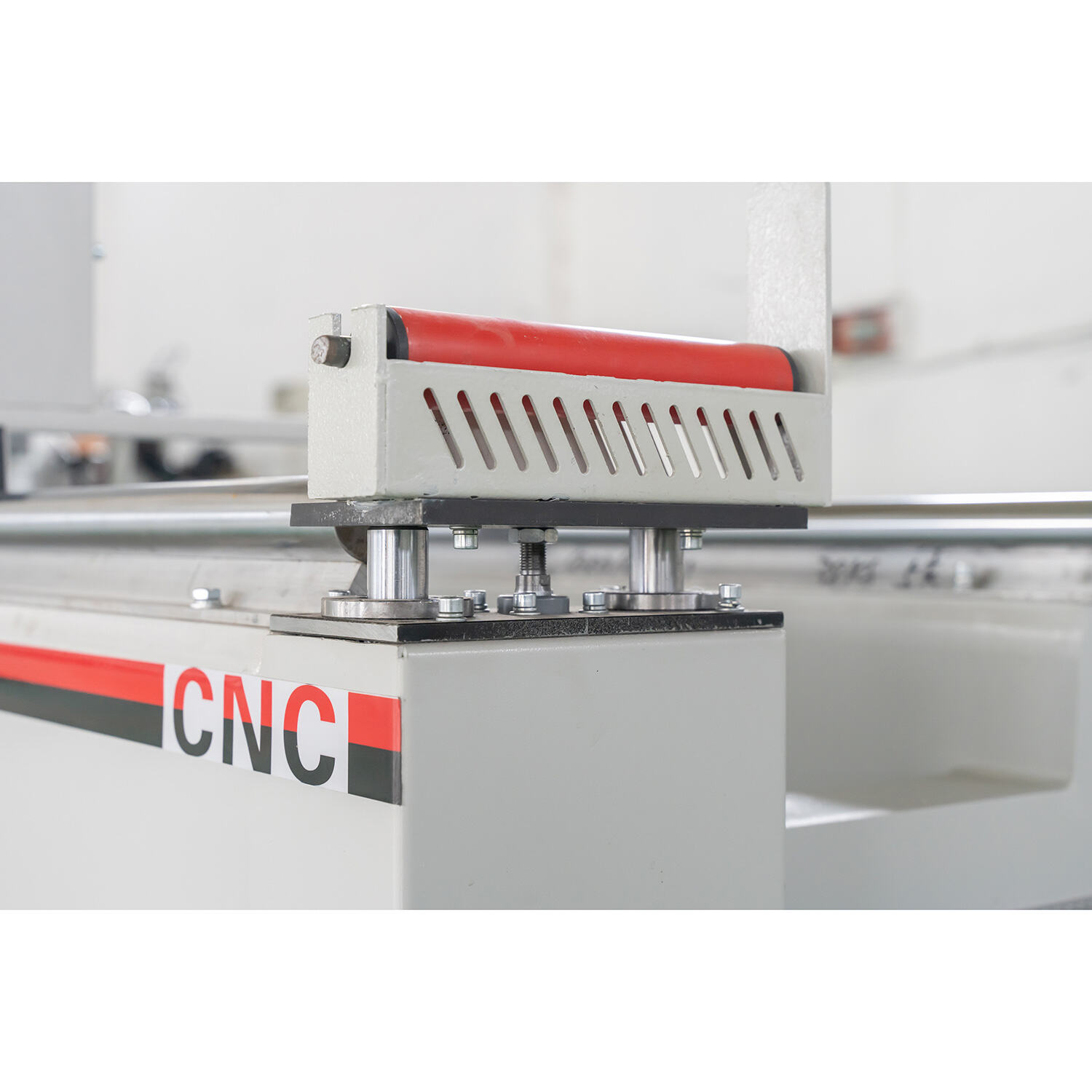
Why Automatic Feed Calibration Is Critical for Glazing Bead Saw Precision
When the feed system is properly calibrated, materials move consistently along cutting lines which makes all the difference for glazing bead quality. Systems that aren't calibrated right can produce parts with length variations over plus or minus half a millimeter. That kind of inconsistency actually breaks window seals and leads to expensive rework down the line. With sensors keeping track of feed rates, we maintain position accuracy around 0.1 mm, so there are no gaps when installing these components. The result? Less wasted material overall, somewhere around 15% savings per production run, and batches that look the same every time. Closed loop feeding systems stop conveyor belts from slipping and reduce wear on machinery too, cutting unexpected downtime by about 30%. If calibration gets neglected, workers end up checking every single cut manually, slowing things down considerably. Good calibration turns those unpredictable results into uniform products that actually match what architects specify in their blueprints.
Step-by-Step Automatic Feed Calibration for Bead Saws
Step 1: Mechanical Alignment and Conveyor Tension Verification
First things first, make sure every part of the conveyor system lines up straight across from the cutting blade. Grab those laser alignment tools and check if the rollers run parallel within about 0.1 degree variance. Next step is measuring how tight the belt really is using a digital tension meter. We're looking at around 35 to 40 Newtons per square millimeter here because too loose causes materials to slip off track, but too tight just stresses out the bearings unnecessarily. Don't forget to inspect those old worn out idlers and see if any guide rails have shifted position since these issues will definitely mess with where the beads end up going. Write down all these initial readings somewhere safe before moving on to the electronics setup stuff later on.
Step 2: Encoder-Based Speed and Position Calibration
Set up rotary encoders to monitor how the feed rollers rotate with a precision of 0.01 mm. The next step involves accessing the PLC interface where we need to enter the encoder's pulses per revolution (PPR) value. Most industrial systems use around 1024 PPR as standard setting. For calibration, run tests at different speeds - low, medium and high settings. Compare what the encoder reports back with actual measurements taken from 10 test beads placed along the path. Keep tweaking those scaling factors until the position errors stay within plus or minus 0.5 mm no matter what speed we're running at. Once everything looks good, put it through its paces with 20 straight cuts at full production speed to make sure it holds up under real conditions.
Step 3: Sensor–PLC Synchronization and Trigger Timing Adjustment
Synchronize photoelectric sensors with the PLC's input modules using ladder logic programming. Position through-beam sensors 50 mm upstream of the cutting zone to detect bead leading edges. Calculate trigger delay compensation using:
Delay (ms) = (Sensor-to-blade distance / Feed speed) + PLC scan timeTest with variable feed rates (2–6 m/min), adjusting delay parameters until cut position variance remains under 0.3 mm. Finally, simulate emergency stops to confirm safe interrupt sequences.
Validating Calibration with Test Samples and Statistical Process Control
After calibrating your automatic feed system, validation through test samples confirms precision. Cut 30+ bead segments under production conditions, measuring each against target lengths (±0.5 mm tolerance). Record deviations in a control chart tracking mean variation and range.
Implement Statistical Process Control (SPC) to sustain accuracy. Calculate standard deviation and set control limits at ±3—process capability (Cp) above 1.33 indicates robust calibration. Real-time monitoring flags outliers exceeding ±1% variance, triggering re-calibration. Operators trained in root-cause analysis can then address mechanical drift or sensor misalignment before defective batches occur.
| SPC Metric | Target Value | Action Threshold | Purpose |
|---|---|---|---|
| Standard Deviation | < 0.15 mm | > 0.20 mm | Detects rising inconsistency |
| Process Capability (Cp) | ≥ 1.33 | < 1.0 | Signals systemic inaccuracy |
| Control Limit Breach | 0 incidents | ≥ 1 incident | Halts production for adjustment |
Regular audits using this methodology reduce scrap rates by 19% while maintaining consistent material advance in cutting lines.
Sustaining Accuracy: Calibration Schedules, Documentation, and Operator Training
Maintaining precision in automatic feed calibration for bead saws demands a systematic approach beyond initial setup. Establish calibration intervals using three critical factors:
- Usage frequency (high-volume lines require monthly checks)
- Environmental conditions, such as temperature or humidity shifts
- Manufacturer guidelines for wear-prone components
Document every calibration in a centralized log, capturing measurements, adjustments, and deviations. This creates an auditable history for identifying drift patterns and proving compliance during quality audits.
Operator training bridges technical protocols with practical execution. Certify staff in:
- Recognizing feed synchronization errors
- Performing basic tension verifications
- Interpreting statistical process control (SPC) charts
Competency assessments every six months ensure consistent handling of sensor-based feed systems, minimizing length variation across batches. Together, these practices sustain batch repeatability for glazing components and support long-term reductions in material waste.
FAQ
Why is automatic feed calibration important for bead saws?
Proper feed calibration ensures consistent material movement, reduces waste, prevents machinery wear, and assures product conformity to specifications.
How often should bead saw feed systems be calibrated?
Calibration frequency depends on usage, environmental conditions, and manufacturer guidelines, with high-volume lines typically requiring monthly checks.
What is the purpose of Statistical Process Control in calibration validation?
SPC helps monitor and sustain accuracy, detect rising inconsistencies, and address issues before defective batches occur.
How is a calibration log beneficial?
A centralized log of calibrations helps track historical data for identifying drift patterns and ensuring compliance during quality audits.