 EN
EN

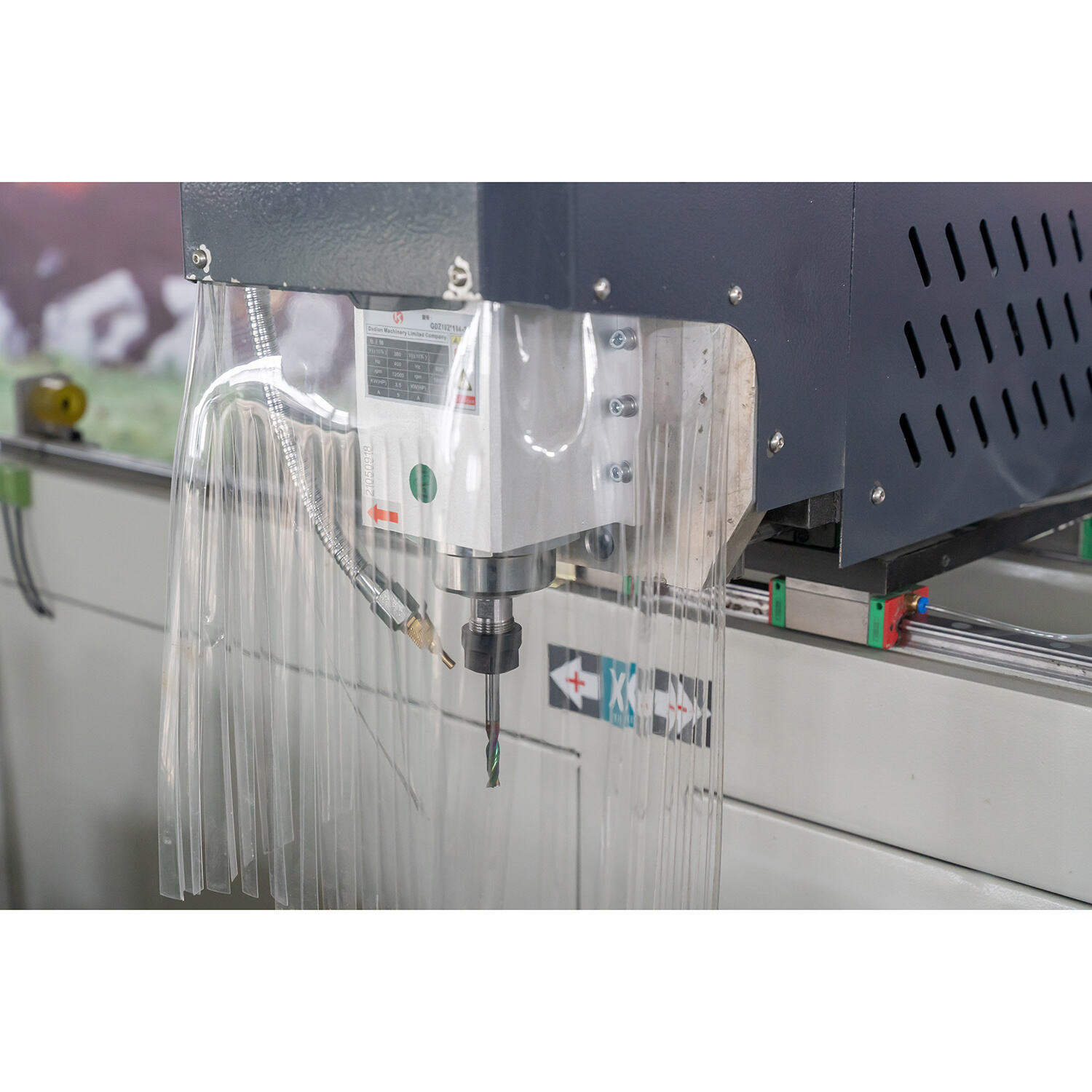
Cobot Safety Configuration for Lock Hole Routing Tasks
ISO/TS 15066 Compliance: Force, Pressure, and Contact Limits in Router Applications
When putting collaborative robots to work for lock hole routing tasks, following the ISO/TS 15066 guidelines on biomechanical limits is absolutely necessary if we want to keep workers safe from harm. According to this important standard, there's a hard limit of 740 Newtons for any impact against the torso area, while skin contact from sharp tools must stay under 170 Newtons per square centimeter. These numbers matter a lot especially when unexpected collisions happen around those active router areas. To stay within these safety margins, manufacturers typically employ several approaches. Rounded tip end effectors help spread out the pressure points rather than concentrating force in one spot. Torque sensors get installed so they can automatically cut off operation forces once they hit about 100 Newtons. And near those clamping zones where things get really intense, most systems will slow down their approach speed to no more than 0.25 meters per second. All these precautions become even more critical during those high vibration routing jobs on window frames and similar components. Studies show workplaces that ignore these requirements face roughly a 62 percent higher chance of worker injuries according to Robotics and Automation News back in 2025.
Risk Assessment for Router End-Effectors in Small-Batch Fenestration Production
When looking at hazards in manufacturing, there are several important factors to consider for effective analysis. These include how much variation exists in the workpieces being processed, how often operators need to step in manually, and what kind of access limitations exist with fixtures. All these things matter especially in small batch window production where conditions can change quickly. Some real danger spots show up when router bits get caught during those complicated multi axis movements, or when metal pieces fly out unexpectedly from non standard materials. Another big concern comes up whenever someone tries to do maintenance work close to machines that are still running. Studies have found that following proper risk assessment procedures based on standards like EN ISO 12100 can cut down accidents by about three quarters in setups where machines adapt to different tasks. Plants working with all sorts of different hardware should probably check their safety protocols every three months, particularly when they start making windows with new shapes or installing different types of fasteners.
Optimized Workspace Layout for Cobot-Based Lock Hole Routing
Compact Workcell Design: Separation Zones, Mechanical Stops, and Floor-Space Efficiency
Designing compact workcells makes it possible to integrate collaborative robots for lock hole routing right into those tight spaces on window fabrication lines. Instead of relying on traditional safety cages, these cobots work safely alongside people thanks to force monitoring systems that meet ISO/TS 15066 standards. The setup allows manufacturers to strategically place things like mechanical stops, light curtains, and even mount bases against columns to cut down on needed clearance by around 30 to 40 percent. What really makes this approach work are three main factors: first, dynamic separation zones that adjust through software depending on how complicated the tool path gets; second, modular mechanical stops that can be quickly changed when switching between different products; and third, storing routers vertically so they don't take up precious floor space. These setups typically fit within just 8 square meters while still making material loading comfortable for workers. This is particularly important in hardware drilling operations where equipment changes happen every hour. Best part? Reprogramming the robot using a teach pendant only takes a few minutes, which means adapting to custom window designs happens almost instantly without needing to rebuild the entire workcell from scratch.
Streamlined Programming and Flexibility for Cobot Lock Hole Routing
Teach-and-Repeat Path Programming for Consistent Lock Hole Patterns
The teach-and-repeat approach creates extremely accurate lock hole patterns even when working with different batches of window hardware. When setting up, operators simply move the cobot's router along the needed path one time. The built-in sensors then remember those positions with around 0.05mm accuracy each time. This hands-on method gets rid of complicated coding work, which makes it great for handling custom doors or changing specs during smaller production runs. After teaching, the cobot follows those same paths on its own without losing position over long periods of operation. Switching between different product versions means teaching just the new parts instead of rewriting everything from scratch, which saves about two thirds of the setup time compared to old school CNC machines. With easy to use displays, regular workers on the factory floor can tweak hole patterns themselves, not just the robotics experts. This helps explain why these cobots fit so well into operations where multiple materials and product types need to be handled together.
Integration Best Practices: Deploying Cobots into Existing Window and Hardware Fabrication Lines
When bringing cobots into older window manufacturing lines, the first step is usually finding those time consuming tasks that slow everything down, particularly the repetitive work involved in drilling lock holes. These compact robots can be installed right next to the existing machines because they use physical stop points instead of needing big safety enclosures around them. A good starting point for most shops is setting up some low risk test areas, maybe something simple like routing test pieces. This lets everyone check if the programming works properly, how well sensors react when parts aren't exactly the same size, and whether operators know what to do when interacting with the robot. Typically, companies roll out these changes gradually over anywhere from three to six weeks. They swap out tools as needed and adjust settings through trial and error methods. This approach keeps production running smoothly while still making improvements to lock hole accuracy in smaller batch window production. The best part? The whole process doesn't disrupt regular operations much and maintains the safety standards that are so important in manufacturing environments.
FAQ
What are the biomechanical force limits for cobots in routing tasks?
The ISO/TS 15066 standard specifies a maximum of 740 Newtons for impacts against the torso and 170 Newtons per square centimeter for skin contact from sharp tools.
How can cobots be safely integrated into small-batch fenestration production?
By assessing hazards, employing biomechanical force limits, conducting risk assessments, and adjusting safety protocols based on standards like EN ISO 12100.
What factors contribute to an efficient cobot workspace design?
This includes dynamic separation zones, modular mechanical stops, and efficient use of floor space by storing routers vertically.
How does teach-and-repeat programming benefit cobot operations?
It offers accuracy of about 0.05mm and allows operators to easily switch product versions by teaching just new parts without complex coding.
What should be considered when deploying cobots into existing manufacturing lines?
Start with low-risk test areas, gradually swap out tools, and use trial and error methods to ensure seamless integration without disrupting operations.