 EN
EN

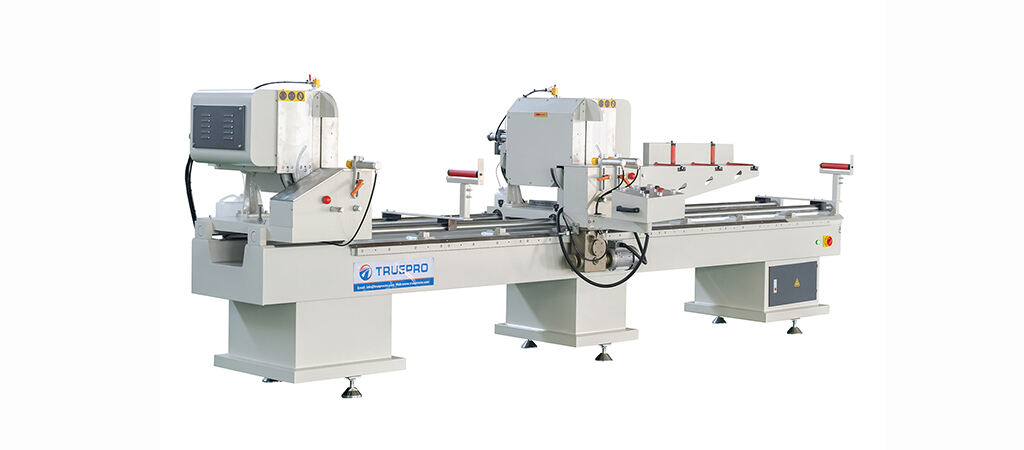
Why Service-Friendly Aluminum Window Machine Design Is Critical for Operational Uptime
When unexpected breakdowns hit aluminum window factories, they typically cost around $15k every single hour in lost work and backlogged orders. That's why having machines that are easy to maintain isn't just nice to have anymore—it's absolutely essential for keeping operations running smoothly. Factories that build their equipment with modular parts and quick swap-out features see repair times drop by roughly 40 to 60 percent compared to older setups. The layout matters too. Workspaces designed with ergonomics in mind cut down on how long technicians spend fixing things and also help prevent those nasty injuries that slow everyone down. Around one quarter of all maintenance holdups come from worker injuries after all. What this means in practice is that what used to take hours now often takes under half an hour, according to industry data showing equipment stays online about 19% longer each year. And beyond just getting stuff done faster, these smart designs save money over time because parts are easier to stock and replace, plus machines tend to last longer overall. It adds up pretty nicely when looking at the whole picture of production costs.
Core Design Principles for Service-Friendly Aluminum Window Machine Architecture
Service-friendly aluminum window machine design prioritizes minimizing technician intervention time without compromising production integrityâembedding serviceability into every architectural decision from initial concept development.
Integrate Serviceability from Concept: Mechanical Layout, Fastener Strategy, and Component Spacing
Strategic component placement cuts diagnostic time by 30%, per industrial maintenance studies. Critical subsystems require:
- Minimum 50 mm clearance zones around high-failure components
- Standardized fastener types (ISO 4762 hex socket heads preferred)
- Color-coded hydraulic and pneumatic lines with quick-disconnect fittings
- Component grouping by maintenance frequencyânot functionâto streamline recurring tasks
Modular Access Systems: Quick-Release Panels, Tool-Less Hinges, and Zone-Based Grouping
Leading manufacturers deploy three-tiered access systems that enable full component replacement in under 15 minutes:
- Perimeter panels with quarter-turn latches for daily inspections
- Subsystem modules on tool-less hinges for belt, motor, or drive train access
- Zone-based service groups, physically isolating electrical, drive, and control systems
This layered approach reduces MTTR by 40% versus traditional designs while preserving structural rigidity via reinforced access framesâensuring accessibility never comes at the expense of machine stability.
Ergonomic Service Layout: Optimizing Technician Workflow and Safety
ISO-Compliant Work Heights (750â1100 mm) and Adjustable Support Platforms
When workstations stay within the ISO suggested range of around 750 to 1100 millimeters, important service areas line up better with how arms naturally move. This cuts down on those awkward bends and overhead reaches that cause so many back and shoulder problems for maintenance workers day after day. Studies looking at workplace ergonomics show these kinds of changes can actually reduce injuries by somewhere between 25% and 30%. Some shops have started using adjustable support stands too. These let techs position themselves just right whether they're dealing with big heavy actuators or doing delicate cutting work on machinery parts. The result? Machines stay properly calibrated while being serviced, which means quicker fixes and fewer accidents. Maintenance teams get their equipment back online faster without compromising on either safety standards or repair quality.
Enabling Rapid Component Replacement Without Compromising Structural Integrity
Getting quick component changes right in aluminum window machines takes serious engineering work to keep everything structurally sound and accurately measured. With modular designs, techs can swap out actuators or CNC parts in less than 90 minutes while still keeping those tight alignment specs around plus or minus 0.1 mm. According to recent industry stats from 2023, this approach cuts down on repair time by about two thirds compared to older systems. For manufacturers running complex window production lines, this kind of speed makes all the difference when trying to stay productive despite constant product changes.
Balancing Quick-Swap Actuators and CNC Subassemblies with Rigidity and Calibration Stability
Rapid replacement relies on compensatory rigidity solutions engineered into the interface itself:
- Precision-guided interfaces with tapered alignment pins ensure self-location during installationâeliminating post-installation calibration drift
- Reinforced mounting plates, fabricated from high-grade steel alloys, absorb dynamic operational stresses while supporting tool-less access
- Vibration-dampening couplings between servo motors and drive trains preserve positioning accuracy during high-speed cutting cycles
| Design Feature | Structural Benefit | Service Impact |
|---|---|---|
| Modular subassemblies | Independent load-bearing structures | Isolate replacement impact |
| Kinematic mounting | Zero re-calibration needs | 45-minute actuator swaps |
| Redundant bolting | 200% overload capacity | No torque sequence required |
This balance prevents the 23% productivity loss typically incurred from machine requalification after repairs. By embedding service-friendly design principles from the outset, manufacturers achieve critical component replacements in under 25 minutesâwithout sacrificing the 0.02 mm positional repeatability demanded in precision fenestration manufacturing.
FAQ
Why is service-friendly design essential for aluminum window machines?
Service-friendly design ensures that machines can be maintained quickly and efficiently, minimizing downtime and operational costs associated with unexpected breakdowns.
How can manufacturers integrate serviceability into machine design?
Manufacturers can integrate serviceability by ensuring proper mechanical layout, standardizing fasteners, and using modular access systems that facilitate rapid component replacement without compromising structural integrity.
What are the ergonomic benefits of service-friendly machine design?
Service-friendly machine design follows ergonomic principles to reduce technician injuries, enhance workflow efficiency, and ensure quicker maintenance tasks without compromising safety standards.
How do modular designs enhance rapid component replacement?
Modular designs allow for quick component swaps through precision-guided interfaces and reinforced mounting plates, maintaining structural soundness and alignment throughout the process.
Table of Contents
- Why Service-Friendly Aluminum Window Machine Design Is Critical for Operational Uptime
- Core Design Principles for Service-Friendly Aluminum Window Machine Architecture
- Ergonomic Service Layout: Optimizing Technician Workflow and Safety
- Enabling Rapid Component Replacement Without Compromising Structural Integrity
- FAQ