 EN
EN

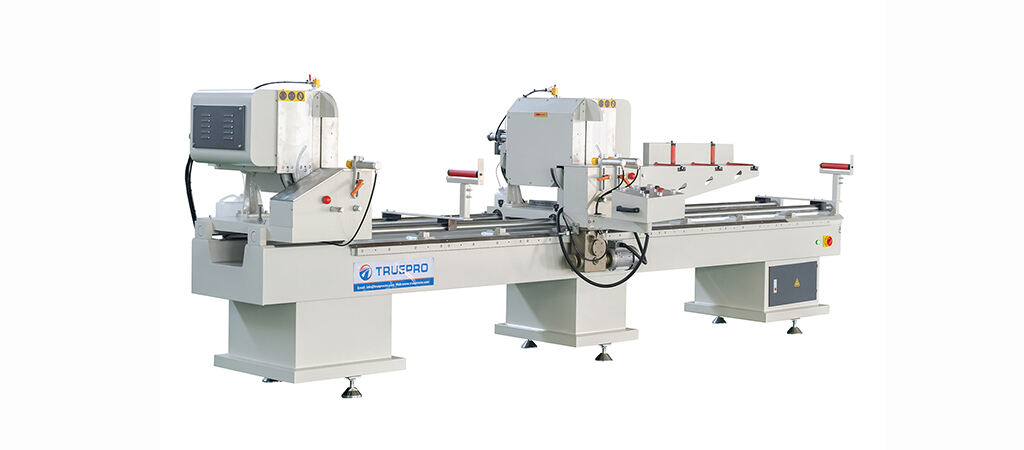
Why Oversized Glass Handling Challenges Standard Aluminum Window Lines
Aluminum window manufacturing facilities run into serious problems when dealing with large glass panels bigger than 8x12 feet. The really big ones, sometimes going up to 11x20 feet, put stress on machinery that wasn't designed for such sizes. Factory conveyor belts tend to get out of whack because the weight isn't distributed evenly across them. What's worse, the supports aren't spaced properly either, which makes fractures much more likely during processing. According to industry reports, broken glass incidents jump around 40 percent higher when plants try to work with these oversized pieces using standard equipment setups rather than making necessary modifications first.
Old style vacuum grippers just aren't up to the task when dealing with bigger insulating units because they don't cover enough surface area, which makes secure transfers pretty much impossible. Take aluminum framing parts for example these bend about 2.9 times more than their steel counterparts when loaded similarly, leading to all sorts of stability issues while moving things around. Combine this basic weakness of materials with the limited space already built into most work areas and we end up with dangerous situations that need special handling procedures. There's also no good automation available right now for managing those big panels safely, so factories have to retrofit their setups somehow whether that means widening conveyors or installing adjustable vacuum gripper systems just to keep production numbers where they should be.
Practical Retrofit Solutions for Oversized Glass Handling on Standard Lines
Retrofitting existing aluminum window production machinery enables precise, cost-effective handling of oversized glass units without replacing entire lines. Strategic upgrades overcome size limitations while maintaining core equipment functionality. Two synergistic approaches deliver operational resilience:
Conveyor Modifications: Width Expansion and Adaptive Support Spacing
When we extend those roller conveyor tracks, they can handle those big jumbo panels without issues. The structural reinforcements keep everything rigid even when dealing with heavier loads. Getting the support spacing right is super important to stop any bending or warping. According to FSM-2024 standards, panels over 10 square meters need to stay within a 0.15mm per meter sag limit. We've added these dynamic bearing zones throughout the system that let things adjust on the fly, which really helps with those tricky laminated or triple glazed units that tend to shift dimensions. Speaking from experience, this modular setup cuts down panel stacking problems by almost 90% during those busy production periods compared to older systems that weren't modified at all.
Smart Gripper Integration: Variable Vacuum Zones and Real-Time Load Sensing
Switching from regular suction cups to segmented vacuum grippers allows for zone-based activation, which makes it possible to lift panels that are oddly shaped or have uneven weight distribution. The system includes pressure sensors that pick up on tiny slippage movements and then adjust grip strength automatically to stop things from falling off completely. Smart software looks at how weight is distributed across panels so workers can manage large insulation units weighing over 300 kilograms without risk. These kinds of smart handling systems cut down broken glass incidents during transportation by around two thirds according to field tests. Manufacturers report significant savings after implementing these technologies in their production lines.
Safe, Repeatable Transfer Protocols for Non-Standard Glazing
Handling oversized glass on standard lines demands specialized protocols to prevent accidents and ensure consistent results. Non-standard dimensions amplify risks like slippage and stress fractures, making engineered transfer methods essential for operational safety.
Dynamic Clamping vs. Edge-Guided Restraint: Choosing the Right Method
Dynamic clamping systems work by adjusting pressure points to fit those tricky, irregular glass edges out there. This helps spread the force around more evenly, which makes them really good for handling those odd-shaped glass pieces. On the other hand, edge-guided restraint systems depend on fixed rails to move rectangular panels quickly through production lines. But these systems hit a wall when dealing with anything but basic shapes. According to findings from the latest Glazing Safety Report released in 2024, using dynamic clamping can cut down breakage rates by about 18% when working with all those non-standard shapes architects love so much. For custom jobs where uniqueness matters most, go with dynamic clamping. Standardized mass production? Edge-guided systems still hold their own there despite their limitations with complicated forms.
Work Area Clearance Standards and Operator Safety Best Practices
Keeping at least 1.5 meters clear space along transfer paths helps avoid accidents when moving things around. For anything heavier than 30 kilograms, we need to have two people lifting together. Workers should also wear those special gloves that resist cuts and have sensors on the load itself so they know what's happening in real time. According to research from the International Window Safety Council last year, companies that actually follow these safety rules saw a drop of about 27% in injuries related to handling materials. Checking equipment regularly for signs of wear and making sure floors aren't slippery goes a long way toward keeping everyone safe, especially when dealing with big pieces of glass that can be really tricky to move around properly.
Cost-Benefit Rationale: When Retrofitting Outperforms Full-Line Replacement
Replacing entire aluminum window lines for oversized glass handling often costs 60–80% more than targeted retrofits, while delivering comparable throughput gains. A full equipment swap demands 2–3 weeks of production downtime versus 3–5 days for conveyor and gripper upgrades. Operators maintain familiarity with retrofitted systems, eliminating new machine training expenses.
| Investment Factor | Full Replacement | Strategic Retrofit |
|---|---|---|
| Capital Cost | $1.2M – $1.8M | $200K – $400K |
| Installation Downtime | 14–21 days | 3–5 days |
| Operator Training | 40+ hours | <10 hours |
| ROI Period | 5–7 years | 8–15 months |
Retrofitting saves companies around $740,000 according to Ponemon's 2023 study, mainly because they can keep using the original structural frames and power systems instead of buying everything new. The environmental perks just keep adding up too. Less scrap ends up in landfills, and carbon emissions drop somewhere between 30 to 50 percent compared to building brand new equipment from scratch. Most factories find this makes sense when their conveyor belts and other main parts are still in good shape. Upgrading older production cells to handle bigger volumes usually works better than replacing them entirely, both in terms of money saved and how smoothly operations run day to day.
FAQ
What are the main challenges when handling oversized glass panels?
Handling oversized glass panels presents challenges such as uneven weight distribution on conveyor belts, inadequate vacuum grippers, and the risk of fractures due to improperly spaced supports. Additionally, the limited space in production facilities exacerbates these issues.
What solutions are available for managing large glass panels effectively?
Retrofit solutions such as extending conveyor tracks and integrating smart grippers with variable vacuum zones and real-time load sensing can effectively manage oversized glass panels.
How do retrofits compare cost-wise to full-line replacements?
Retrofitting existing equipment is significantly less expensive, costing 60–80% less than full-line replacements, while also reducing production downtime and training needs.