 EN
EN

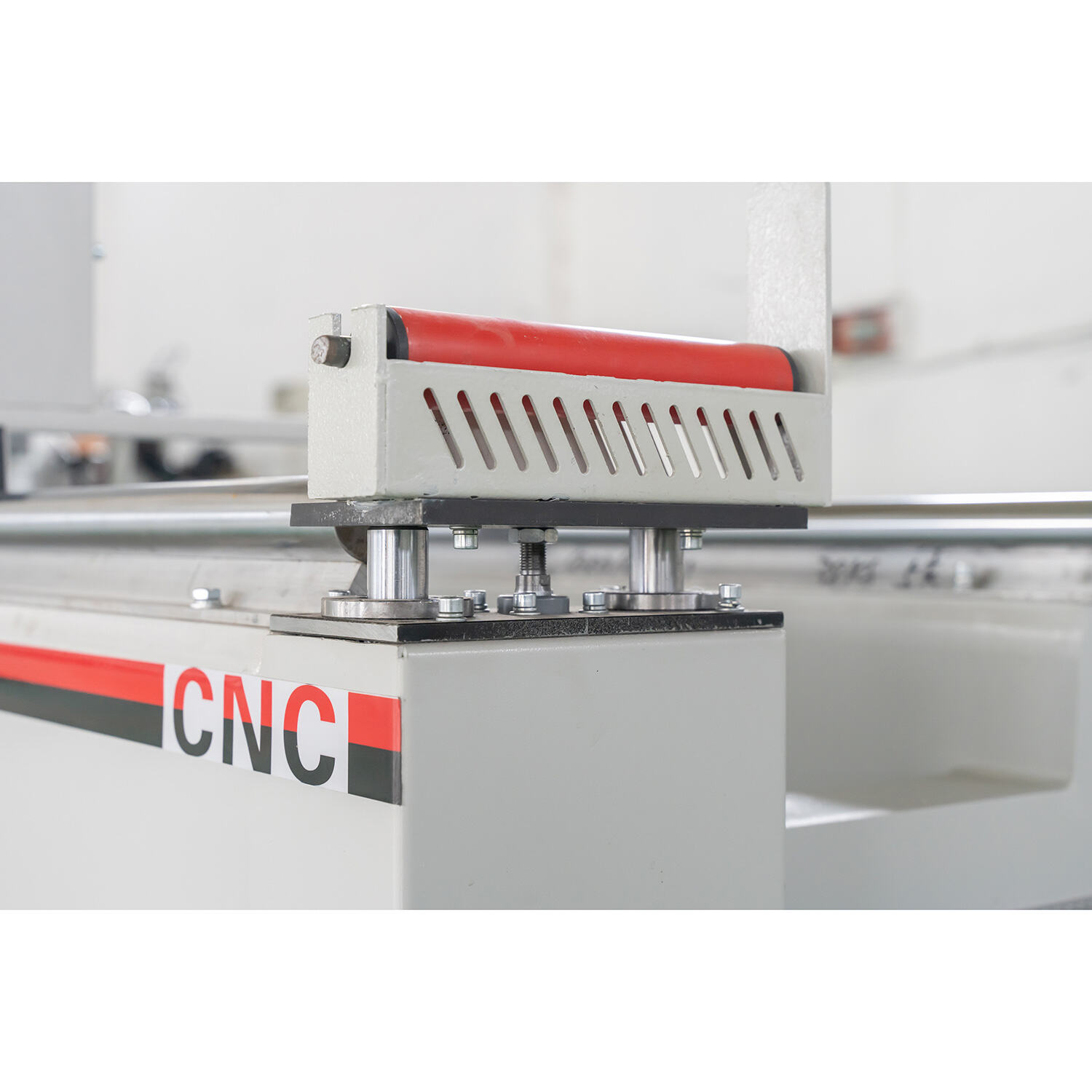
Why Inline Glazing Bead Inspection Is Critical for Precision Saw Manufacturers
The folks who make precision saws are getting hammered these days to get rid of those pesky dimensional errors in their glazing bead production. What's the big deal? Well, these little beads hold the glass panes in place inside window frames, and they need to be spot on. Even tiny deviations matter a lot - we're talking about differences as small as half a millimeter can wreck the whole structural integrity and mess up the weather sealing. Most traditional methods rely on checking for defects after the cut, which means faulty beads often make it all the way through production before anyone notices. This leads to serious headaches for manufacturers with rework rates sometimes going over 15% and tons of wasted materials. When companies integrate inline inspection right into their cutting processes though, things change dramatically. The system checks dimensions in real time while the saw is actually moving across the material. Automated systems catch problems like chips or uneven surfaces instantly. And here's where it gets interesting: closed loop feedback automatically tweaks blade speeds and feed rates based on what it finds, slashing scrap rates by around 30% in many cases. Skip this kind of built-in measurement tech during profile cutting, and manufacturers end up facing expensive recalls due to failed window seals, not to mention losing customer confidence down the road.
How Inline Glazing Bead Inspection Synchronizes with Cutting Saw Operations
Real-time dimension verification during saw traversal
Inline glazing bead inspection systems check dimensions continuously as materials move through the cutting saws. These systems use laser profilometers to measure both width and height with an accuracy of plus or minus 0.1 mm while the material is still feeding through. When there's any deviation beyond what's been set as acceptable, the system makes adjustments right away. Real time checking stops these small errors from getting worse further along the production line, which is really important for keeping those miters and joints looking good in window and door systems. Checking specs while the material travels through actually saves manufacturers a lot of headaches later on. They don't have to do all that extra work after cutting, and studies show this approach can cut down on wasted material by around 23 percent.
3D bead inspection at the cut point for geometric fidelity
Laser triangulation based 3D scanning grabs all the details of the bead's shape right before the blade touches it. These systems have six axis sensors that check out the surface for any problems like warping, twisting, or weird shapes that would mess up the weather seal. The whole point of this geometry check is to make sure cuts happen only when everything looks good according to those tight angle and curve requirements. Some setups can do full 360 degree checks across every part of the material. This means nothing gets missed during inspections, and production keeps moving fast at over 45 meters per minute without slowing down. At the same time, they still manage to keep those cuts super accurate.
Interoperable software and hardware integration for seamless workflow continuity
Getting the inspection modules to work smoothly with cutting saws depends on having everything controlled from one central system. With open API setups, we can send measurement data back and forth in real time so when dimensions change, the blade speed, how fast the material moves through, and even the clamping pressure all get adjusted automatically. The whole system reacts pretty quickly too – usually making changes within half a second after spotting something wrong. Manufacturers love the modular hardware approach because sensors can just be mounted right onto the saw carriages. This creates one integrated system that keeps things moving without interruptions. Most plants report around 99.4% uptime when running these systems at full capacity, which makes a big difference in productivity numbers for large scale operations.
From Detection to Action: Closed-Loop Quality Control in Bead Cutting
Achieving consistent precision in glazing bead production demands more than defect identification—it requires immediate corrective action. Inline glazing bead inspection systems enable this through closed-loop control, where quality data directly drives machining adjustments without human intervention.
AI-powered defect detection (cracks, chips, scratches, surface inconsistencies)
Vision systems now capable of scanning beads as they're being cut rely on deep learning to spot those tiny defects that slip past regular inspection methods. The AI behind these systems can actually pick out hairline cracks smaller than 0.1 millimeters, along with chips forming at cut edges, surface scratches we often miss with the naked eye, and even subtle shape irregularities. What's impressive is how accurate these models have become, hitting around 99.7% detection rates according to manufacturer specs. Traditional quality checks only sample parts randomly, but these systems check every single item as it moves through production. This comprehensive approach stops problems from getting worse further down the line, which has been shown to cut waste by approximately 25% in facilities running large volumes day after day.
Automated feedback-driven adjustments to saw parameters and feed rates
The system jumps into action as soon as it spots any defects, sending immediate instructions to the cutting equipment so it can fix itself. Things like blade speed, how fast material moves through, and the pressure holding everything in place all shift automatically when there's something off about the shape of the bead. Take thermal expansion for instance. When parts get wider because they heat up during processing, the cutting machine actually slows down or speeds up while still making the cut. This kind of instant coordination keeps everything within really tight specs - around plus or minus 0.05 millimeters accuracy. And best of all, nobody has to stop what they're doing to tweak settings manually anymore. Factories report seeing their production output go up roughly 30 percent after implementing this technology.
| Control Parameter | Adjustment Trigger | Quality Outcome |
|---|---|---|
| Blade RPM | Chip detection | Cleaner cuts |
| Feed rate | Width deviation | Consistent profiles |
| Downforce | Surface scratch | Reduced rework |
The closed-loop workflow transforms quality management from reactive inspection to proactive prevention, ensuring every bead meets exact specifications as it moves to assembly.
FAQ
Why is inline glazing bead inspection critical for precision saw manufacturers?
Inline glazing bead inspection is crucial because it ensures accuracy in the bead dimensions which is essential for maintaining the structural integrity and proper weather sealing of window frames. It helps reduce waste and rework rates, saving costs and improving production efficiency.
How does inline inspection benefit the production process?
Inline inspection benefits the production process by providing real-time feedback, allowing immediate adjustments to be made during the cutting process. This reduces material waste, minimizes errors, and enhances overall product quality.
What role does AI play in defect detection during bead cutting?
AI plays a significant role by utilizing deep learning to identify defects such as cracks, chips, and surface inconsistencies during bead cutting. It ensures a high detection rate, improving overall quality control and reducing waste.
How does closed-loop quality control improve manufacturing processes?
Closed-loop quality control improves manufacturing processes by using real-time data to drive automatic adjustments in cutting machinery. This method increases precision, reduces the need for manual interventions, and enhances production output.