 EN
EN

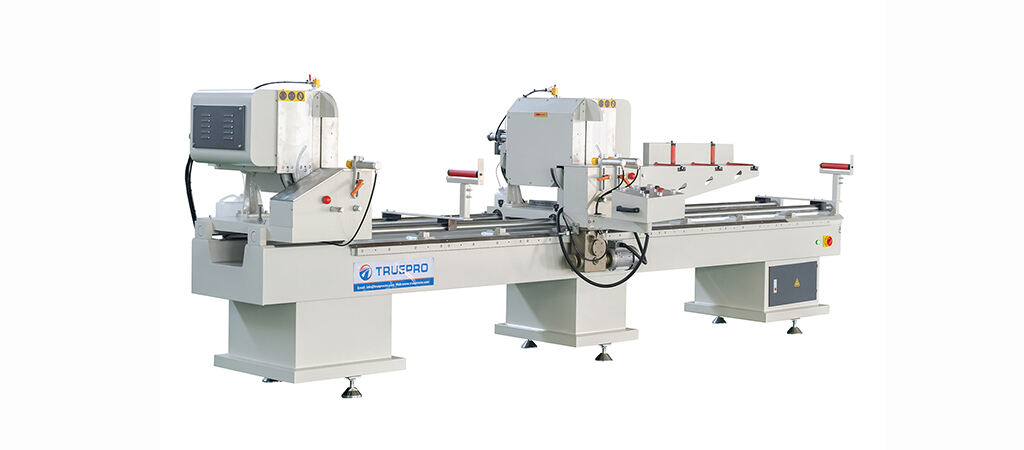
The Core Challenge: Why Aluminum Window Machine Upgrade Pricing Lacks Standardization
Root Cause: Fragmented OEM Support, Legacy Integration Risks, and Absent Energy-Performance Benchmarks
Three systemic issues perpetuate uneven aluminum window machine upgrade pricing:
- Fragmented original equipment manufacturer (OEM) support, where inconsistent technical documentation and proprietary protocols obstruct third-party retrofits
- Legacy integration risks from aging control systems that lack cybersecurity safeguards or compatibility with modern IoT sensors
- Absent thermal performance benchmarks for energy-saving modules—such as thermal breaks or gas-filled calibration units—preventing objective, data-driven ROI comparisons
These gaps leave fabricators without standardized cost/performance metrics to evaluate modernization options confidently.
Impact: How Pricing Ambiguity Leads to Fabricator Overpayment or Underinvestment in Efficiency Gains
Ambiguous pricing structures create two costly outcomes:
- Overpayment for minor retrofits—e.g., $18k—$25k PLC upgrades delivering <10% energy efficiency gains
- Underinvestment in high-impact upgrades like servo-driven welders, where avoiding a $52k retrofit forfeits 23% lifecycle energy savings
This uncertainty distorts fair valuation for machinery modernization and often pushes fabricators toward premature full replacements—even when viable, lower-risk retrofits exist.
A Fair Framework: Lifecycle Cost Analysis for Aluminum Window Machine Upgrade Pricing
TCO Breakdown: Quantifying Downtime, Energy Savings, and Validation Costs in Retrofit Scenarios
Traditional price comparisons ignore critical Total Cost of Ownership (TCO) factors. Fabricators must account for:
- Production downtime: Retrofits typically require 3–5 days versus 2+ weeks for full replacements
- Energy savings: Verified simulations show 12–15% annual energy reduction post-upgrade (NFRC 2024)
- Validation costs: Third-party testing and compliance certifications add 7–10% to retrofit budgets
Integrating these elements into decision-making prevents underinvestment in high-efficiency retrofits and supports capital discipline.
Real-World Benchmark: German OEM’s Tiered Upgrade Path — Validated ROI Across Thermal Break & Gas-Fill Calibration Modules
A leading European manufacturer demonstrated scalable ROI through modular, phased retrofits:
- Thermal break systems ($18k), delivering an 18% energy reduction
- Automated gas-fill calibration ($12k), reducing material waste by 9%
Each stage achieved payback in under 14 months; the full-system upgrade delivered 29% operational cost savings versus new machinery—proving tiered investments maximize capital efficiency while preserving production continuity.
Energy-Efficiency Premiums: Pricing Thermally Broken Upgrades vs. Full Replacement
UL-Certified Data: 18.7% Cycle Energy Reduction Justifies 29–41% Retrofit Kit Premium
Upgrading thermal breaks sits somewhere between simple repairs and going all-in on brand new equipment. Tests done by Underwriters Laboratories show these retrofit kits cut down on energy used during cycles by about 18.7%. Most of this improvement comes from better insulation properties and reduced heat transfer across joints. The numbers check out, so paying extra for these upgrades makes sense. Standard components typically cost around 29 to 41 percent less than these upgraded versions. But when manufacturers consider what happens with old equipment - the time lost during replacements, the big upfront costs, plus the environmental impact of manufacturing entirely new systems - the investment starts looking pretty reasonable for long-term savings.
Actionable Pricing Guidelines for Fabricators and Distributors
When setting prices for upgrading aluminum window machines, create tiers based on how complex the retrofit work actually is, what kind of energy savings we can verify, and the real return on investment numbers. We should back up those premium price ranges (typically around 29 to 41 percent) with solid data from thermal break tests and gas fill calibrations that have passed UL and NFRC standards. The system needs to factor in current production speeds and local electricity rates so pricing stays relevant as conditions change over time. And here's something important not to skip: before making any decision, do a full lifecycle cost comparison between fixing existing equipment versus buying new ones. This helps organizations see where their money goes today while still keeping an eye on what happens months or even years down the road regarding both operations costs and environmental impact.
FAQ Section
Why is there a lack of standardization in aluminum window machine upgrade pricing?
The lack of standardization stems from fragmented OEM support, legacy integration risks, and absent energy-performance benchmarks. These factors create inconsistencies in pricing and evaluation of modernization options.
How does pricing ambiguity affect fabricators?
Pricing ambiguity can lead to overpayment for minor upgrades or underinvestment in high-impact upgrades. This distorts fair valuation and may push fabricators toward premature replacements.
What should fabricators consider when evaluating upgrade pricing?
Fabricators should consider Total Cost of Ownership factors like production downtime, energy savings, and validation costs for retrofits. Comparing these elements can prevent underinvestment and encourage capital discipline.
Table of Contents
- The Core Challenge: Why Aluminum Window Machine Upgrade Pricing Lacks Standardization
- A Fair Framework: Lifecycle Cost Analysis for Aluminum Window Machine Upgrade Pricing
- Energy-Efficiency Premiums: Pricing Thermally Broken Upgrades vs. Full Replacement
- Actionable Pricing Guidelines for Fabricators and Distributors
- FAQ Section