 EN
EN

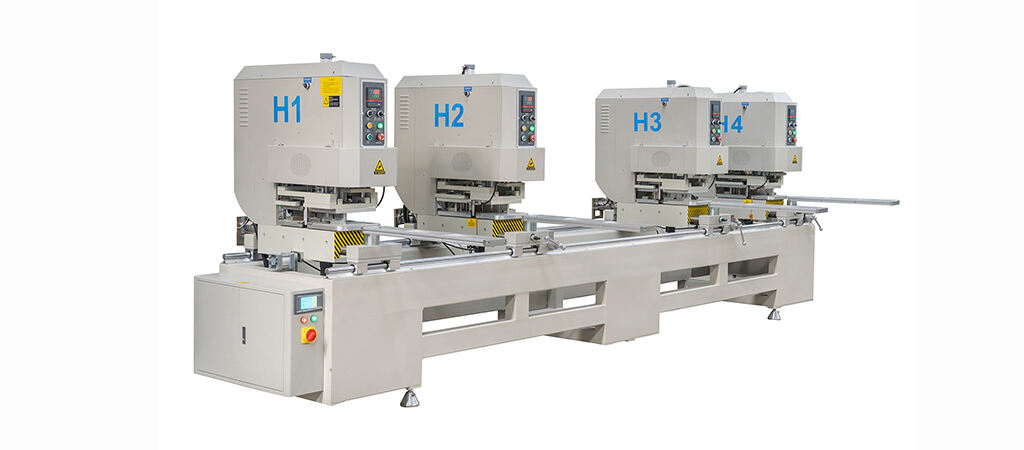
Implement SMED for Window-Door Machine Quick Changeover
Why SMED Is Critical for Flexible Fenestration Production
When manufacturers need to switch between different window and door profiles, long changeover times really eat into their productivity. Industry numbers suggest these inefficient transitions cost around 15 to maybe even 20 percent of annual production time in fenestration operations according to recent data from trade reports. The SMED approach helps tackle this problem by turning those internal adjustments that require stopping machines into prep work that can happen while the equipment is still running. For companies dealing with flexible fenestration production where aluminum and PVC profiles differ so much between product lines, this method makes all the difference in getting setups done quickly and reliably. Manufacturing lines that handle multiple product families report job transitions happening about 45% faster after implementing SMED techniques. This cuts down on bottlenecks during switches from casement windows to sliding doors for instance, which also allows factories to work with smaller batches and respond more effectively to just-in-time manufacturing demands.
The Five-Step SMED Framework: Separate, Convert, Streamline, Standardize, Sustain
Implementing SMED for aluminum window machinery follows a systematic, proven approach:
- Separate internal/external tasks: Distinguish actions requiring machine stoppage (e.g., die replacement, tool calibration) from those that can be done while running (e.g., pre-staging profiles, verifying jigs).
- Convert internal tasks: Shift as many setup steps as possible externally–using profile-specific jigs, pre-calibrated cutting heads, and digital SOPs accessible during runtime.
- Streamline operations: Replace manual adjustments with quick-change clamps, tapered locating pins, and hydraulic tool holders that enable sub-30-second swaps.
- Standardize procedures: Embed visual work instructions–including QR-linked video demonstrations–into digital SOPs validated by cross-trained operators across shifts.
- Sustain improvements: Track total setup time weekly via real-time dashboards, analyze internal/external task splits, and refine using frontline operator feedback.
This framework reduces door-to-window transition times to under 10 minutes in 74% of implementations–delivering measurable gains in line utilization and flexibility.
Externalize Setup Tasks to Minimize Downtime in Multi-Product Lines
Identify and Shift Internal Tasks: Pre-Staged Tooling, Digital SOPs, and Profile-Specific Jigs
Manufacturers lose around $740,000 each year because of downtime when switching products according to Ponemon's 2023 report. That's why moving work outside regular production hours has become much more than just saving time on the factory floor. The basic idea behind this approach isn't complicated at all. Instead of stopping machines completely for setup tasks inside the production line, these same preparations can happen externally while equipment continues running normally. Window and door makers especially benefit from this strategy since their machinery often needs frequent adjustments between different panel sizes and styles. Three proven techniques consistently help streamline these changes without sacrificing quality or speed across the shop floor.
- Pre-staged tooling systems, where cutting heads, dies, and fixtures are calibrated and verified offline before the changeover begins;
- Digital SOPs displayed on shop-floor tablets, enabling operators to review alignment sequences and torque specs without interrupting production;
- Profile-specific jigs, pre-positioned at dedicated changeover stations, eliminating on-machine alignment checks and measurement delays.
Together, these practices reduce effective downtime by 45% on multi-product window-door automation lines. Operators switch between PVC and aluminum profiles without stopping machinery for adjustments–maintaining continuous material flow. Real-time verification via QR-scanned checklists further prevents errors during rapid transitions between product families.
Optimize Internal Setup with Quick-Change Mechanisms and Poka-Yoke Verification
Standardized Quick-Change Tool Holders and Self-Aligning Fixtures
Quick change tool holders that are standardized along with self aligning fixtures can slash internal setup times anywhere from 45 to 60 percent on fenestration production lines. The systems typically feature those tapered locating pins combined with hydraulic clamping mechanisms which allow complete tool changes in just under half a minute flat no need for measuring manually or trying different positions until it fits right. When it comes to self aligning fixtures, they actually have these Poka Yoke features built in mistake proofing stuff really helps out. Things like asymmetrical pockets and those super precise tapered guides make sure components get loaded correctly when switching between windows and doors. What this does is eliminate all those frustrating rework cycles and time wasting adjustments while keeping everything aligned within plus or minus 0.1 mm tolerance. Real world data shows manufacturers experiencing around 70% reduction in alignment problems, making setups faster and more consistent across different product ranges. And as a bonus, plant utilization rates jump upwards of 15 to 20% even when running mixed production schedules.
Real-Time Poka-Yoke Sensors for Error-Proof Die Positioning in Window-Door Transitions
Modern Poka Yoke systems use laser alignment sensors along with proximity switches to check where dies are positioned right before any machining starts. This helps get things right on the first try when making those transitions between windows and doors. The monitoring systems catch important problems almost instantly. They spot issues like angles going off track more than half a degree or tools placed incorrectly, all within milliseconds. When these sensors work together with the machine's control system, they stop the whole process automatically and show warning lights whenever something goes beyond acceptable limits. This stops bad parts from being made and saves time spent fixing mistakes later. Factories report around 90 percent fewer defects during changeovers, plus what used to take minutes now happens in just seconds. On window door machines that need frequent changes, this kind of automatic checking makes sure everything runs reliably even at high speeds. Setup validation times drop about 40 percent compared to old fashioned manual inspections.
Standardize, Train, and Measure for Continuous Improvement in Window Door Machine Quick Changeover
Visual and Video-Augmented SOPs Validated by Cross-Trained Operators
Visual work instructions with QR codes linking to video demos help cut down on mistakes when switching from windows to doors by showing exactly how things should look in practice rather than just describing them. These standard operating procedures aren't created behind closed doors either. Operators who know multiple jobs test them out on real equipment, pointing out where the written steps don't match what actually happens with tools getting aligned properly, clamps moving in sequence, or those safety locks engaging at the right time. If someone notices something off between what the video shows and what they see on the machine, they report it right away so we can fix the documentation. This back and forth makes learning new setups go much faster for everyone involved. We've seen training times drop around 40% since implementing this system. Plus, workers from different shifts and with varying skills all follow the same process regardless of whether they're working on Model A or Model B products.
OEE-Based Changeover Metrics: Tracking Total Cycle Time, Internal/External Split, and First-Pass Success Rate
Quantifying changeover performance requires tracking three OEE-linked metrics aligned to operational reality:
- Total elapsed setup time (target: <15 minutes), measured from last good part to first good part;
- Internal/external task split (goal: >80% externalized), tracked to identify persistent stoppage drivers;
- First-pass success rate (aim: ≥95%), measuring whether the setup produces conforming parts without adjustment or rework.
Dashboards that update in real time can spot those annoying recurring problems like when die calibration takes forever or when materials aren't verified consistently. This helps teams focus their kaizen efforts where they're needed most. Take for instance what happens when there's a sudden jump in first pass failures while switching from vinyl to fiberglass parts. Usually this means tools are wearing out or operators need better training rather than something wrong with the whole process itself. Looking at these numbers every month leads to actual improvements over time. Setup phases get shorter by fractions of seconds here and there, which adds up. And gradually, this builds a workplace culture where people constantly look for ways to make things better based on what the data actually shows instead of just guessing.
FAQ Section
What is SMED and why is it important for fenestration production?
SMED, or Single Minute Exchange of Die, is a method to reduce the time spent switching between tasks or products in production lines. It is crucial for fenestration production to increase productivity by reducing the downtime between the switch of different window and door profiles, thus optimizing the production cycle.
How can externalizing setup tasks minimize downtime?
Externalizing setup tasks allows necessary adjustments to be prepared outside of machine runtime, minimizing downtime by ensuring that changeovers happen swiftly and without halting production lines unnecessarily.
What role do quick-change mechanisms and Poka-Yoke verification play in setup optimization?
Quick-change mechanisms and Poka-Yoke verification drastically reduce setup times by ensuring tools are positioned accurately the first time, thus eliminating error-prone manual adjustments, leading to fewer defects and improving productivity.
Table of Contents
- Implement SMED for Window-Door Machine Quick Changeover
- Externalize Setup Tasks to Minimize Downtime in Multi-Product Lines
- Optimize Internal Setup with Quick-Change Mechanisms and Poka-Yoke Verification
- Standardize, Train, and Measure for Continuous Improvement in Window Door Machine Quick Changeover