 EN
EN

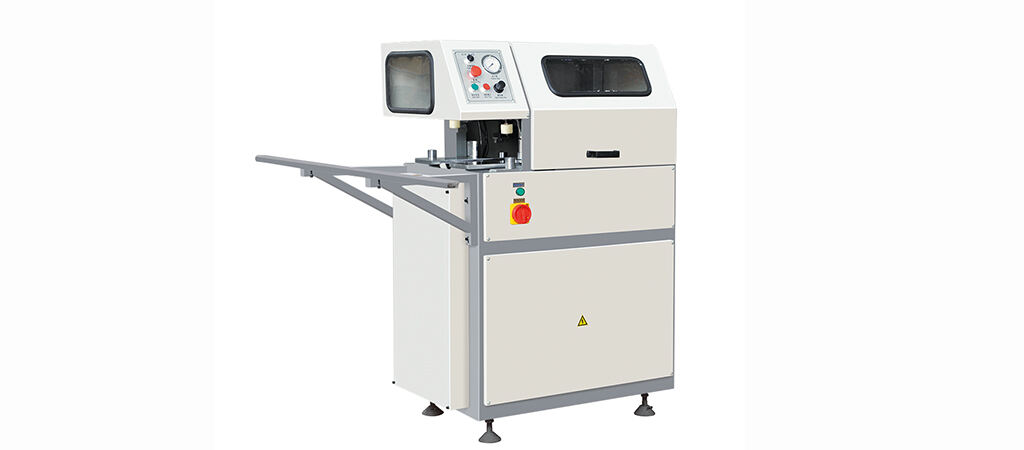
Compact Aluminium Bending Line Design for High-Throughput Fenestration Manufacturing
Spatial Optimization: Modular Integration of Servo-Electric Press Brakes
The new modular servo electric press brakes are taking the place of those big old hydraulic systems, cutting down on space requirements by about 40% without sacrificing any power output. When companies ditch those heavy duty hydraulic tanks and all that piping, they actually free up around 15 to maybe even 20% of factory floor real estate that used to be taken up by extra equipment. What makes these machines really stand out is their plug and play design. A whole production line can be completely reconfigured within just four hours or so, which is exactly what manufacturers need when dealing with complex window and door production runs where frequent changes are the norm. These systems deliver bending accuracy within half a degree and use roughly half as much energy per operation compared to traditional methods according to recent industry reports. Plus, there's no need for those tedious post bending adjustments that previously ate away at about 12% of production time.
Case Study: 37% Floor Space Reduction and 22% Improved Takt Time Consistency
A leading fenestration manufacturer deployed this compact aluminum bending line design across three European plants, achieving measurable gains:
| Performance Metric | Improvement |
|---|---|
| Production Floor Space | 37% Reduction |
| Takt Time Consistency | 22% Improvement |
| Changeover Duration | 68% Faster |
The company managed to combine six separate stations into one big 18 meter cell by employing modular bending machines and robots that move parts around automatically. This setup allowed them to produce over 350 units each day but only needed half the space they originally had. When it comes to waste reduction, their real time CNC system compensates for when materials bounce back after being shaped, cutting down scrap by almost 20%. Plus, those collaborative robots keep everything running smoothly even when workers need to adjust tools or make changes to the machinery.
Energy-Efficient Operation That Sustains Throughput
IE4/IE5 Motors and AI-Powered Energy Management in Bending Cycles
When IE4 or IE5 high efficiency motors work together with artificial intelligence based energy management systems, factories can save between 15 to 30 percent on their electricity bills while still keeping production rates up. These systems are way better than traditional hydraulic setups because they completely get rid of those pesky fluid power losses and slash idle consumption by around 40 to 60 percent. Smart algorithms adjust motor power based on how thick the materials being worked on actually are, and also fine tune the slowing down process so things don't get too hot and mess up measurements. What this means in practice is consistent output rates well over 120 bends per hour. The system keeps track of energy usage during each bending cycle in real time, which helps spot problems like parts sitting too long in certain positions before someone needs to fix them. According to data from the US Department of Energy released last year, companies implementing these technologies typically see annual savings of about eighteen thousand dollars per production line. Plus, these efficient systems fit into compact spaces, making them ideal for today's window and door manufacturing operations where floor space matters just as much as productivity.
Smart Automation: CNC, Robotics, and Real-Time Compensation for Small-Footprint Precision
Collaborative Robot-Assisted Handling and Adaptive CNC Bend Compensation
Collaborative robots (cobots) handle profile loading and unloading directly into CNC press brakes—eliminating manual transfers and shrinking workstation footprints by up to 40%. Operating safely alongside technicians, cobots maintain throughput while maximizing spatial efficiency.
These days, advanced CNC systems come with built-in real time adaptive bend compensation features. The machines have all sorts of sensors watching out for things like springback effects, changes in temperature, and how much the tools are bending while they work. Smart computer programs then tweak the ram positions and pressure settings on the fly. Some studies from manufacturing facilities show that this kind of feedback system cuts down on size errors about half compared to old fashioned static programming methods. What's really nice is getting those super accurate measurements at the micron level without needing bigger machines taking up shop floor space. For companies making window frames in mass quantities, maintaining those exact specifications becomes possible even when producing tens of thousands of components every single day.
Lean Process Integration via Digital Twin and Closed-Loop Quality Control
Digital Twin—Guided Layout Simulation and Yield Loss Reduction
Manufacturers can now test out their compact aluminum bending line setups using digital twin tech before actually installing anything on site. This approach saves money because it cuts down on all that expensive trial and error while getting the equipment positioned just right for efficient window bending operations. According to various industrial automation reports, companies see around a 20% reduction in wasted motion when they implement these virtual models. The closed loop quality system keeps things running smoothly too, constantly checking actual production numbers against what the digital model predicted should happen. If something goes off track - maybe there's unexpected springback or tools start wearing down - artificial intelligence steps in and tweaks the CNC machine settings on the fly so defects don't spread through the batch. For makers of precision windows and doors, this whole package typically brings scrap levels down between 15 to 30 percent. Less waste means fewer bottlenecks at workstations and a much steadier rhythm across the entire production floor.
| Digital Twin Function | Impact on Lean Metrics | Yield Improvement |
|---|---|---|
| Virtual layout simulation | 27% fewer material handling motions | 8% waste reduction |
| Real-time deviation detection | 42% faster error correction | 15% scrap avoidance |
| Predictive parameter adjustment | 22% fewer machine stoppages | 11% rework decrease |
FAQ Section
What are the main benefits of using modular servo electric press brakes over traditional hydraulic systems?
Modular servo electric press brakes save about 40% space and reduce energy consumption by half compared to hydraulic systems. They allow for quick reconfiguration and eliminate the need for post bending adjustments.
How does the compact aluminum bending line improve efficiency in manufacturing?
This design consolidates multiple stations into a single cell, reduces floor space usage, and integrates robots for automatic part movement, leading to increased production rates and reduced waste.
What role do IE4/IE5 motors and AI play in energy savings?
IE4/IE5 motors and AI-powered systems reduce electricity costs by 15-30% and cut idle consumption significantly. AI helps in adjusting power usage according to material thickness, ensuring consistent output at high speeds.
How do collaborative robots and adaptive CNC systems enhance production?
Collaborative robots streamline loading and unloading processes, reducing workstation space. Adaptive CNC systems provide real-time corrections, enhancing precision and reducing size errors without increasing space requirements.
What is a digital twin, and how does it improve manufacturing?
A digital twin simulates the production setup virtually, minimizing setup errors and optimizing the layout. It helps detect deviations in real-time, reducing waste and maintaining consistent quality production.
Table of Contents
- Compact Aluminium Bending Line Design for High-Throughput Fenestration Manufacturing
- Energy-Efficient Operation That Sustains Throughput
- Smart Automation: CNC, Robotics, and Real-Time Compensation for Small-Footprint Precision
- Lean Process Integration via Digital Twin and Closed-Loop Quality Control
-
FAQ Section
- What are the main benefits of using modular servo electric press brakes over traditional hydraulic systems?
- How does the compact aluminum bending line improve efficiency in manufacturing?
- What role do IE4/IE5 motors and AI play in energy savings?
- How do collaborative robots and adaptive CNC systems enhance production?
- What is a digital twin, and how does it improve manufacturing?