 EN
EN

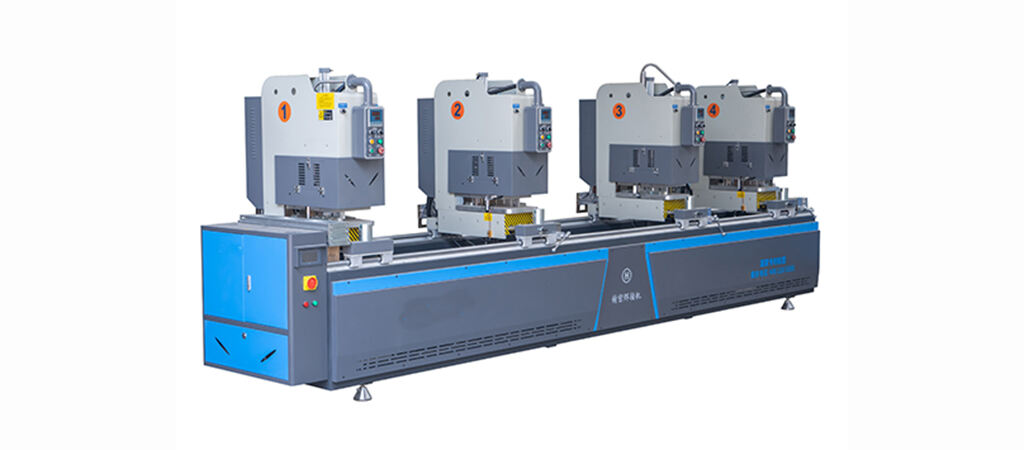
Why Digital Twin Validation Is Critical for Custom Window Machine Development
Making custom windows requires really precise machinery when working with special materials and unique shapes. The old way of building prototypes first often leads to expensive setbacks and wasted time. When companies need to check out parts like sealing heads or thermal forming units, they usually go through several rounds of testing. Each round takes around six to eight weeks based on what most manufacturers report. Digital twin technology changes all that by letting engineers simulate how these parts will actually perform before any physical components are built. With physics models, teams can stress test high speed actuators, figure out when cutting blades might wear down after constant use, and make sure materials move properly through the system. What does this mean? For many shops, it cuts development expenses by almost half and gets products onto shelves much faster than before.
When working with custom window machines that handle delicate triple glazed units or tricky vinyl composites, digital twins let manufacturers test those really tough scenarios without breaking anything. Think about things like what happens when there's a sudden drop in pressure during vacuum sealing or when materials experience thermal stress while cooling down quickly. According to Ponemon research from 2023, companies save around 740 thousand dollars on average by checking these tolerance limits and potential failure points digitally first. The process called virtual commissioning also helps refine control systems through something known as hardware-in-the-loop testing. This makes sure all the sensors react properly even when dealing with different material thicknesses. If builders skip this digital testing phase, they often end up facing real world problems because certain mechanical parts just don't work together as expected. That's why most serious production facilities now rely heavily on simulations before investing in actual equipment.
Core Components: Physics-Based Modeling, Real-Time Data Sync, and Multi-Domain Integration
Creating accurate digital twins for custom window manufacturing equipment depends on several key components working together. First there's physics-based modeling which basically recreates how different parts behave mechanically. Think about things like what happens when sealants get compressed or how frames might bend under pressure. This lets engineers predict performance issues before ever building a physical prototype. Real time data sync is another big piece of the puzzle. The digital twin gets fed continuous information from actual sensors installed on running machines. This means adjustments can happen while testing still takes place in the virtual world rather than waiting until everything breaks down in reality. Then we have multi domain integration where all the different systems come together in one place. Mechanical parts work alongside thermal properties and electrical components so we can see how they interact in practice. For instance, nobody wants their sealing mechanism affected by excessive motor heat after hours of operation. When all these aspects are properly integrated, companies end up with something really powerful: a testing ground that catches problems way earlier in development. Industry studies show this approach cuts down on expensive physical testing by around 40%, which makes a huge difference in project budgets.
Calibrating the Digital Twin Using Historical Machine Performance and Material Behavior Data
When we talk about calibration, what we're really doing is turning abstract models into something much closer to reality. The engineers working on this stuff look at all sorts of old data from actual window manufacturing equipment - things like how long cycles take, when machines tend to break down, and those maintenance records everyone keeps forgetting to update. They also need detailed information about materials because materials matter a lot. For instance, knowing exactly how certain sealants react when exposed to different levels of moisture or understanding why glass tends to develop tiny cracks after being handled repeatedly during production. Looking through all this historical information helps the simulation software figure out what might happen with brand new designs once they hit the factory floor. Most of the time, these simulations end up matching real world results pretty closely, maybe around 90-95% accurate depending on the specifics. Getting this right matters a great deal for anyone wanting to test their products properly before spending money on full scale production runs. Otherwise all those hours spent running virtual tests just become academic exercises with little connection to what actually happens in manufacturing plants.
Simulation-Based Validation of Mechanical Performance and Cycle Reliability
Digital twin validation accelerates custom window machine development by simulating mechanical stresses and lifecycle endurance before physical prototyping. This virtual approach identifies failure risks 80% faster than traditional methods while reducing validation costs by 35% (Industrial AI Journal 2023).
Dynamic Load Testing and Fatigue Prediction for High-Speed Window Sealing Mechanisms
Simulations based on physics principles help test how sealing parts handle all those repeated movements when they're running over 50 cycles every single minute. When we run these virtual tests for fatigue, we can actually see where the gaskets and hinges start showing signs of wear after being exposed to really harsh conditions. We're talking about temperatures ranging from minus 40 degrees Celsius right up to 85 degrees, plus all sorts of different pressure levels. What this does is stop seals from breaking down too early and keeps that compression force steady across the whole lifespan of the machine. Manufacturers save money and headaches because their equipment lasts longer without unexpected failures.
Accuracy Metrics: Correlating Simulation Outputs with Benchmark Physical Test Results
Validation depends on direct correlation between digital predictions and physical test data:
- Finite element analysis (FEA) strain models versus laser-measured displacement
- Simulated motor torque curves versus dynamometer readings
- Virtual fatigue failure points versus accelerated life testing results
Systems achieving >92% simulation-to-physical correlation demonstrate production readiness. This metric-driven approach reduces late-stage design changes by 60% compared to reliance on physical prototypes alone.
Virtual Commissioning and Edge-Case Scenario Testing for Deployment Readiness
Virtual commissioning makes it easier to get custom high performance window machines up and running because it allows thorough testing in a safe digital space. Manufacturers create digital twins of their equipment to run simulations and check out those tricky situations that don't happen often but could cause big problems if they did. Think about things like when materials get stuck or there's a sudden power spike these are scenarios that would be either too dangerous or just not feasible to recreate in real life. Testing all this ahead of time means fewer surprises once the machine is actually installed on site, which saves money that would otherwise go toward fixing issues after installation. When companies simulate how their machines react to unexpected humidity shifts, they spot weaknesses in seals long before production starts. According to recent research published in the Journal of Manufacturing Systems last year, this kind of virtual testing cuts down commissioning risks by around 40% compared with old school methods.Hardware-in-the-Loop (HIL) Integration to Validate Control Logic and Sensor Response
Hardware-in-the-loop (HIL) systems link actual controllers with their digital counterparts, setting up what engineers call a closed loop for testing purposes. When real PLCs work alongside sensors connected to virtual models of window assembly mechanisms, they check how control logic holds up when things get moving around dynamically. The approach helps spot those pesky timing issues that pop up during fast cutting operations or catch faulty sensor data when temperatures change rapidly. Simulations can even recreate situations where multiple motors fail at once, letting engineers see if safety protocols kick in properly before ever installing anything physically. According to recent industry reports from IEEE Transactions in 2024, companies adopting these simulation methods typically cut down on deployment time by about 30%, which makes all the difference in competitive manufacturing environments.
FAQs
What is a digital twin in custom window machine development?
A digital twin in custom window machine development is a virtual model that simulates the behavior and performance of manufacturing systems, components, and machines before physical prototypes are created.
How do digital twins reduce development costs?
Digital twins reduce development costs by allowing engineers to test and optimize machines virtually, identifying potential issues before physical prototyping, thus saving time and expenses related to material waste and labor.
What is virtual commissioning?
Virtual commissioning is a process where digital simulations are used to validate and refine manufacturing systems and machines, ensuring correct functionality and performance under different conditions before actual deployment.
How accurate are digital twin simulations compared to physical tests?
Digital twin simulations are highly accurate, often matching real-world results with 90-95% consistency, depending on the specifics of the models and historical data used for calibration.