 EN
EN

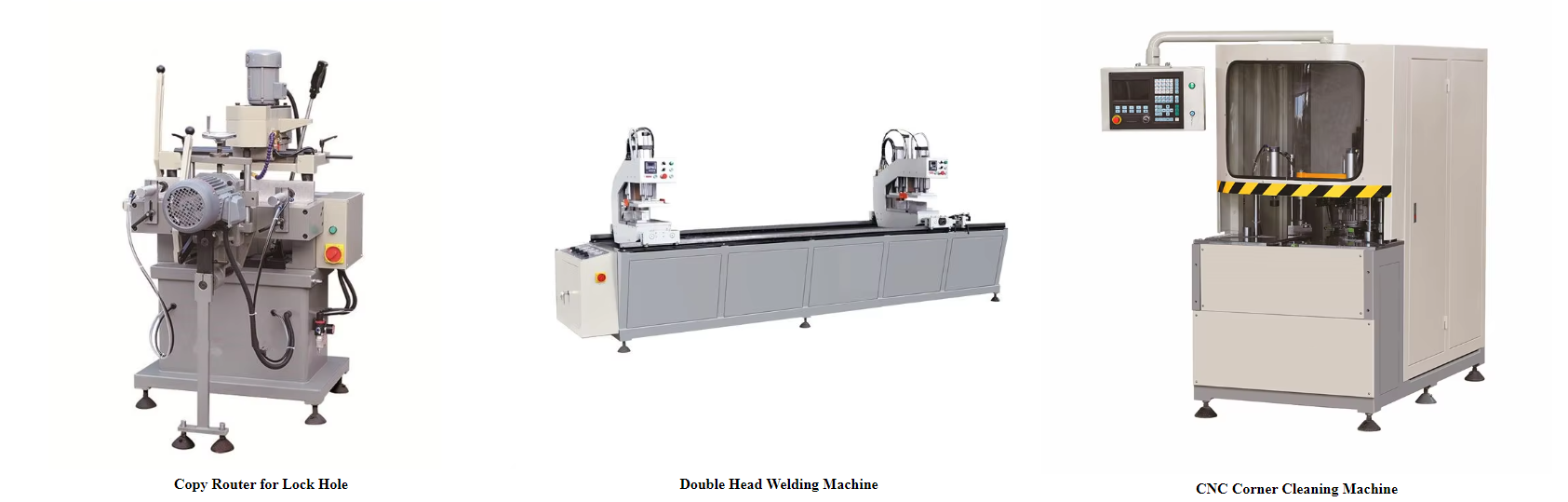
Why Window Machine After-Sales Service Is a Strategic Differentiator
After-sales service is no longer just something tacked onto window manufacturing deals it's become a make-or-break factor in winning business these days. Sure, good equipment matters when first buying machines, but what really keeps manufacturers coming back are suppliers who stand behind their products with solid service contracts. We've all seen the numbers from Ponemon Institute showing how much money gets lost during unplanned downtime over $700k an hour in some cases. That's why fast tech support and reliable spare parts delivery aren't just nice to have they're absolutely critical to staying profitable. The old way of thinking about vendors as just people selling equipment is changing fast. Companies now want partners who offer guaranteed response times, remote diagnostics capabilities, and regular maintenance checks. These proactive measures cut down on those expensive machine breakdowns and keep customers happy long term. When window production lines run smoothly because of consistent technical support, factories see real benefits better product quality, faster turnaround on orders, and lower overall costs. And let's face it, when manufacturers start seeing value beyond the initial sale, they tend to stick with suppliers who provide ongoing support through parts replacements and system upgrades. That turns commodity vendors into essential business partners overnight.
Core Pillars of Exceptional Window Machine After-Sales Service
Leading manufacturers differentiate their window machine after-sales service through three foundational pillars that directly reduce operational downtime.
Preventive Maintenance Programs Tailored to Production Cycles
Proactive maintenance aligned with seasonal demand and production cycles prevents 73% of mechanical failures (Reliability Solutions Journal 2023). Customized schedules that account for material changeovers and peak output periods extend equipment lifespan by 40% compared to reactive repair models.
SLA-Governed Technical Support with Guaranteed Response Times
Service Level Agreements (SLAs) with defined resolution windows—such as 4-hour remote diagnostics or 24-hour on-site support—reduce troubleshooting delays by 68%. This contractual commitment ensures spare parts logistics are synchronized with urgent repair timelines, enhancing accountability and responsiveness.
Standardized, Transparent Repair Protocols and Spare Parts Pricing
Open-access pricing catalogs and predefined repair workflows eliminate cost uncertainties during breakdowns. Facilities using standardized protocols report 31% faster mean-time-to-repair (MTTR) and 22% lower annual maintenance costs, streamlining decision-making under pressure.
Digital Innovation in Window Machine After-Sales Service
Digital technologies are transforming after-sales support from a reactive cost center into a strategic value driver. Suppliers leveraging IoT and cloud platforms enable next-generation service models that minimize downtime and boost efficiency.
Remote Diagnostics and Real-Time Machine Health Monitoring
Window fabrication machines now come equipped with IoT sensors that send all sorts of performance information up to secure cloud storage. This lets engineers check things out remotely instead of having to physically visit sites all the time. The sensors actually pick up when parts start drifting out of alignment or showing signs of wear long before anyone notices anything wrong. According to some research published last year, companies using these real time monitoring systems cut down on sending technicians out by about 40 percent since most problems (around seven out of ten) get fixed online without needing anyone onsite. Tech support staff watch everything unfold through interactive dashboards where they track pressure levels, motor temps, and how accurately cuts are being made. When something goes off track, they guide workers step by step using augmented reality tools right there at the machine. Having this constant view into what's happening means small problems don't turn into major shutdowns that cost money and delay production schedules.
Predictive Analytics for Proactive Downtime Prevention
Modern machine learning tools look at past performance data along with current sensor readings to spot potential component failures about 89 percent of the time. Take vibration analysis for instance it often catches problems with bearings as much as two weeks before they actually fail. When this happens, the system automatically orders replacement parts so they arrive just in time, avoiding unexpected shutdowns. Switching from regular maintenance schedules to fixing things only when needed has boosted equipment availability by around 25% in many facilities. The latest Window Tech report from 2024 shows plants that implement these predictive approaches typically see their yearly production jump by roughly 15% because they address issues before they become major headaches. Some of the most sophisticated platforms go even further by running different maintenance scenarios to figure out what spare parts to stock and where to send technicians for maximum efficiency.
Building Long-Term Partnerships Through Collaborative Support Models
Joint Operator Training and On-Site Technician Deployment
After sales relationships that last depend heavily on working together right from the start. When companies train operators side by side and send technicians to work onsite, things tend to go much smoother down the road. We've seen our customized training programs cut down machine errors by around 30% according to Industry Efficiency Quarterly back in 2024. The real value comes when workers actually understand how their equipment functions day to day in their particular factory setup. Having certified techs stationed at customer sites makes all the difference during those high pressure moments when something breaks down unexpectedly. These onsite engineers don't just fix problems as they happen either. They also set up regular maintenance routines, spot potential issues before they become major headaches, and keep sending us feedback so we can make improvements ourselves. This whole approach turns basic service calls into something deeper between manufacturer and user. Machines run longer without stopping, products come out consistently good, and everyone gets better at what they do together over time. And let's face it, nobody wants to deal with another vendor every time there's a problem anyway.
FAQ Section
Why is after-sales service important for window machine manufacturers?
After-sales service is crucial because it helps manufacturers minimize downtime, improve product quality, and maintain smooth operations. It also builds loyalty, turning suppliers into valued business partners.
How does preventive maintenance benefit production?
Preventive maintenance tailored to production cycles can prevent up to 73% of mechanical failures and extend equipment lifespan by up to 40%, ensuring smoother operations and reducing unexpected breakdowns.
What role does digital technology play in after-sales service?
Digital technology, including IoT and cloud platforms, transforms after-sales service by enabling remote diagnostics and real-time monitoring, leading to faster issue resolution and minimized downtime.
What is the importance of collaborative support models in after-sales service?
Collaborative support models, such as joint training and on-site deployment of technicians, foster a deeper relationship between manufacturers and suppliers, leading to more efficient operations and reduced machine errors.