 EN
EN

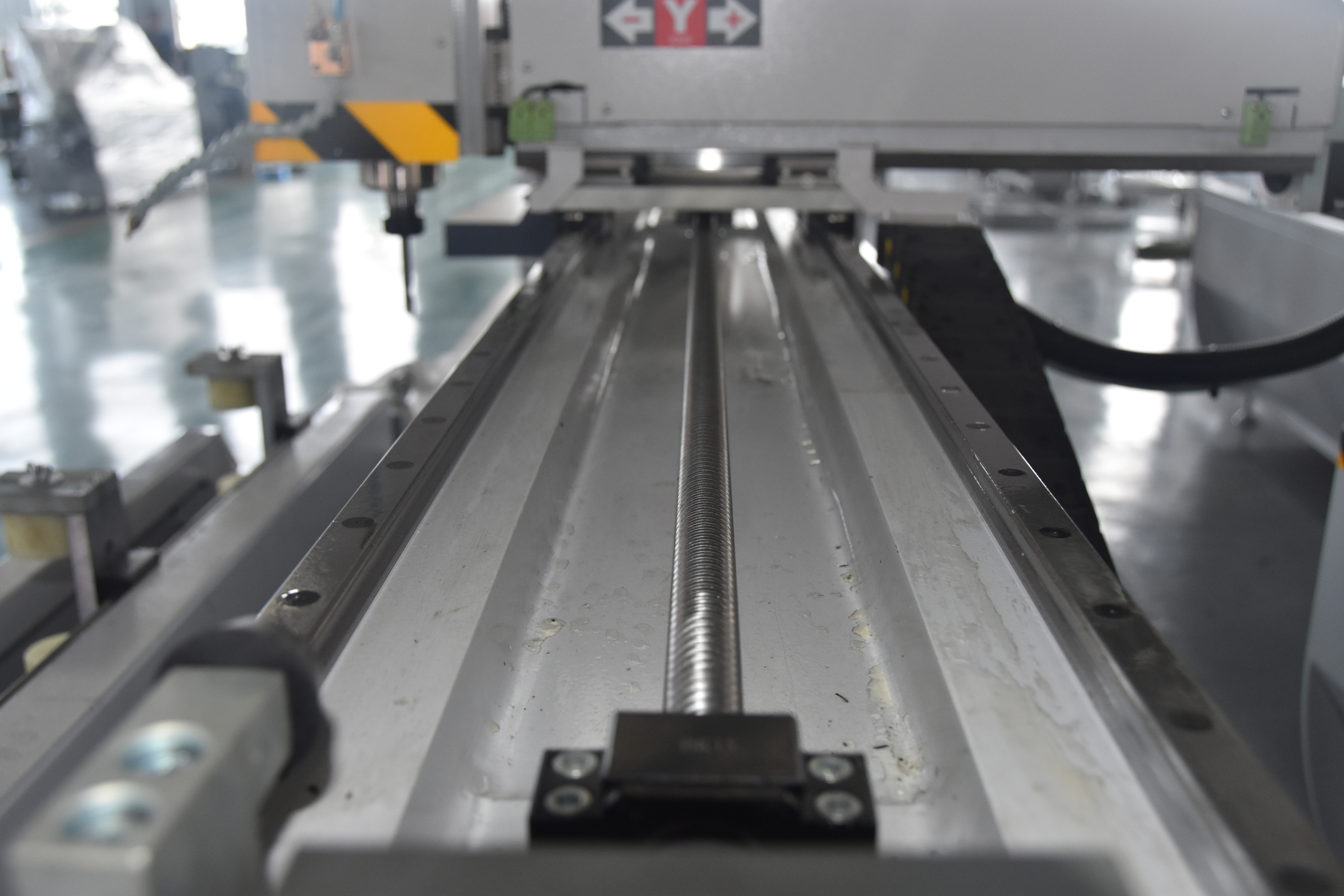
Why AR/VR Tools Transform Lock Hole Copy Router Maintenance Training
Woodworking shops are finding new ways to keep their lock hole copy routers running smoothly thanks to augmented reality and virtual reality tech. The old school methods just don't cut it when it comes to teaching how to line up those router bits properly or copy those intricate lock hole designs. With AR glasses, technicians can see digital blueprints right on top of the actual machines they're working on. This helps them calibrate everything down to the millimeter something that used to be a real headache for many shops because even small misalignments could cost thousands in wasted materials. Meanwhile VR headsets let apprentices get hands on experience with dangerous situations like fixing electrical problems or dealing with jammed machines all without putting anyone at risk. Shops that have adopted this combo approach see their new hires get up to speed about 40% quicker and there's roughly 30% fewer accidents during maintenance work based on recent industry reports from early 2024. What makes this so effective is that instead of reading dry manuals, workers actually interact with the equipment in a way that feels natural and lets them make mistakes safely first. For woodworkers who rely on precision tools day in and day out, this kind of training makes all the difference in keeping production lines moving.
Top AR/VR Tools for Lock Hole Copy Router Maintenance Training
Augmented Reality (AR) and Virtual Reality (VR) tools are redefining how woodworking technicians master lock hole copy router maintenance–minimizing costly downtime while accelerating skill development through immersive, risk-free practice.
AR-Guided Repair Platforms with Real-Time Visual Overlays
When working on lock hole copy routers during maintenance, AR headsets actually display those interactive diagrams and step by step guides right there in front of the technician's eyes. What happens next is pretty cool too. The techs can watch these moving images that point out exactly where to apply torque, show them the proper alignment spots, and even demonstrate how each part comes apart from the others. And guess what? Their hands stay completely free for actual work throughout all this. According to some research published in Industrial Maintenance Journal back in 2023, mistakes drop by about 47 percent when dealing with complicated take apart jobs using this method. Plus it lets experts who aren't physically present join in remotely through something called shared field of view annotations so they can mark things up as needed.
Immersive VR Simulators for Safe, Repetitive Technician Practice
Virtual reality training programs let people experience dangerous situations like when blades aren't properly calibrated, motors fail unexpectedly, or emergency shutdown procedures need activation all without any real world risks involved. Learners get hands on time with control devices that closely resemble what they'll actually handle in the field, and their progress gets measured through things like how quickly they respond and whether they follow proper steps. Research indicates that workers who go through VR based instruction reach full competency about two thirds quicker compared to old school methods, plus there are zero accidents reported during initial training phases according to industry reports from last year.
Digital Twin Integration for Predictive Maintenance Scenarios
Digital twin technology builds virtual models of lock hole copy routers that can simulate how parts wear down over time using actual usage data. When trainees work with these systems, they get hands on experience diagnosing issues like when bearings start to fail or spindles become misaligned. They learn what different vibrations mean and how temperature changes signal problems. The whole point is moving away from fixing things only when they break, toward knowing when maintenance will be needed before breakdowns happen. Studies show this approach actually makes equipment last about 22 percent longer in factories according to recent industry research.
Measurable Benefits: Accuracy, Speed, and Safety in Router Maintenance
Reducing Human Error Through Step-by-Step AR Procedures
When working on lock hole copy routers, augmented reality helps techs be much more accurate because it puts digital instructions right where they need them on the actual equipment. During calibration work, workers can see exactly where screws go, what torque settings to use, and how things should align without constantly checking paper manuals. This cuts down on mistakes quite a bit actually studies show around 47% fewer errors when using these systems. For complicated jobs such as replacing spindle bearings, the whole process turns into something that even newer technicians can handle properly since AR gives confirmation after each step is done correctly. The result? Everyone follows the same standards set by manufacturers regardless of their skill level, which means far less time wasted fixing problems caused by incorrect assembly.
Accelerating Onboarding with Immersive VR Training Modules
VR cuts down router maintenance training time quite a bit by letting trainees practice risky procedures in super realistic virtual environments. When learning how to tighten drive belts, swap out cutting bits, or handle emergency shutdown situations, they can mess up without real world consequences. The numbers speak for themselves too - techs who train with VR get up to speed about two thirds quicker than those sticking to traditional methods. Some fresh hires have even managed to service equipment on their own after only three VR training sessions, something that would normally take weeks watching someone else do it first. Companies save money this way since they don't need as many experienced workers around during training periods, all while still keeping things safe and compliant with regulations.
Implementing AR/VR Tools: Best Practices for Woodworking Factories
Integrating AR/VR into Existing LOTO and Compliance Protocols
Adding AR and VR tech to Lockout-Tagout (LOTO) safety procedures makes workplaces safer while keeping everyone compliant with regulations. With augmented reality, technicians get step-by-step visual guidance right on site when isolating energy sources. The system highlights important parts like disconnect switches, valves, and where to apply locks according to OSHA guidelines. Virtual reality takes training further by letting newcomers practice critical safety moves such as handling dangerous materials or shutting down power in emergencies without touching actual equipment. Companies report around a 40% drop in protocol mistakes after implementing these technologies because staff actually remember what they need to do through repeated exposure in realistic scenarios. Getting this right requires careful planning though, since proper implementation is key to realizing all these benefits.
- Align digital checklists with OSHA 1910.147 requirements
- Sync AR annotations with real-time equipment sensor feeds
- Automate compliance documentation via VR session logs
By 2025, 70% of leading manufacturers will deploy AR/VR-enhanced safety systems (Deloitte Industrial Tech Forecast, 2024), making early adoption a strategic imperative for competitive operations.
FAQ
What are the main benefits of using AR/VR tools in woodworking maintenance training?
AR/VR tools help reduce human error, accelerate skill development through immersive practice, and enhance safety during maintenance training. They provide real-time visual overlays and allow trainees to practice procedures in a risk-free environment.
How do AR-guided repair platforms enhance lock hole copy router maintenance?
AR-guided platforms provide interactive diagrams and step-by-step guides, reducing mistakes by approximately 47%. They allow technicians to see exact alignment spots and proper torque applications, improving accuracy during maintenance tasks.
How does digital twin technology contribute to predictive maintenance?
Digital twin technology creates virtual models that simulate part wear over time. This helps trainees diagnose issues, anticipate maintenance needs before failures occur, and extends equipment lifespan by about 22%.
What steps are recommended for integrating AR/VR into existing safety protocols?
Align digital checklists with OSHA requirements, sync AR annotations with equipment sensors, and automate compliance documentation via VR session logs to ensure effective integration into Lockout-Tagout procedures.