 EN
EN

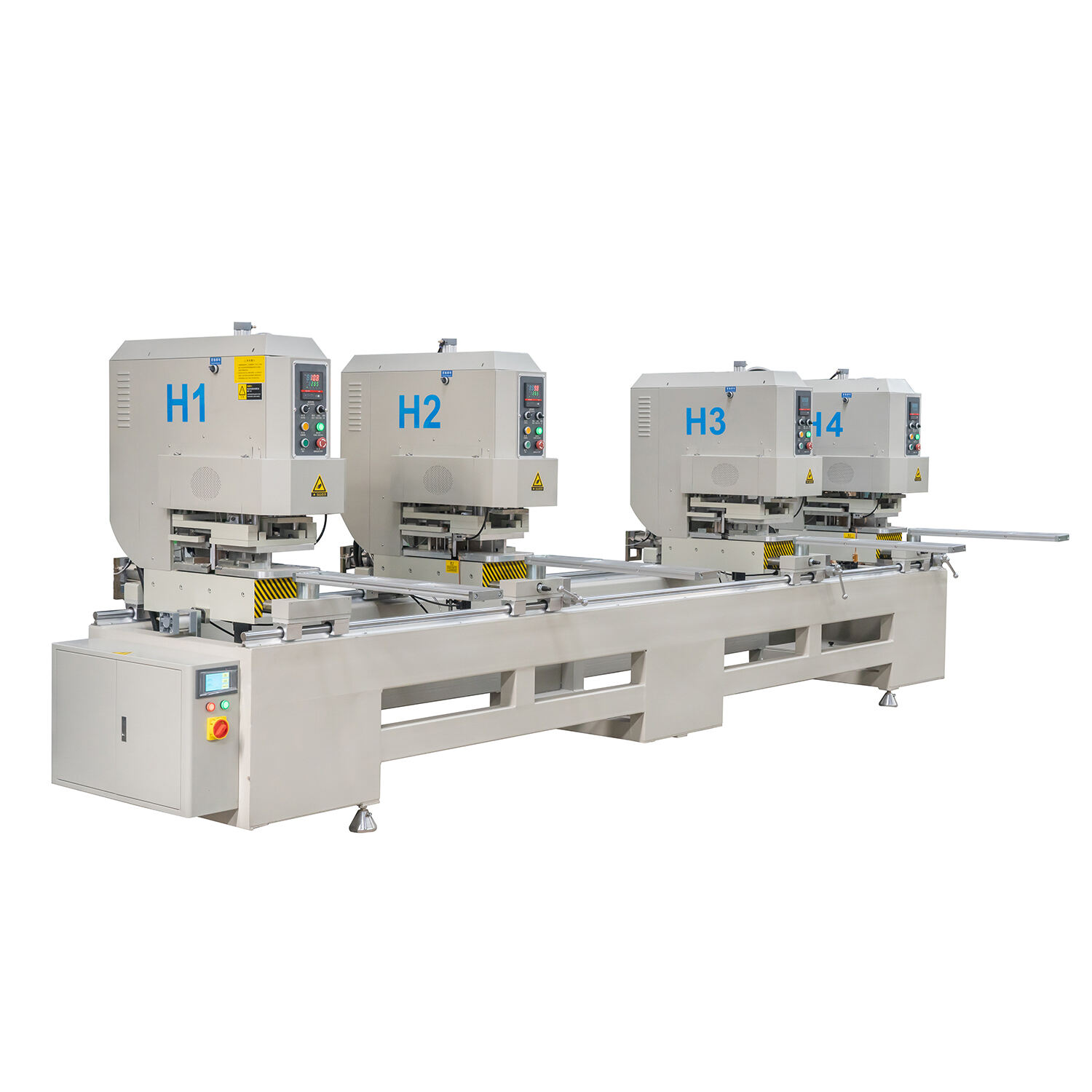
NFRC Certification Requirements and Their Impact on Thermal & Structural Design
NFRC 100/200: Modeling Constraints for Accurate U-Factor Simulation
The NFRC 100/200 standards set pretty rigorous rules for how we model heat transfer in aluminum windows. They want accurate simulations of the U-factor across different parts of the frame and glass combinations. When working on designs that meet these requirements, engineers need to think about where heat might leak through connections between components, where hardware goes through the frame, and those tricky spots where materials meet each other in digital models. These considerations really shape what choices get made regarding how thick materials should be, where insulation needs to go, and whether to specify frames with thermal breaks. Take polyamide thermal breaks as an example they cant rely solely on lab tests anymore. Instead, designers have to run their calculations through specific simulation software approved by the NFRC first. This approach helps predict how well the product will perform energetically long before anyone builds an actual prototype.
NFRC 400/402: Air Leakage and Water Penetration Testing Driving Sealing System Innovation
The NFRC 400/402 standards impose pretty strict limits on air leakage (no more than 0.3 cfm per square foot at Class 40 pressure levels) and require windows to resist water penetration even when subjected to 15% of their design pressure without any leaks. Meeting these specs has driven some serious improvements in window sealing technology. Manufacturers now commonly incorporate triple layer EPDM gaskets, build in proper drainage channels behind sills, and refine welding methods at corners based on what fails during certification tests. More companies are also turning to computational fluid dynamics analysis right from the start of product development. This helps engineers simulate airflow patterns and water entry points at key connections, which changes the whole approach to designing gasket shapes, spacing screws, and detailing extrusions so products work reliably regardless of weather conditions.
CE Marking Compliance and Its Influence on Safety, Control, and Market-Ready Integration
Aluminum window machinery needs CE marking before it can be sold anywhere within the European Economic Area market. This certification shows that the equipment meets all relevant EU regulations regarding safety, worker health, and environmental protection standards like the Machinery Directive, EMC Directive, and Low Voltage Directive. Without proper CE marking, products face serious problems. Companies might have to recall their goods, pull them completely off European shelves, or even pay massive fines upwards of half a million dollars according to recent reports from the European Commission. That's why smart manufacturers build CE compliance right into their initial product designs rather than trying to add it later. Starting early helps avoid delays getting products to market and reduces potential legal headaches down the road.
Machinery Directive 2006/42/EC: CNC Safety Architecture and Risk Assessment Integration
Under the Machinery Directive, companies must conduct thorough risk assessments at every stage of a CNC system's life cycle. Safety has to be built into the design right from the start all the way through installation. Some important technical features are safety rated PLCs which manage emergency stops across different parts of the machine. There's also mechanical guards with locks that stop movement completely when someone approaches, plus sensors around dangerous areas that shut everything down fast if anyone gets too close. Statistics from EU-OSHA show these safety steps cut down on workplace injuries by about 37% since they were introduced back in 2022. Beyond just keeping workers safe, this approach makes it much easier for businesses to stay compliant during inspections and audits.
EMC and Low Voltage Directives: Control Panel Layout and Shielding Design Implications
Electromagnetic compatibility (EMC) and electrical safety requirements—governed by EN 61000-6-2/4 and EN 60204-1—dictate precise control system configurations to prevent interference and ensure operator safety:
| Design Factor | Compliance Requirement | Engineering Impact |
|---|---|---|
| Component spacing | ≥ 5mm between high- and low-voltage circuits | Expanded PCB layouts and cabinet zoning |
| Shielding | 360° continuous EMI enclosures | Copper-lined control cabinets with conductive gaskets |
| Grounding | Single-point star topology | Dedicated grounding busbars with low-impedance paths |
These practices maintain signal integrity and limit leakage current to under 0.5 mA—critical for both functional reliability and regulatory acceptance.
Global Performance Standards and Their Effect on Modular Tooling & Calibration Systems
ASTM E1300 (US), EN 1279 (EU), and ISO 12567 (Global): Cross-Standard Load Testing and Frame Compatibility Logic
The world isn't built on one set of rules, which is why manufacturers need adaptable production systems to handle standards like ASTM E1300 for structural load resistance, EN 1279 regarding sealed insulating glass units, and ISO 12567 dealing with thermal transmittance measurements. These standards actually look at completely different aspects of performance. ASTM E1300 cares mostly about how much something bends under wind pressure. EN 1279 wants proof that moisture won't get in and that edges stay sealed even after going through temperature changes. And ISO 12567 is all about reducing heat loss where frames meet glass. Smart companies tackle this challenge by using modular calibration setups where their computer controlled machines automatically adjust settings when moving from water testing required by EN 1279 to pressure simulations needed for ASTM E1300. Special tools with built-in sensors and fast changing parts mean workers don't have to spend hours adjusting equipment manually, saving around 40% of the time usually spent switching between tests while still keeping detailed records that auditors will find acceptable in every market they operate in.
Safety Certification Evolution: From Mechanical Guarding to Intelligent HMI Logic
The safety standards for aluminum window manufacturing equipment have changed quite a bit over time. Back in the day, most safety measures relied on simple physical barriers like fixed shields and those light curtain things we all know about. These days though, the focus is much more on smart, responsive protection systems. Modern certified machines actually incorporate predictive safety features right into their Human Machine Interfaces (HMIs). This means the system can make instant adjustments depending on factors like what tools are being used, where the machine is in its cycle, or even how close someone gets to it. What this really does is turn safety from just another box to check off into something that's woven into how these machines actually work day to day. According to industry data, factories using these intelligent HMIs report around 40% fewer incidents than those relying solely on old fashioned guarding methods. And let's face it, this isn't just about meeting regulations anymore. Certification now influences everything from basic operations down to how machines respond and keep workers safe in real situations.
FAQ
What is NFRC Certification?
NFRC Certification pertains to standards set for windows and doors that measure their energy performance. It requires accurate simulations of U-factor, air leakage, and water penetration to ensure thermal performance.
Why is CE Marking important for aluminum window machinery?
CE Marking is crucial for the sale of aluminum window machinery within the European Economic Area as it indicates compliance with EU regulations on safety, health, and environmental protection.
How do global performance standards affect window design?
Global standards like ASTM E1300, EN 1279, and ISO 12567 influence window design based on structural, moisture resistance, and thermal transmittance criteria, requiring adaptable production systems.
Table of Contents
- NFRC Certification Requirements and Their Impact on Thermal & Structural Design
- CE Marking Compliance and Its Influence on Safety, Control, and Market-Ready Integration
- Global Performance Standards and Their Effect on Modular Tooling & Calibration Systems
- Safety Certification Evolution: From Mechanical Guarding to Intelligent HMI Logic