 EN
EN

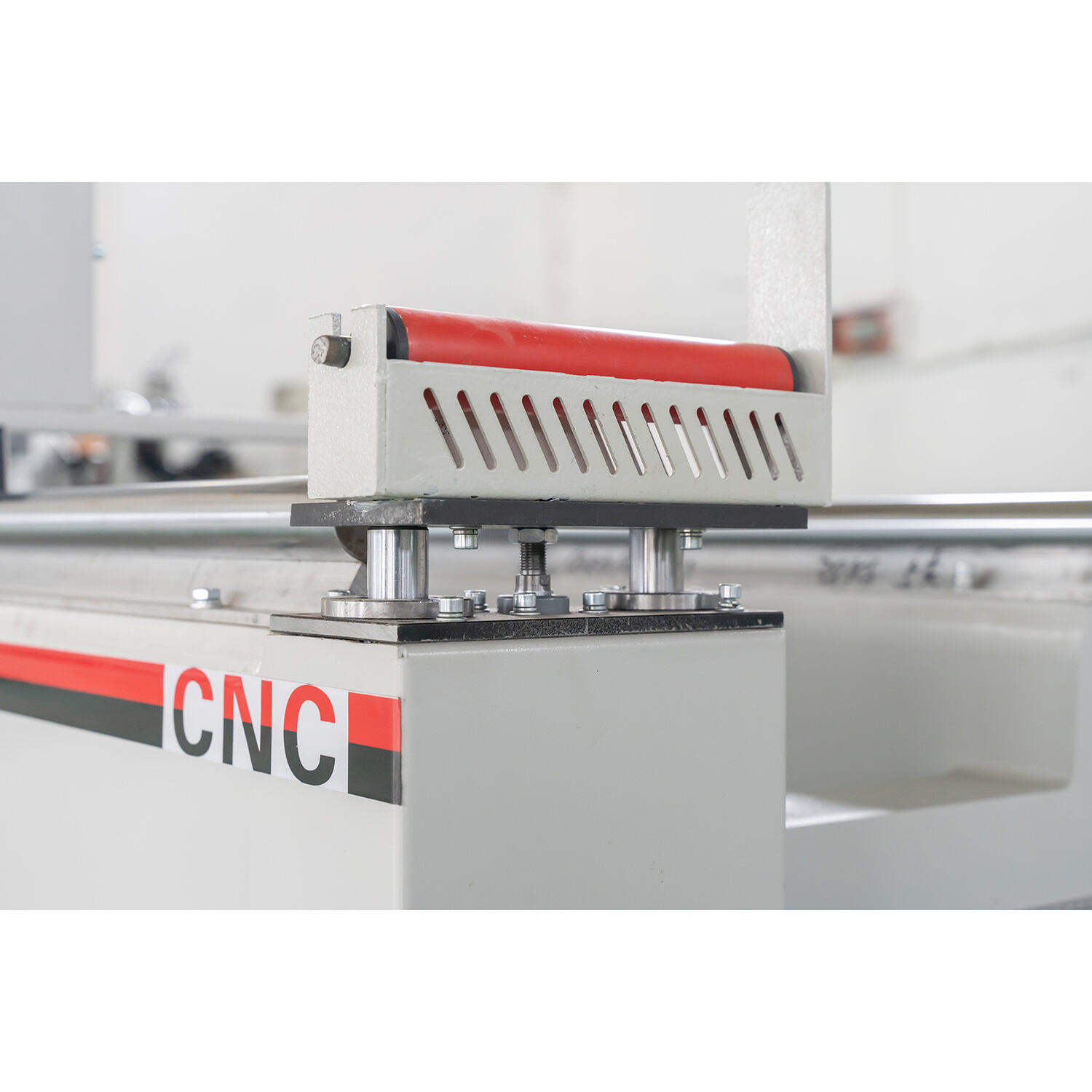
High-Efficiency Electric Drive Systems for Energy Efficient Aluminium Bending Machine Innovations
Precision servo motors with adaptive torque control reducing idle and overload energy waste
Servo motors that adjust their torque based on what's needed actually cut down on wasted energy because they can change how much power they use depending on the current bending requirements. Traditional motors run at fixed speeds no matter what, but these new systems slash idle consumption by around half thanks to smart load sensing tech. They automatically dial back torque when handling lighter jobs like shaping those thin 6061-T6 aluminum sheets. Another benefit is that they won't let power usage spike during heavy loads, which saves about 15 to 20 percent compared to older setups. And despite all this efficiency, the machines still manage to keep bending accuracy within plus or minus 0.1 degrees. Manufacturers are seeing real money savings from this kind of adaptive control system without having to slow down production lines or compromise on quality standards.
Regenerative braking systems recovering kinetic energy during deceleration cycles
Regenerative braking captures the energy that rams generate when they slow down, turning this otherwise wasted motion into electricity that can be used again. After every bending cycle, roughly 30% of what would typically escape as heat gets saved either in onboard capacitors or sent back to the main power supply. The system works particularly well for operations that happen frequently with heavy materials such as aerospace grade 7075 aluminum, since there are so many stops and starts throughout production. When machines convert their movement back into usable power, they consume less overall energy per operation while also making parts last longer because there's simply less friction wearing them out over time.
Intelligent Hydraulic & Pneumatic Optimization in Aluminium Bending Machines
Modern energy-efficient aluminium bending machines integrate intelligent hydraulic and pneumatic systems that adapt in real time to operational needs, significantly reducing energy waste.
Load-sensing hydraulics with real-time pressure modulation cutting standby consumption by up to 65%
Load sensing hydraulics come with pressure sensors and microprocessor controls that let them tweak their output based on what they feel during the bending process. Traditional fixed pressure pumps just keep pumping at the same rate all the time, but these newer systems actually save a lot of energy when sitting idle because they cut down standby pressure by around two thirds according to a study from Industrial Hydraulics Journal last year. The system stays ready to deliver maximum bending power whenever it's required, yet manages to slash those unnecessary energy drains we call parasitic losses. For factories dealing with changing production demands throughout the day, this kind of smart adjustment makes a real difference in their bottom line.
AI-driven idle-mode automation: Context-aware shutdown between bending operations
Smart machine learning tools look at how production flows and spot when things might slow down. If sensors pick up any stoppages longer than about 15 seconds, they automatically put unnecessary air-powered parts into sleep mode. This cuts down on wasted electricity by around 40 to 55 percent while workers switch shifts or move materials around. When operators need to get back to work, the system wakes up almost instantly within less than half a second. What makes this approach so good is that it saves power without making anyone wait or disrupting the normal flow of operations on the factory floor.
| Optimization Feature | Energy Impact | Operational Benefit |
|---|---|---|
| Real-time pressure modulation | 60-65% standby reduction | Consistent bending force |
| Predictive idle shutdown | 40-55% less phantom load | Instant restart capability |
Together, smart hydraulic regulation and AI-powered pneumatic management create a synergistic effect—minimizing energy waste while preserving the precision and reliability required in high-tolerance aluminium forming.
Adaptive Eco Mode Operation for Alloy-Specific Energy Efficiency
Dynamic parameter tuning based on profile geometry, wall thickness, and alloy thermal conductivity (e.g., 6061 vs. 7075)
Eco modes that adapt on their own can really cut down on energy waste because they adjust machine settings based on what kind of aluminum profile is actually getting made. When looking at the material, there are basically three things the system checks out first: how the shape looks across its section, how thick those walls are, and how well the metal conducts heat. Take 6061 aluminum for instance it lets heat escape much quicker compared to 7075, so we need completely different ways to handle temperature control and apply force during forming. Machines will lower hydraulic pressure when dealing with thin parts and tweak motor torque when facing complicated bends, which gets rid of all those problems caused by generic settings that work for nothing special. According to Material Efficiency Journal from last year, this kind of precise tuning cuts energy usage around 18% each time through the process while still keeping everything within strict tolerance ranges. What makes these eco features so valuable is that they match power output exactly to what the metal and geometry actually require, allowing factories to produce large volumes sustainably without having to sacrifice product quality standards.
Integrated 3D Bending Architecture: Reducing Process Energy Through Workflow Consolidation
The integrated 3D bending architecture brings together several forming steps into one continuous process, cutting down on the need for energy hungry material handling and constant repositioning. When manufacturers create complex shapes all at once instead of switching between different machines, they avoid those annoying repeated startups and lengthy thermal stabilization periods that eat up so much power in traditional multi stage setups. Energy savings typically fall somewhere between 15% to maybe even 30%, especially noticeable in facilities producing many different parts at once. Better still, keeping track of materials throughout the entire process means less wasted material going straight into the bin. Fewer times stopping and starting the machines plus less waiting around between operations adds up to significant savings over time. This kind of streamlined approach has become essential for companies looking to upgrade their aluminium bending equipment while still meeting strict energy efficiency targets.
FAQ
What are the benefits of using precision servo motors in aluminum bending machines?
Precision servo motors with adaptive torque control reduce idle and overload energy waste, leading to energy efficiency and cost savings without compromising accuracy.
How does regenerative braking improve energy efficiency?
Regenerative braking captures kinetic energy during deceleration and converts it into electricity, reducing overall energy consumption and prolonging machine life.
What role do load-sensing hydraulics play in energy efficiency?
Load-sensing hydraulics reduce standby consumption by adjusting pressure based on operational needs, leading to significant energy savings.
How does AI-driven idle-mode automation enhance energy efficiency?
AI-driven automation identifies breaks in production and powers down unnecessary components, saving energy without disrupting operations.
What is the advantage of integrated 3D bending architecture?
Integrated 3D bending consolidates workflow, reducing energy consumption associated with material handling and machine repositioning.
Table of Contents
- High-Efficiency Electric Drive Systems for Energy Efficient Aluminium Bending Machine Innovations
- Intelligent Hydraulic & Pneumatic Optimization in Aluminium Bending Machines
- Adaptive Eco Mode Operation for Alloy-Specific Energy Efficiency
- Integrated 3D Bending Architecture: Reducing Process Energy Through Workflow Consolidation
- FAQ