 EN
EN

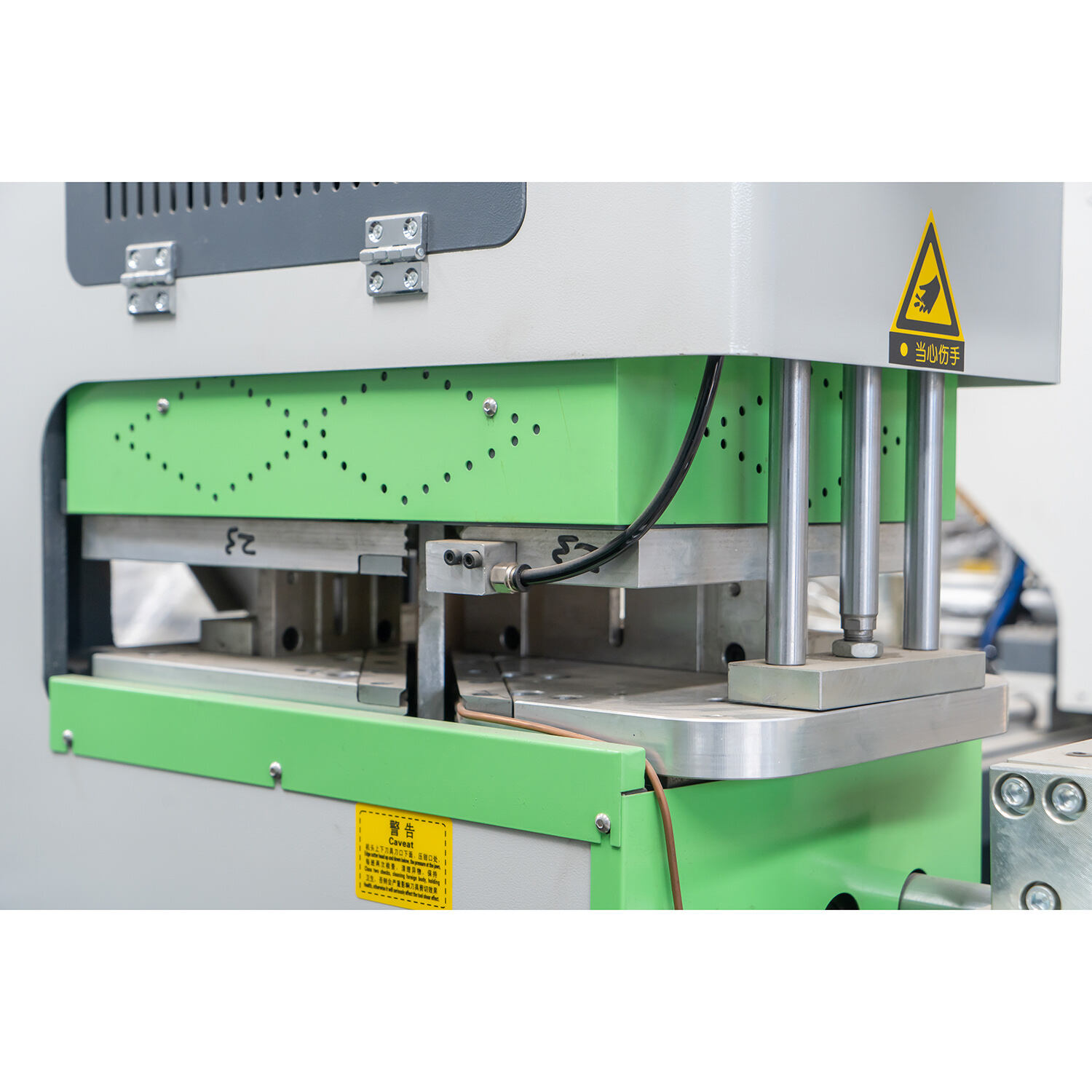
Why Standard Lubrication Fails in PVC Welding Machine Applications
Thermal and Chemical Incompatibility with PVC Substrate
The way PVC molecules interact with regular lubricants gets pretty unpredictable between those 160 to 220 degree Celsius marks during processing. When things heat up past 190 degrees, which happens right around when milling heads are running hottest, petroleum based oils just stop working properly. Their viscosity drops off completely, so the protective film they form basically collapses as this plastic transitions from its rubbery state to fully melted. There's also a chemical issue worth mentioning. Those sulfur compounds commonly found in standard lubricants don't play nice with the chlorine in PVC. They create all sorts of acidic stuff that makes the material oxidize faster, leaves ugly stains on surfaces, and actually weakens the polymer chains themselves. For anyone working on research prototypes where material purity matters a lot, this kind of degradation can be a real problem. And it gets worse over time too. Every time these non-specialized lubricants go through heating cycles, they break down more until they leave behind residue that messes up milling surfaces and throws off test results completely.
Mechanical Risks: Bearing Seizure, Chip Adhesion, and Seal Degradation
Conventional lubricants fail under the unique mechanical demands of PVC machining, triggering a cascade of failures:
- Bearing seizure occurs as lubricant films disintegrate under high shear, increasing friction by 40–60% in spindle components
- Chip adhesion intensifies when degraded oils lose anti-stick properties, causing gummy PVC chips to bond to cutting edges—requiring cleaning three times more often
- Seal degradation accelerates as ester-based plasticizers in common lubricants cause nitrile seals to swell up to 15% in volume
This combination shortens milling head service life by 30–50% in research environments. Additionally, standard lubricants poorly manage heat in localized zones exceeding 250°C, risking thermal runaway and unplanned shutdowns during critical experiments. Specialized lubrication strategies are essential to maintain equipment reliability and data consistency.
Minimum Quantity Lubrication (MQL) for PVC Welding Machine Lubrication
Precision MQL Delivery Systems Tailored to PVC Milling Head Geometry and Chip Flow
Minimum Quantity Lubrication or MQL cuts down on contamination issues and heat problems because it applies just under 10 milliliters per hour of lubricant via those tiny micronozzles that line up perfectly with how the milling head is shaped. The system actually works along where chips naturally go, which matters a lot when dealing with materials like PVC that melt easily. This approach brings about around a 70 percent drop in sticking compared to traditional flood lubrication methods, plus tools last much longer too. Those multi-orifice nozzles bend around complicated shapes on heads so the oil mist lands exactly where needed between tool and workpiece material. Less wasted lubricant means better efficiency overall and stops unwanted reactions with polymers during machining processes.
Nano-Enhanced Bio-Esters: Non-Staining, Low-Temp Film Strength, and PVC Compatibility
Bio-ester lubricants enhanced with nano additives create strong protective layers on surfaces even at temperatures below 150°C. These layers stop surface damage from happening while still holding up under intense pressure conditions. Studies have found that these special esters cut down friction by around 40% compared to regular petroleum based oils. Plus, they don't cause any staining issues because they basically ignore PVC materials during contact. The chemical makeup of these lubricants makes them resistant to breaking down in water, which helps keep bearing seals intact for longer periods. What's really impressive is that about 95% of these products break down naturally over time, making them much better for the environment than traditional options. Looking at actual industry numbers, companies report seeing as much as a 40% drop in equipment failures caused by excessive heat when switching to these newer formulas.
Coolant-Lubricant Trade-offs in PVC Welding Machine Milling Heads
Water-Based vs. Oil-Free Synthetic Formulations: Impact on Seals, Bearings, and Surface Weldability
Water based coolants work great for getting rid of heat but they just don't provide enough lubrication. This causes problems with bearings wearing down faster—studies show anywhere from 18 to 32 percent extra wear when loads are high. Plus water can break down seals over time through a chemical process called hydrolysis. The oil free synthetic options on the market today actually do a much better job protecting against wear and stop those annoying chip welding issues. However, formulation is critical because if not done right, plasticizers can migrate into PVC materials which creates bigger problems downstream. When it comes to making sure things weld properly, most engineers prefer non staining synthetic esters since they don't leave behind residues that might mess up the molecular bonds at weld points. Any good R&D program needs to test how stable these coolants stay when temperatures hit between 120 and 150 degrees Celsius. Getting this balance right between cooling effectiveness, seal integrity, and bearing life remains a key challenge for anyone working with industrial fluids.
R&D-Driven Lubrication Protocols to Maximize Milling Head Longevity
Getting proper lubrication right for advanced PVC welding machines needs serious research and development work if we want to avoid early breakdowns. Some recent tests in 2023 indicate that these cold mist lubrication systems might actually last about thirty times longer than regular ones because they cut down on heat damage and those pesky chips sticking everywhere. When working specifically with PVC materials, there are basically three things that matter most for good results. The first step involves checking how different materials react together when exposed to intense temperature changes during operation. Next comes watching how well the lubricant spreads throughout the system, often requiring fast cameras inside tight spaces where the actual cutting happens. Finally, there's testing how long everything lasts under different conditions, looking at things like wear marks along edges or tiny pits forming over time. All this information helps predict when maintenance is needed before problems occur, which cuts unexpected stoppages by around forty percent and keeps contaminants out of the system entirely. What this means in practice is moving away from fixing things after they break towards maintaining equipment based on actual data, making operations greener and saving money in the long run.
FAQ
-
Why does standard lubrication fail in PVC welding machine applications?
Standard lubricants fail due to thermal and chemical incompatibility with PVC substrates. These lubricants' viscosity drops with high temperatures, leading to poor protection, and sulfur compounds can negatively react with PVC's chlorine content, causing degradation. -
What are the mechanical risks associated with standard lubricants in PVC machining?
Risks include bearing seizure, chip adhesion, and seal degradation, which increase friction, require frequent cleaning, and cause seals to swell, respectively. -
How does Minimum Quantity Lubrication (MQL) benefit PVC welding machines?
MQL reduces contamination and heat issues by applying minimal lubricant precisely where needed, cutting sticking by 70% compared to traditional methods. -
What advantages do nano-enhanced bio-esters offer?
Nano-enhanced bio-esters create strong protective layers, resist breakdown, cause less staining, and offer environmental benefits due to their biodegradability. -
What are the trade-offs between water-based and oil-free synthetic formulations?
Water-based coolants manage heat but lack sufficient lubrication which wears out bearings. Oil-free formulations protect against wear but require careful formulation to prevent plasticizer migration.