 EN
EN

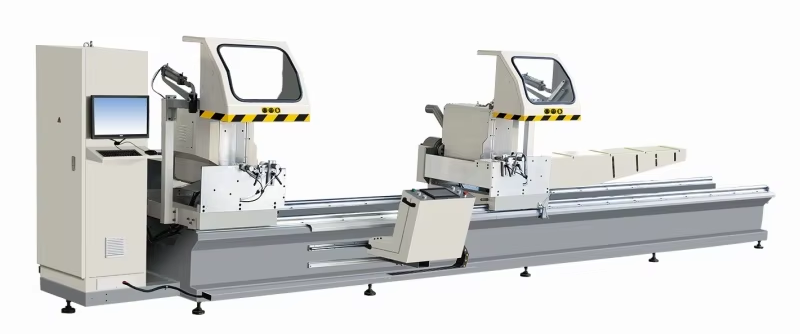
Why CNC Window Software Partnerships Drive Competitive Advantage
The window manufacturing sector is at a critical turning point. What used to be a nice-to-have advantage with CNC tech is now basically table stakes if companies want to stay competitive. Modern customers want windows tailored exactly to their specifications, and they expect delivery timelines that would make most manufacturers sweat bullets. This creates what many in the industry call a high mix, low volume scenario with precision requirements that leave little room for error. When manufacturers partner with specialized CNC software providers, they can cut programming time down by roughly two thirds thanks to better CAD CAM integration. Setup times shrink too, which means production lines aren't sitting idle waiting for changes between jobs. The real game changer comes when shops need to handle rush orders for custom windows something traditional systems just can't keep up with. These partnerships also help reduce costly machining mistakes while speeding up the quoting process. For window fabricators looking to win big contracts, this kind of efficiency translates directly into market share gains, especially against competitors who still rely on outdated, fragmented software solutions.
Key Types of CNC Window Software Partnerships
CAD/CAM Integration Partnerships for Seamless Programming
When CAD/CAM software companies team up with equipment makers, they basically create smoother workflows for making windows. What happens is these partnerships actually build special toolpath optimization features right into the cutting machines themselves. This means automated nesting and collision detection become possible even for those tricky fenestration profiles that used to give everyone headaches. Fabricators no longer need to manually transfer files back and forth between their design programs and production software. Most shops report saving around 30 to 50% on programming time when this happens, plus there's way less wasted material from machining mistakes. And here's something really useful: operators can now run simulations of their cuts before hitting go. This has saved countless hours and dollars at places where curved glass or tempered glass gets processed regularly, preventing expensive machine crashes that nobody wants to deal with.
MES and Digital Twin Collaborations for Smart Window Fabrication
When Manufacturing Execution Systems get integrated with digital twin tech, factories gain much better insight into what's actually happening on the shop floor. Modern CNC routers equipped with sensors send live data to virtual replicas of the factory. This lets plant managers anticipate when cutting heads need servicing, track how heat affects vinyl frames during machining, and figure out when blades should be replaced based on how hard the materials really are. According to recent efficiency reports from 2023, facilities that have adopted these systems see their production speed jump by around 22%. What makes this work so well is the feedback loop that keeps making tiny adjustments to maintain calibration. For those running long production runs of big architectural windows, this means staying within just 0.1 millimeter tolerance over hours of operation without constant manual checks.
Value-Added Reseller (VAR) and Co-Development Alliances
Specialized value-added resellers help fill those tech gaps by bundling CNC machines with software specifically made for window manufacturing needs. When machine makers team up with specialized software developers, they come up with stuff like tools that automatically generate sequences for inserting thermal breaks, algorithms that optimize batches of glass panels, and cloud systems that track different building codes across regions. The collaboration really speeds things up too these joint efforts shorten the time it takes to develop new products by around 40% when compared to off-the-shelf systems. According to a recent industry report from 2024, nearly three quarters (about 74%) of custom window shops that adopted this co-developed software saw major drops in their rework rates because quality checks were built right into the programming process itself.
Measurable Value Gains from Strategic Software Partnerships
Reduced Programming Time and Fewer Machining Errors
CAD/CAM integration slashes programming time by 30–50%, while automated toolpath optimization reduces human error in complex window designs–minimizing material waste and fixture damage. Real-time collision detection and integrated simulation tools allow virtual troubleshooting before physical production. These capabilities deliver measurable ROI through:
- 40% fewer geometry interpretation errors
- 25% faster code generation for arched and angled window profiles
- Near-elimination of gouging and undercut defects
Faster Quoting, Setup, and Changeover in Custom Window Production
Quoting systems powered by manufacturing execution software can now crunch cost numbers almost instantly based on what materials are actually in stock and how much machine capacity remains available. This cuts down on waiting time for proposals dramatically, sometimes bringing turnaround times down from several days to just a few minutes. Then there's digital twin tech which lets manufacturers test out production lines virtually first before making any physical changes. For those specialty window runs, this approach saves around two thirds of the usual setup time. Working with value added resellers really helps speed things along too. They bring ready made templates for different bay and bow window setups, plus handy features like recalling previous jobs with just a single click when customers order something similar again. And best of all, their systems automatically set up tools correctly so nobody has to waste time doing manual calibrations anymore.
FAQ
What is CNC technology?
CNC stands for Computer Numerical Control, a technology that automates the control of machining tools using a computer.
Why are CNC software partnerships important for window manufacturers?
CNC software partnerships are crucial because they enhance precision, reduce programming time and errors, and improve production efficiency, which is vital in meeting customized window demands promptly.
How do CAD/CAM integration benefits manufacturers?
CAD/CAM integration improves workflow by automating nesting and collision detection, reducing programming time, minimizing material waste, and allowing simulation of cuts before production.
What advantages do MES and digital twin integrations offer?
MES and digital twin integrations provide real-time data insights, help in anticipating maintenance needs, and improve production speed and tolerance in manufacturing processes.
What role do value-added resellers play in CNC partnerships?
Value-added resellers bridge technology gaps by offering customized software bundled with CNC machines, speeding up product development and reducing errors through built-in quality checks.