 EN
EN

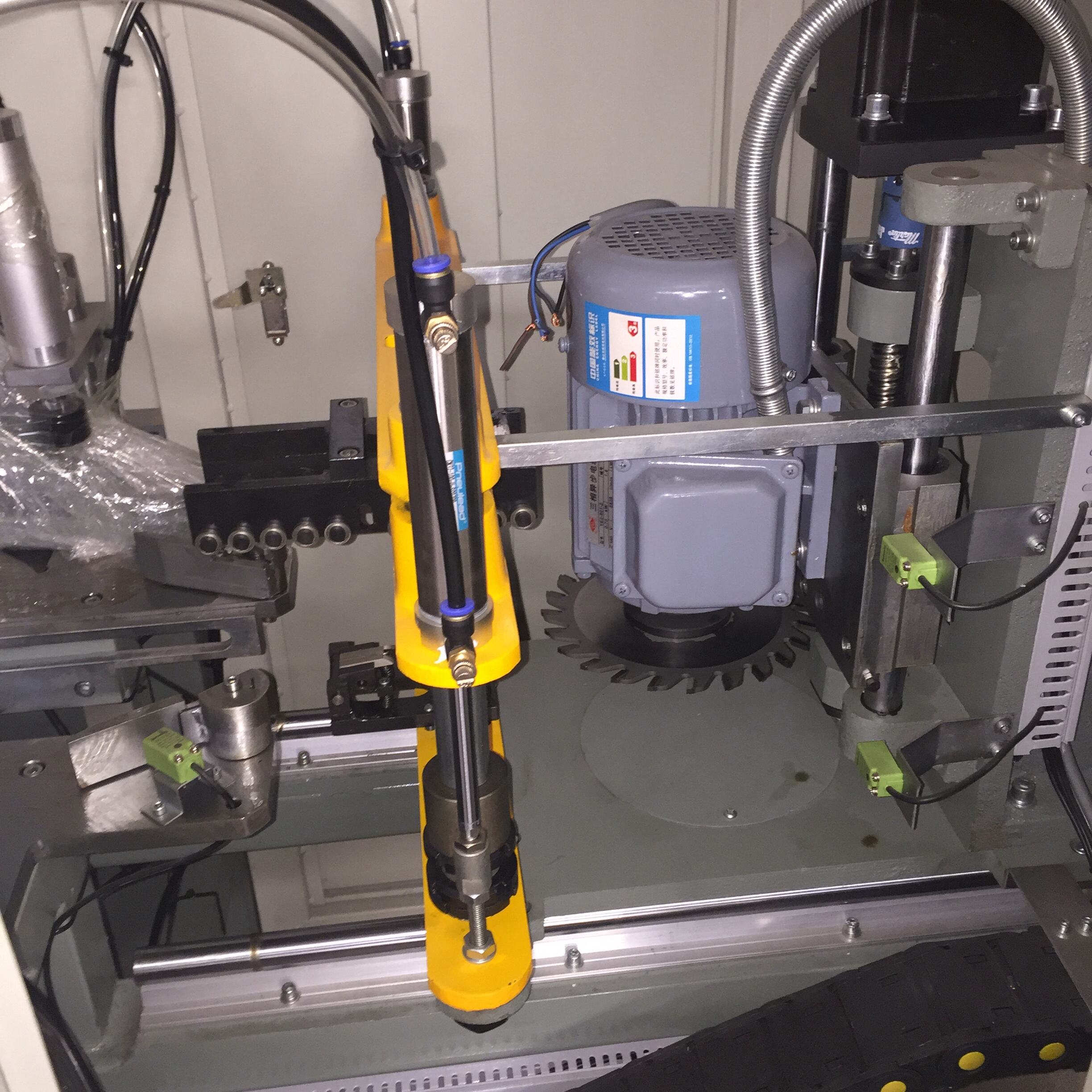
Why Safety Interlocks Are Non-Negotiable in Electric Corner Crimping Machines
Electric corner crimping machines pack a serious punch, generating over 20 tons of force during each pressing cycle. That kind of power can seriously hurt operators if something goes wrong with safety measures. According to recent industry stats, nearly 6 out of 10 manufacturing amputations happen because machines aren't properly guarded (OSHA reported this in their 2023 findings). Safety interlocks have become must-have equipment for preventing these kinds of accidents. What makes them different is how they work - when anyone opens up the guard around dangerous moving parts, the machine just stops dead in its tracks. Emergency stop buttons don't offer the same protection since presses can restart accidentally. Interlocks actually meet those strict ISO 12100 standards for fail-safe operation, which means no more worrying about machines kicking back on during maintenance work. In crimping jobs specifically, where workers handle materials right next to areas that could crush anything caught there, these safety features turn what was once a deadly machine into something that can safely work alongside people. Manufacturers keep installing them not just because regulations demand it, but because nobody wants to see preventable injuries happening on the shop floor while production lines remain efficient and running smoothly.
How Safety Interlocks Prevent Operator Injury During Pressing Cycles
Electric crimping machines really pack a punch when they press things together, which creates dangerous spots where fingers or hands can get caught and seriously hurt. The safety locks on these machines act kind of like a warning system that stops the machine from moving if someone gets too close while it's running. These safety features work hand in hand with other protective measures built into the equipment itself. They basically set up invisible walls around what the machine can do, making sure operators stay safe even when accidents might happen.
Guard-Integrated Interlocks: Blocking Cycle Initiation Until Safely Closed
The guard locking systems stop machines from starting up until all the safety barriers are properly closed around dangerous areas. These safety devices typically rely on those reliable old fashioned electromechanical switches that double check whether guards are in place before allowing any operation to begin. If the sensors notice that a guard isn't secured correctly, then nothing happens - no hydraulics kick in, no pneumatic components start moving. Some newer installations now incorporate RFID coded actuators as an extra layer of protection against people trying to mess with them. We've seen this problem quite often in manufacturing plants where workers used to just disable regular switches when they got impatient waiting for things to reset. The biggest benefit? Workers can't reach into machinery while materials are being positioned anymore. Factory accident reports show something like a 70 percent drop in cuts and crushing injuries since these systems became standard practice across most industrial settings.
Emergency Stop Integration and Motion-Suppression Protocols During Active Crimping
When operators trigger emergency stops mid-cycle, interlocks override all machine commands to initiate instantaneous braking. Servo-electric crimpers leverage dynamic motor control to halt ram movement within milliseconds, while hydraulic systems deploy rapid pressure-dump valves. Integrated light curtains complement these protocols: if breached during deceleration, secondary magnetic brakes engage.
Critical compliance requirements include:
- SIL-3 rated safety relays ensuring signal integrity
- Dual-channel monitoring for circuit faults
- Auto-hold positions preventing gravity-driven descent
- Post-stop reset protocols requiring deliberate restart actions
This layered approach prevents catastrophic entanglement during die adjustments or misfeed corrections.
Key Types of Safety Interlocks for Crimping Machines
Electromechanical Interlock Switches with Positive-Opening Contacts
Electromechanical interlocks stop crimping machines from running whenever safety guards are left open. The system works through spring loaded parts that have these special contacts which pull apart the electrical connections if something goes wrong. Even if there's contact welding happening, these interlocks still cut off power safely. Such designs actually meet those strict ISO 13849 standards at performance level PL e. Once operators shut the guards back down, mechanical parts inside activate switches that reconnect everything properly. This gives workers peace of mind knowing their machines won't start up accidentally while they're working on pressing operations.
RFID-Based Safety Interlocks for Tamper-Resistant, Identity-Aware Access Control
RFID interlock systems boost security by using encryption to verify who gets access. Workers authorized to operate machinery wear special ID tags that talk to readers placed at entry points throughout facilities. When someone tries to get in without proper clearance or takes their tag off while operating equipment, the whole system stops dead in its tracks. The encrypted signals prevent anyone from messing with the system, and every time someone tries to access restricted areas, the attempt gets recorded too. This creates a paper trail that makes it clear who was where when. In places where risks are particularly high, these interlocks connect directly to safety relays so that if an invalid credential shows up, emergency stop procedures kick in automatically. Many manufacturing plants have adopted this approach after experiencing security breaches with older systems.
Compliance and Best Practices for Safety Interlocks on Crimping Machines
Meeting ISO 14119, ANSI B11.1, and ISO 12100 Requirements for Fail-Safe Design
Following international safety standards is critical for making sure crimping machine interlocks work reliably when things go wrong. The ISO 14119:2024 standard specifically requires guard interlocking systems that stop machines from starting up until all protective barriers are properly closed. This standard also tackles potential hidden faults by incorporating backup contacts in the design. ANSI B11.1 covers specific safety requirements for presses including those two-handed control systems operators must use and those laser light curtains we see around many industrial areas. It also insists on stopping machine movement instantly whenever there's an emergency situation. ISO 12100 serves as the basic blueprint for assessing risks, mandating thorough hazard analysis before any interlock systems get installed. All these standards together create multiple layers of protection combining different types of mechanical, electrical, and control system backups so no single failure can cause accidents. Companies need to remember regular testing of these systems plus keeping detailed records of maintenance checks remains important for staying compliant and keeping workers safe on the job site.
FAQs
Why are safety interlocks essential for electric corner crimping machines?
Safety interlocks are crucial because they prevent accidents by stopping the machine if safety barriers are breached, minimizing the risk of injuries to operators.
What happens when a safety interlock is triggered?
When a safety interlock is triggered, the machine immediately stops, preventing any potential movement that could cause injury.
What types of safety interlocks are commonly used in crimping machines?
Common safety interlocks include electromechanical switches with positive-opening contacts and RFID-based systems for tamper-resistant access control.
How do manufacturers ensure compliance with safety standards for interlocks?
Manufacturers comply with safety standards like ISO 14119, ANSI B11.1, and ISO 12100 by incorporating fail-safe designs and conducting regular maintenance checks.