 EN
EN

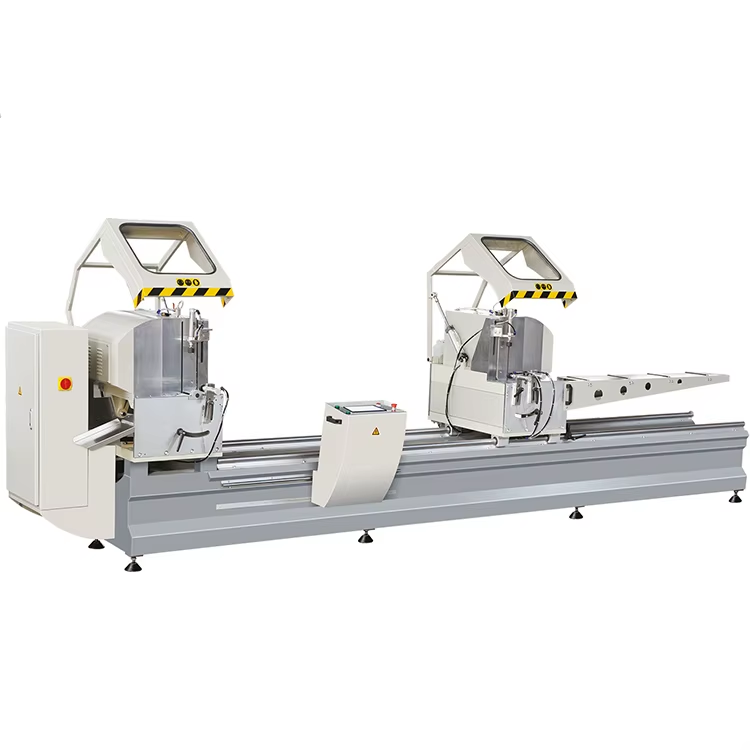
Understanding Aluminum Window Machine Torque Specs and Their Role in Structural Integrity
Why Standardized Bolt Tightening Specifications Matter for Aluminum Structural Systems
Getting the right torque specs for aluminum window machines really matters if we want to avoid serious failures in those heavy duty aluminum parts. Aluminum just isn't as strong as other materials, with yield strengths ranging from about 35MPa up to around 240MPa depending on how it was treated. Plus, it expands quite a bit when heated compared to steel – roughly 23 micrometers per meter per degree Celsius, which is actually 40% more expansion than what steel experiences. When working with M8 bolts, going over 25 Newton meters tends to warp threads permanently. On the flip side, anything below 15Nm leaves them vulnerable to coming loose from vibrations. The good news is there are established guidelines based on ASTM F1554 that help manufacturers deal with these specific challenges, especially important when dealing with temperature fluctuations exceeding 50 degrees Celsius in factories. Recent checks done by NIST back this up, showing that inconsistent torque application leads to parts failing much sooner than expected – studies indicate failure rates jump by nearly two thirds when proper specs aren't followed.
How Torque as a Quality Assurance Metric Predicts Long-Term Connection Integrity
The amount of torque applied determines how evenly pressure is distributed across joints, which makes it probably the single most useful indicator when predicting how long those connections will last. When torque stays within about 5% of what's needed, vibration damage drops dramatically - studies show around a 78% reduction in fatigue issues. For thermal break windows specifically, maintaining torque between 20 and 22 Newton meters keeps the seals compressed properly so water doesn't sneak through. Companies that track their torque application digitally see roughly 90% fewer warranty problems after ten years in the field, which really speaks volumes about proper torque management being essential for good maintenance practices. And regular seasonal checks catch small declines in torque before they become big structural problems down the road.
Consequences of Incorrect Torque: Over-Torquing vs. Under-Torquing in Aluminum Components
Microstructural Damage from Over-Torquing: Yield Point Exceedance and Thread Stripping
Going beyond the suggested torque levels causes permanent damage to aluminum parts, cutting down their ability to hold weight by around 15 to 20 percent. Stress builds up in specific areas and creates tiny cracks, particularly noticeable around threads. When the applied force exceeds what the metal can handle, the threads simply give way. Aluminum isn't as tough as steel, so these problems develop much quicker, which means replacing damaged parts becomes far more expensive. Factoring in the time and effort needed to remove broken components and redo threading, repair bills can skyrocket by nearly three times compared to proper maintenance practices.
Under-Torquing Risks: Joint Loosening, Vibration Fatigue, and Creep-Induced Failure
When bolts aren't tightened properly, the clamping force gets compromised, which lets tiny movements happen during normal vibrations from operation. These small movements are actually one of the main causes behind fretting corrosion and general wear on components. Looking at some industrial durability reports, around 38 percent of early failures in aluminum joints come down to vibration fatigue issues. And things get worse because aluminum naturally has these creep properties that cause problems over time. When joints are not torqued correctly and kept under constant loads, they tend to slip and become misaligned. If torque specs fall below 80%, failure rates go up dramatically within just six to twelve months of service. That's why getting those torque numbers right matters so much for long term reliability.
Industry Standards for Torque Specifications in Heavy Duty Aluminum Window Machines
ASTM F1554 & ISO 898-1 Compliance in Aluminum Window Machine Fastener Torque Values
The ASTM F1554 standard along with ISO 898-1 form the backbone for determining proper torque values when working with structural aluminum components. These guidelines specifically tackle issues related to aluminum's reduced ductility, tendency to creep over time, and how it reacts to temperature changes. Properly set torque specifications help avoid joint failures that can occur during normal operation and when exposed to repeated heating and cooling cycles. According to Annex B of ASTM F1554, tension controlled fasteners need to be torqued within a 5% margin of error. Meanwhile, ISO 898-1 has strict requirements for verifying tensile strength through testing procedures. When engineers follow both standards simultaneously, they significantly reduce the risk of parts becoming loose, minimize problems with galvanic corrosion where different metals meet, and achieve better load distribution across connections. Recent studies published in the Systems Integration Journal back up these claims showing around a 27% drop in field failures after implementing this dual compliance approach.
Maintaining Durability: Torque Verification and Preventative Maintenance Protocols
Calibrated Re-Torque Intervals and Digital Torque Audit Trails for Sustained Performance
The creep properties of aluminum mean regular re-torquing becomes necessary over time. According to research published in the Materials Performance Journal back in 2023, around two thirds of all joint failures actually happen because the torque relaxes within just 18 months after installation. To keep things intact through those temperature changes and vibrations, most facilities stick to certified tools and follow recommended schedules typically every six to twelve months. The newer digital torque systems take this further by creating encrypted records that track not only the actual torque numbers but also when they were applied, who did the work, and whether each check passed or failed. These detailed records help spot problems early on, like noticing areas where bolts consistently get under-torqued before any serious issues develop. Plants that implement both traditional methods and these advanced digital solutions tend to see their equipment last about 34% longer according to Assembly Engineering Review findings from last year. This means better compliance with those critical torque specifications for aluminum window machines and significantly fewer unexpected shutdowns disrupting production.
FAQ
What is the importance of torque specs in aluminum window machines?
Torque specs ensure that bolts are tightened to the correct level, preventing issues such as thread warping, joint loosening, and vibration fatigue that may lead to premature failure of aluminum components.
How does over-torquing affect aluminum components?
Over-torquing can cause permanent damage, including microstructural damage and thread stripping, reducing the load-bearing capacity of aluminum parts by 15 to 20 percent.
What are some consequences of under-torquing?
Under-torquing leaves joints susceptible to loosening and vibration fatigue, leading to potential joint misalignment and creep-induced failure.
What standards govern torque specs for aluminum components?
Torque specifications for aluminum components are governed by standards like ASTM F1554 and ISO 898-1, which provide guidelines to ensure structural integrity and prevent joint failures.
Why is regular maintenance important for aluminum window machines?
Regular maintenance, including re-torquing and using digital audit trails, is crucial to prevent torque relaxation and maintain joint integrity, significantly extending equipment life.
Table of Contents
- Understanding Aluminum Window Machine Torque Specs and Their Role in Structural Integrity
- Consequences of Incorrect Torque: Over-Torquing vs. Under-Torquing in Aluminum Components
- Industry Standards for Torque Specifications in Heavy Duty Aluminum Window Machines
- Maintaining Durability: Torque Verification and Preventative Maintenance Protocols
- FAQ