 EN
EN

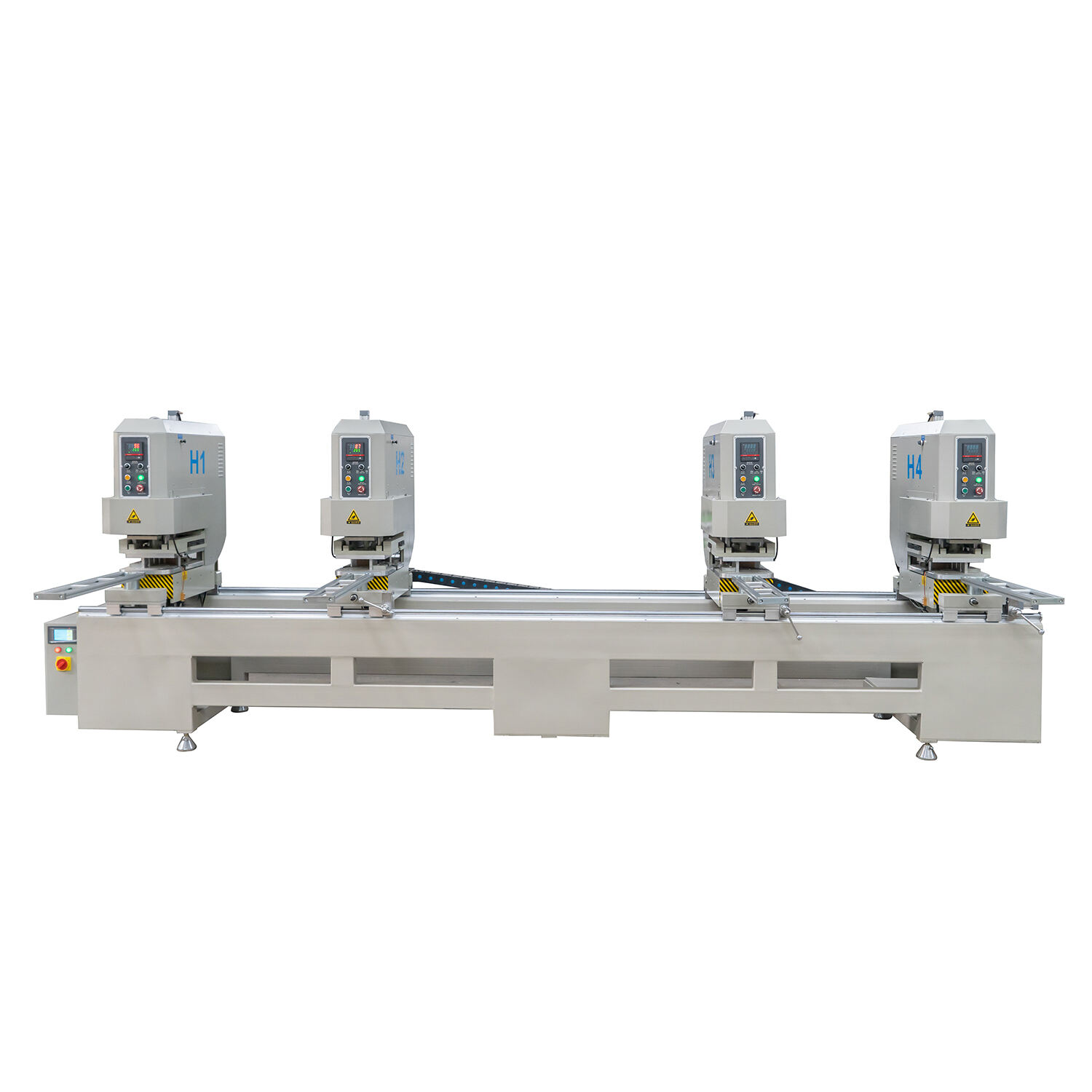
Primary Aluminum Alloys and Profiles for Window Machine Fabrication
Why 6063-T5 Aluminum Alloy Dominates Aluminum Window Machine Materials
When it comes to making window machines, most manufacturers go with 6063-T5 aluminum alloy because it strikes just the right balance between being strong enough for the job, easy to work with on machines, and resistant to rust and corrosion over time. The material can handle really tight tolerances below 0.1mm, something that matters a lot when working with computer controlled manufacturing equipment. Plus, it gives great surfaces for things like anodizing or applying powder coatings without any issues. Compared to stronger options like 6061 aluminum, which tends to be harder on cutting tools, 6063-T5 lets machinists get cleaner cuts without wearing down their equipment so fast. And there's another bonus too: with its thermal conductivity rating around 209 W per meter Kelvin, this alloy doesn't warp much when exposed to heat during rapid machining processes, keeping parts consistent throughout entire production batches.
Aluminum Extrusion Profiles: Precision, Tolerance, and System Integration
Precision extrusion profiles are engineered to maintain tight tolerances of ±0.15mm, ensuring consistent performance in CNC window machinery. Multi-chamber designs distribute mechanical stress evenly, reducing vibration and enhancing structural stability. These profiles integrate seamlessly with automated systems through standardized connectors and offer key advantages:
- Compatibility with wear-resistant guide rails and bearing housings
- Up to 35% weight reduction compared to steel counterparts
- Minimal post-processing requirements, improving production efficiency
Their modular nature allows easy upgrades to existing equipment without major reconfiguration, supporting long-term adaptability in high-volume manufacturing environments.
Material Standards and Compliance for Reliable Aluminum Window Machine Materials
GB/T 5237-2008 Certification and Its Impact on Performance Consistency
Architectural aluminum profiles for window fabrication must meet the requirements set out in GB/T 5237-2008 standard. This regulation keeps tight control on what goes into the alloy mix, especially looking at silicon and magnesium content. When manufacturers follow these guidelines, they get materials that can handle at least 160 MPa tension force and stretch without breaking by around 8%. These specs help create parts that last longer and keep their shape better during processing. The certification process actually cuts down on factory mistakes by about 15% because the metal is more uniform throughout and fits together much closer. Better material quality means CNC machines work more accurately too. Frames end up aligned within just 0.1mm difference, which matters a lot when trying to make windows that won't leak water.
A00 Aluminum Ingot Purity Requirements and Trace Element Control
The foundation for high performance aluminum window machine components lies in A00 grade aluminum ingots containing around 99.7% pure aluminum. Manufacturers impose strict restrictions on trace elements such as iron content under 0.20% and silicon levels below 0.10%. These controls help prevent stress cracks during the extrusion process while maintaining consistent mechanical characteristics throughout the material. Keeping total impurities beneath 0.15% ensures good thermal conductivity at approximately 209 W/m K and maintains resistance against corrosion in various machine parts. When suppliers source their ingots through third party verification processes, they typically see a reduction of about 40% in oxide inclusions. This makes a real difference in how long critical components like cutting heads and guide rails last before showing signs of wear. With proper metallurgical management, these machines can run reliably for over 50 thousand cycles in automated production environments without experiencing structural failures.
Hybrid Structural Components Enhancing Durability and Precision
Steel-Aluminum Composite Frames in CNC-Based Aluminum Window Machines
When combining steel and aluminum in frame construction, manufacturers get the advantages of both metals. Steel adds strength where it matters most like at spindle mounts and gantry structures, whereas aluminum helps keep things light overall. These mixed material designs cut down on vibration issues by around 30 percent when running at high speeds compared with frames made entirely from aluminum, which helps maintain accurate cuts throughout the machining process. What this means practically is that machines stay within tight tolerances of about plus or minus 0.05 millimeters even after long periods of operation. This kind of consistent performance not only makes equipment last longer but also produces better quality parts for those CNC window manufacturing operations.
Wear-Resistant Guide Rails, Bearings, and Tooling Materials
Critical motion parts need to handle constant running and deal with all that abrasive aluminum swarf. That's why manufacturers turn to advanced materials for these components. Take case-hardened steel guide rails with chromium plating for instance they stand up to wear and tear about 60 percent better than regular carbon steel does. Then there are those self lubricating polymer composite bearings that keep working even when dust gets everywhere and nobody remembers to oil them. And let's not forget tungsten carbide cutting tools which outlast high speed steel ones by roughly three times when dealing with tough aluminum alloys. All these smart material decisions mean factories see around 40% fewer unexpected shutdowns. The result? Higher productivity rates and significantly reduced costs over time, especially important in the competitive world of industrial window production where every minute counts.
Thermal Break and Energy-Efficiency Considerations in Material Selection
Thermal breaks help boost energy efficiency by stopping heat from moving through aluminum parts where it shouldn't. Manufacturers install insulating materials like polyamide strips, polyurethane foam, or extruded polystyrene (XPS) between aluminum sections to cut down on thermal bridging issues. XPS stands out especially well in places where humidity is a problem because it doesn't absorb moisture and keeps performing consistently even when wet. When working with windows, engineers often pick special aluminum alloys that expand less when heated. This helps keep everything dimensionally accurate during the extrusion process at high temps, so those tiny deformations don't end up messing with the insulation properties of finished products. Another trick worth mentioning is the use of composite guides that resist wear. These components significantly cut down on heat generated by friction inside CNC machines, which not only saves around 15% in energy costs but also means these machines last longer before needing replacement.
| Material | Key Property | Machine Application Benefit |
|---|---|---|
| Polyamide Strips | High mechanical strength | Stable thermal break assembly |
| XPS | Moisture resistance | Consistent performance in humidity |
| Low-expansion Alloys | Thermal stability | Precision extrusion tolerance control |
The strategic selection of these materials not only enhances machine performance but also contributes to energy-efficient window systems in end-use buildings, demonstrating how material decisions in fabrication equipment directly influence sustainable building outcomes.
Frequently Asked Questions
What is the main benefit of using 6063-T5 aluminum alloy in window machine fabrication?
The 6063-T5 aluminum alloy is favored for its excellent balance of strength, machinability, and corrosion resistance, making it ideal for high-precision applications in window machine fabrication.
Why is precision important in aluminum extrusion profiles?
Precision ensures consistent performance, reduced vibration, and enhanced structural stability, which are critical for the smooth operation of CNC window machinery.
What role do hybrid structural components play in CNC-based aluminum window machines?
Hybrid components, combining steel and aluminum, provide enhanced strength and reduced vibration, ensuring accurate cuts and longer-lasting machinery.
How do thermal breaks contribute to energy efficiency in aluminum window systems?
Thermal breaks prevent heat transfer through aluminum parts, improving insulation and reducing energy costs in building applications.
Table of Contents
- Primary Aluminum Alloys and Profiles for Window Machine Fabrication
- Material Standards and Compliance for Reliable Aluminum Window Machine Materials
- Hybrid Structural Components Enhancing Durability and Precision
-
Thermal Break and Energy-Efficiency Considerations in Material Selection
- Frequently Asked Questions
- What is the main benefit of using 6063-T5 aluminum alloy in window machine fabrication?
- Why is precision important in aluminum extrusion profiles?
- What role do hybrid structural components play in CNC-based aluminum window machines?
- How do thermal breaks contribute to energy efficiency in aluminum window systems?