 EN
EN

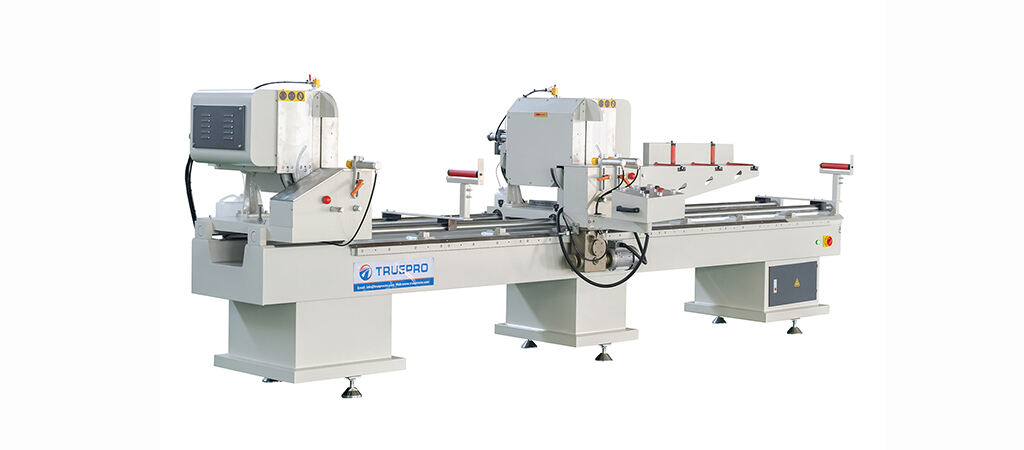
Why WIP Accumulates in High-Mix Window Production WIP Control
Customization-Driven Variability and Its Impact on Flow Predictability
Custom window manufacturing faces challenges when dealing with all those different specs customers want these days. Every job comes with its own size requirements, special glass options, and hardware arrangements that just don't fit into regular production flows. This creates problems throughout the factory floor where work piles up at certain points. Take for instance those triple pane units we get occasionally. They take forever to seal properly compared to normal double panes, which holds everything else back in the assembly line. Factories without good systems to track what's happening with unfinished products end up facing serious delays. Lead times stretch out anywhere from 25% to almost half again as long, and storage costs go up around 18% according to industry data from last year. These kinds of fluctuations make it really tough to plan how much capacity is needed at any given time. We tend to produce too much stuff early on just to be safe, which only makes the inventory pileup worse. The best approach seems to be implementing flexible scheduling methods along with balanced production models that can handle multiple product types without breaking lean manufacturing principles.
Low-Volume, High-Variant Changeovers That Disrupt Takt Time and Trigger Buffer Bloat
Product changeovers happen all the time in manufacturing shops these days, sometimes over 15 different setups just during one shift alone. Each switch takes around 20 to 30 minutes for machine retooling and getting quality systems back online. What happens next is pretty common across plants everywhere - operators start building up extra inventory before those changeover spots because they know things will slow down. Pretty soon those buffer zones become massive stockpiles, often reaching double or triple what makes sense for operations. Capital gets tied up in excess materials and valuable factory floor space disappears under mountains of parts waiting their turn. The numbers tell a story too: facilities running more than 50 changeovers a day tend to have nearly twice as much work in progress compared to standard operations according to recent lean studies. This phenomenon called "buffer bloat" hides real problems in the system and actually raises chances of product damage during handling. Smart manufacturers implement solutions such as SMED methods which can slash setup times by almost three quarters when properly applied. Standardized procedures also help keep production flowing smoothly even with frequent changes, making it possible to maintain custom options while still seeing through the fog of work in process in fenestration manufacturing.
Real-Time WIP Tracking for High-Mix Window Production WIP Control
Shifting from Static BOM-Based Counts to Dynamic Process-Stage Tagging
Standard bill of materials tracking just doesn't cut it anymore when dealing with those complicated high mix production situations where constant customization creates all sorts of variations. When there are so many different changeovers happening constantly, it gets really hard to see what's actually going on in real time. That's where dynamic process stage tagging comes in handy. Basically, we put these digital tags at each workstation along the line cutting, welding, glazing whatever needs doing. This lets us track each individual custom window right down to the smallest detail. What happens next? Well, manufacturers gain actual visibility into where things get stuck. Like spotting that CNC machine backup causing delays in welding operations. According to Industry Benchmark data from last year, problems get spotted about 92 percent quicker compared to old fashioned paper logs. And the benefits don't stop there. Companies report getting rid of those mysterious phantom work in progress items and seeing around 18% less inventory buildup in their make to order processes.
RFID and Edge Sensor Integration for Granular, Low-Latency WIP Visibility
When RFID tags work together with edge computing sensors, they form what we call a self reporting WIP system. Every single window part sends information about where it is and what stage it's at, starting from machining right through to quality checks. The local data processing happens so fast that there's barely any delay, maybe just under two seconds at most. This kind of quick response makes all the difference when dealing with problems on the welding lines or delays in glass cutting operations. Getting accurate position readings down to the centimeter level really helps in big manufacturing spaces, reducing the time spent looking for missing parts by around three quarters according to our tests. And those real time alerts matter too. Think about automatic messages going straight to glazing stations whenever welded frames get close enough to their storage areas. These warnings stop production lines from running dry further down the chain. Such detailed tracking lets companies keep inventory levels low while still being able to handle special orders that need faster turnaround times than usual.
Lean WIP Management Strategies Tailored to Custom Window Manufacturing
Strategic Decoupling Buffers at Critical Junctions: CNC – Welding – Glazing – QA
Custom window manufacturing faces inherent flow disruptions due to uneven processing times across fabrication stages. Strategic decoupling buffers–placed after CNC cutting, welding, and glazing–absorb variability while preventing cross-stage bottlenecks. For instance:
- A buffer after CNC machining accommodates variable cutting times for custom frame profiles
- Welding-stage buffers account for differing joint complexities
- Pre-QA buffers allow inspection pacing without halting glazing
Based on 2023 cycle-time studies, capping these buffers at 3–5 units reduces average WIP by 22% while sustaining throughput. Crucially, these buffers operate as pull signals: downstream stations draw only when capacity frees–directly reinforcing lean inventory principles for custom window lines.
Validating WIP Reduction with Digital Twin Simulations of Make-to-Order Scenarios
Digital twins enable manufacturers to rigorously test WIP control strategies before physical implementation. By simulating realistic make-to-order conditions–including seasonal demand spikes or extended custom glass lead times–factories can:
- Quantify how buffer sizing affects overall flow efficiency
- Surface hidden constraints in mixed-model assembly
- Optimize kanban trigger points using historical bottleneck data
A 2023 analysis across 12 fenestration plants showed digital twin-validated configurations reduced WIP by 18% on average. Simulations also cut physical trial costs by 47%, accurately predicting how sequencing rules impact real-time WIP monitoring in window manufacturing.
FAQ
What is WIP in manufacturing?
WIP stands for work-in-progress. It refers to the items that are in various stages of production but not yet finished. In high-mix window production, controlling WIP is crucial due to various customizations and changeovers.
How does RFID help in WIP tracking?
RFID tags enable real-time tracking of each window part's location and stage in the production process. This system, paired with edge computing sensors, offers quick data processing and greatly improves WIP visibility.
What are strategic decoupling buffers?
Strategic decoupling buffers are placed after key stages like CNC cutting, welding, and glazing. They absorb variability, preventing bottlenecks while maintaining lean inventory principles.