 EN
EN

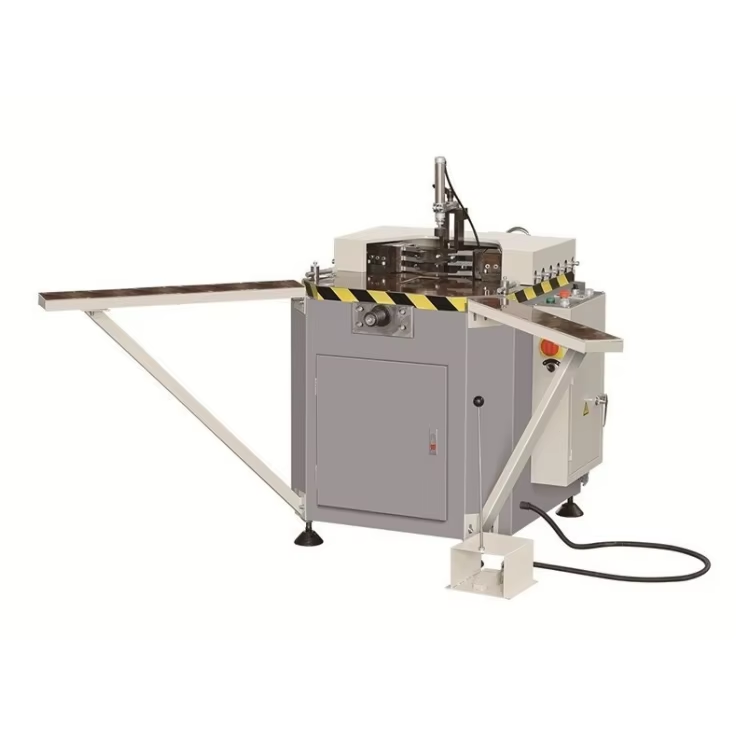
The Energy-Throughput Relationship: Why Higher Bending Machine Capacity Lowers Carbon Footprint Per Unit
Fixed vs. Variable Energy Allocation in CNC Aluminium Bending Lines
The energy consumption of CNC aluminium bending lines comes from two main sources: fixed and variable components. Fixed energy keeps things running when machines are idle, powering control panels, hydraulic systems, and shop lighting no matter what's happening on the production floor. These baseline functions usually take up around 30 to 40 percent of all energy used in the process. Then there's variable energy which goes up as production ramps up, covering things like motor movements and the actual bending of materials. When manufacturers increase their bending capacity, they're essentially spreading those fixed costs over more products, which means each individual unit carries a smaller environmental burden. Take a standard 500 ton press for instance. It draws about 15 kilowatts just sitting there waiting to work, whether it's making 10 parts an hour or cranking out 100. Industry studies show that keeping these machines busy rather than letting them sit idle can cut down carbon emissions per part by nearly a quarter compared to running them at lower volumes. This makes sense for both sustainability goals and bottom line considerations in aluminum fabrication shops everywhere.
Diminishing Energy per Part at Scale: Physics and Operational Evidence
Looking at how thermodynamics work along with real world data, we find that the amount of energy needed per part actually goes down in an interesting way when bending machines start running closer to full capacity. When making another item, there's just a tiny bit less energy required because of something called operational inertia. The servo motors keep things warm enough so they don't need constant reheating, and when production flows continuously, there's less wasted energy from machines sitting idle. Manufacturers see around an 18 to 27 percent drop in energy consumption per unit when their machines hit about 80% utilization compared to when they're only at 40%. Some newer high volume bending equipment even includes systems that capture energy during slowdowns and reuse it later, which cuts down on overall power needs. A company actually saw their carbon footprint shrink by roughly 24% for each window frame produced after switching to these advanced benders, showing clearly that environmental benefits grow as production scales up.
Operational Strategies That Amplify Carbon Efficiency at High Bending Machine Capacity
Continuous Flow Optimization: Reducing Idle-Time Emissions by Up to 37%
When manufacturers optimize their continuous flow processes, they cut down on wasted energy by making sure materials move smoothly between stages and actual bending work happens at the same time. Let's face it, machines sitting idle eat up around 15 to 30 percent of all the energy used during peak hours while just spinning their wheels instead of making products. This wasted time directly adds to the carbon footprint of those expensive bending machines. Factories that streamline their workflow with better scheduling systems and shorter setup times between different jobs see their equipment running almost constantly. The result? Those fixed energy costs get spread out over many more finished parts rather than sitting idle. Some recent research looking at how aluminum fabrication shops scale production shows real results too - companies adopting these methods have seen as much as a 37% drop in emissions per part produced. What works best for most plants includes several key strategies such as...
- Sequencing compatible aluminum profiles to eliminate tooling adjustments
- Integrating IoT sensors to trigger downstream processes during bending cycles
- Adopting bufferless conveyor systems that maintain motion during micro-pauses
Regenerative Braking and Servo-Motor Intelligence in Modern High-Throughput Lines
Modern servo drive systems actually capture the energy lost during deceleration through what's called regenerative braking. When those big presses stop moving or spinning parts come to rest, the system turns that kinetic energy back into electricity that can be used again. We've seen numbers around 18 to 22 percent reduction in total energy usage for each bending cycle on large machines. Combine this with smart servo motors powered by artificial intelligence that adjust torque depending on how thick the material is and what kind of metal alloy we're working with, and suddenly we're talking about some serious improvements in environmental performance. The whole setup just works better together than any single component could achieve alone.
- Smart motors detect hardness variations mid-bend and adjust power dynamically
- Energy recovery modules capture over 75% of braking momentum in presses rated at 800 tons or more
- Predictive algorithms anticipate resistance spikes, avoiding energy-intensive compensation surges
Beyond Nameplate Ratings: Measuring Real-World Bending Machine Capacity Carbon Footprint
Why Peak Capacity Alone Misleads Sustainability Assessments
Most manufacturers think that the rated capacity listed on a bending machine means it will be just as efficient at cutting carbon emissions. But when we look at actual operations, there are big gaps between what's promised and what happens on the factory floor. Machines run under their maximum potential around 42 percent of the time because workers need to change setups, do maintenance work, or deal with inconsistent materials according to research published by IMechE last year. This downtime actually increases carbon emissions for each product made. Recent studies conducted among aluminum fabrication original equipment manufacturers in 2024 reveal even more concerning trends regarding this mismatch between expectations and reality.
| Metric | Peak Capacity Claim | Real-World Average | Impact on CO₂e/Unit |
|---|---|---|---|
| Utilization Rate | 95% | 58% | +31% |
| Energy per bend (kWh) | 0.85 | 1.12 | +24% |
| OEE (Overall Equipment Effectiveness) | 90% | 63% | +29% carbon intensity |
The problem comes down to those hidden factors nobody really accounts for, especially when machines start up and shut down. These processes actually eat up between 15 and 22 percent more energy compared to when everything runs smoothly at steady state. Take one recent audit for example: machines advertised to handle 120 bends per hour were only managing around 83 in reality. That discrepancy means each window frame component ends up carrying about 19% more embedded energy than expected. Companies need to get serious about tracking real performance through IoT sensors and proper power monitoring systems. And let's not forget about all those extra components either, like coolant pumps that run constantly but rarely factor into calculations. Failing to measure these things properly can lead to sustainability reports that miss the mark by anywhere from 25 to 37% on big production lines. For manufacturers wanting genuine environmental improvements, it's essential to look at actual usage patterns over time rather than relying solely on manufacturer specs or theoretical capacity numbers.
FAQs
Why does higher bending machine capacity lower the carbon footprint per unit?
As bending machine capacity increases, fixed energy costs are distributed over a larger number of units, reducing the environmental impact per unit produced.
What is the difference between fixed and variable energy in bending machines?
Fixed energy powers components that run continually even when idle, while variable energy increases with production activity such as motor movements and material bending.
How does continuous flow optimization reduce emissions?
Optimizing continuous flow processes reduces idle time, thereby lowering the energy wasted during peak hours and decreasing the carbon footprint.
What are regenerative braking and servo-motor intelligence?
Regenerative braking recycles energy lost during deceleration, while servo-motor intelligence adjusts power based on material characteristics for improved efficiency.
Why might peak capacity claims be misleading for sustainability assessments?
Peak capacity ratings often don't reflect real-world usage; machines operate below maximum capacity due to various operational factors, leading to higher carbon emissions per product.
Table of Contents
- The Energy-Throughput Relationship: Why Higher Bending Machine Capacity Lowers Carbon Footprint Per Unit
- Operational Strategies That Amplify Carbon Efficiency at High Bending Machine Capacity
- Beyond Nameplate Ratings: Measuring Real-World Bending Machine Capacity Carbon Footprint
-
FAQs
- Why does higher bending machine capacity lower the carbon footprint per unit?
- What is the difference between fixed and variable energy in bending machines?
- How does continuous flow optimization reduce emissions?
- What are regenerative braking and servo-motor intelligence?
- Why might peak capacity claims be misleading for sustainability assessments?