 EN
EN

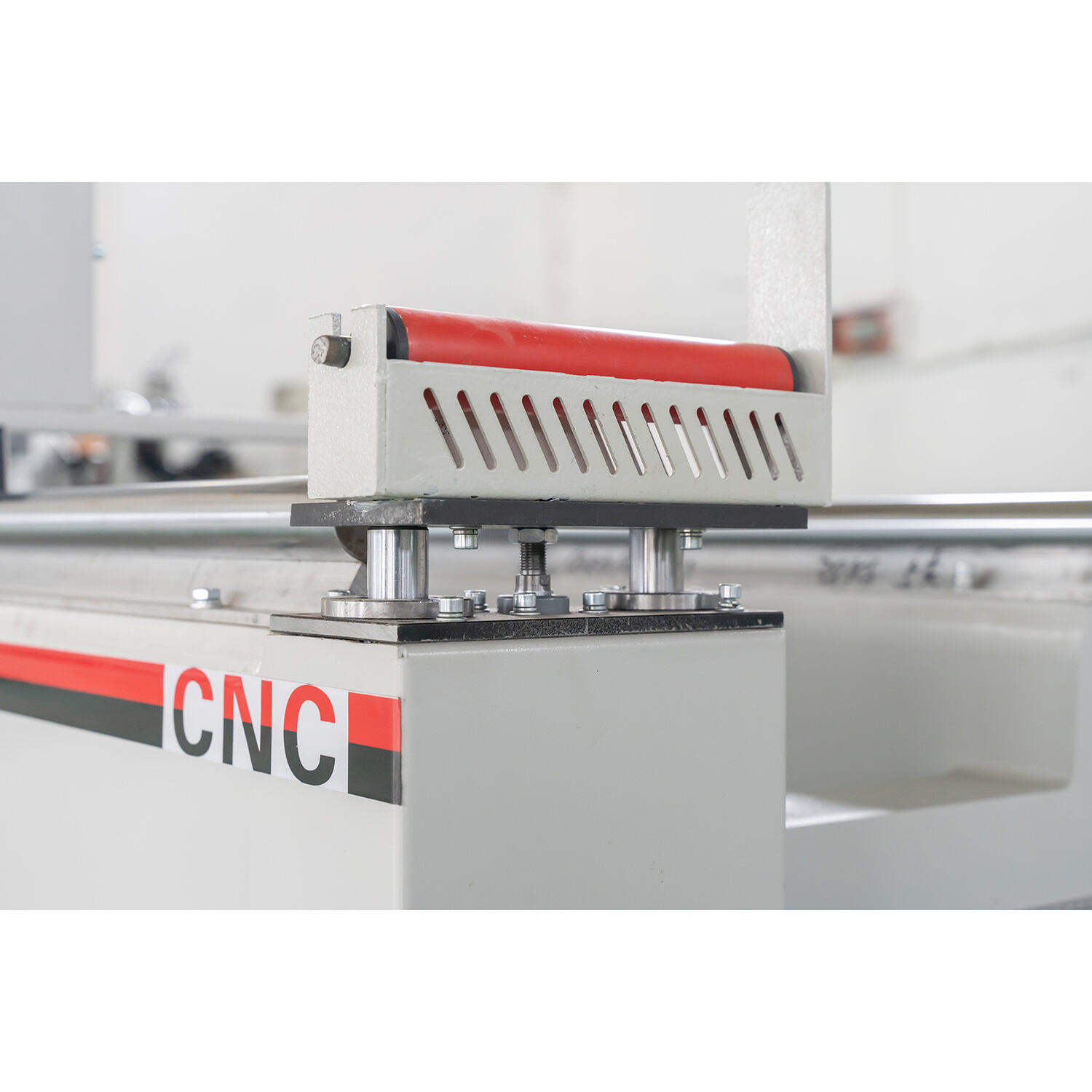
Why Precise 90 Degree Aluminum Frame Assembly Is Critical for Performance and Compliance
How angular deviations >0.15° undermine structural integrity, weather sealing, and certification (EN 14351-1, AAMA 101)
When angles are off by more than 0.15 degrees, they mess up how stress spreads through aluminum frame joints. This leads to parts breaking down faster, sometimes as much as 40% quicker according to those computer models engineers run. What's worse, these small angle problems create gaps in the weather sealing too. Those tiny spaces let in way more moisture compared to properly aligned frames, roughly triple the amount actually. Building codes matter here too. Standards like EN 14351-1 from 2020 and AAMA 101 updated in 2018 set strict limits at plus or minus 0.1 degree for commercial windows. If manufacturers go beyond that limit, all sorts of problems follow. Certifications get thrown out, warranties become worthless, and buildings might fail inspections. This is particularly bad news for areas hit by hurricanes since windows need to handle wind loads evenly distributed across their surfaces.
Field failure correlation: Squareness control as the top predictor of post-installation leakage and warpage (47 OEM audit dataset)
Looking at 47 OEM field failures from 2023 shows that poor squareness control was behind about 78 percent of leaks after installation and accounted for nearly all (92%) of the thermal warping problems we see. When manufacturers keep their assemblies within just under 0.1 degree of angular accuracy during production, they tend to get around 60% fewer service calls over five years. What stands out most is how critical squareness actually is compared to things like material thickness or even sealant quality when it comes to predicting how well something will hold up long term. The worse the warping gets, the faster costs rise too – anything past 0.2 degrees starts causing serious trouble. Companies that monitor angles in real time while doing crimping operations save themselves roughly $740,000 on maintenance expenses each year across their facilities, based on findings from Ponemon's latest industry benchmarks.
Precision Fixture Design for Consistent 90 Degree Aluminum Frame Assembly
Kinematic vs. over-constrained clamping: Repeatability impact on angular accuracy (±0.08° vs. ±0.22°)
Kinematic clamping gets around 0.08 degrees of angular repeatability because it limits how many contact points there are, which helps prevent deformation caused by stress. This is really important stuff when working with those soft aluminum materials that have low modulus ratings. On the flip side, when using over-constrained fixtures, too much clamping pressure ends up creating about 0.22 degree deviations. These tiny differences show up as noticeable gaps in miter joints after assembly. Looking at actual field measurements from several manufacturers, we find that switching to kinematic systems cuts down on post assembly warping by roughly two thirds compared to traditional rigid clamping methods. The result? Better overall structural strength and improved weatherproofing for window and door systems in buildings.
Three-point mounting principles and thermal drift compensation in aluminum-specific jigs
The three point mounting system stops components from being over constrained because it allows for natural alignment while dealing with aluminum's tendency to expand when heated (about 23 micrometers per meter per degree Celsius). Modern jig designs incorporate contact points made from invar alloy, which behaves similarly to aluminum under heat changes. These setups also come equipped with temperature sensors that make tiny adjustments on the fly. The result? Active compensation against thermal drift keeps angular accuracy below 0.1 degrees even when temperatures fluctuate around the workshop. When properly set up, these three point systems reduce squareness errors caused by temperature changes by nearly 80% compared to traditional fixed fixtures. This makes all the difference for maintaining consistent crimp quality throughout automated production lines.
Real-Time Angular Monitoring and Closed-Loop Correction in Crimping Cells
Laser triangulation integration for in-process squareness feedback (Schüco AFX-750 case study)
When laser triangulation sensors get built into crimping cells, they allow for constant checking of those corner angles right in the middle of making those exact 90 degree aluminum frames. These sensors are positioned at right angles to each other and scan at around 200 times per second. They pick up any angle changes bigger than plus or minus 0.1 degrees, which is actually where problems start happening because weather seals stop working properly and structural warranties no longer apply according to EN 14351-1 standards. Looking specifically at how Schüco implemented this in their AFX-750 system, the real time sensor readings go straight to those motor driven parts that control the clamping force during operation. What we've seen from using this closed loop system instead of traditional methods? An impressive drop in angle drifting by about 83%. The machines keep everything within tight limits below 0.08 degrees even after running through over 15 thousand production cycles. Best part? No need for reworking defective pieces and fewer issues with warped components showing up later in the field, all while keeping production speeds exactly where they need to be.
Calibration & Maintenance Protocols to Sustain <0.1° Angular Accuracy Over Production Life
Traceable jig calibration using Grade 0 granite squares and autocollimators (ISO 230-1 compliant workflow)
Maintaining angular accuracy below 0.1 degrees is no small feat. It needs proper calibration that traces back to Grade 0 granite squares which are flat within about 0.0001 inches per foot, plus autocollimators that can spot tiny deviations down to less than 0.0005 degrees. According to ISO standard 230-1, we have to check everything every three months in temperature controlled rooms around 20 degrees Celsius give or take one degree. The math gets interesting here because we need to account for how aluminum expands when heated, specifically at a rate of 23 micrometers per meter per degree Celsius. After doing all this calibration work, validation comes next using those master frames as actual reference points. This helps make sure our measurements stay within 0.03 degrees of accuracy. Why does this matter? Because if errors build up over time in those crimping machines, it could lead to problems with weatherproof seals at those tricky miter joints where water might sneak in.
FAQ
Why is precise angular accuracy critical in aluminum frame assembly?
Precise angular accuracy is critical because deviations beyond 0.15 degrees can undermine structural integrity and weather sealing, affecting standards and certifications such as EN 14351-1 and AAMA 101.
How does poor squareness control affect window performance?
Poor squareness control can lead to leakage and thermal warping, making frames less durable. Maintaining squareness within 0.1 degrees can reduce post-installation issues significantly.
What are the benefits of using kinematic over-constrained fixtures?
Kinematic fixtures offer better angular repeatability, reduce stress deformation, and enhance structural strength compared to over-constrained fixtures.
How do laser triangulation sensors improve frame assembly accuracy?
These sensors provide real-time angular monitoring, reducing angle drifting and maintaining accuracy below 0.08 degrees, thus enhancing production quality and speed.
How is angular accuracy sustained over production life?
Through traceable jig calibration using Grade 0 granite squares and autocollimators, along with a controlled environment, angular accuracy below 0.1 degrees can be sustained.
Table of Contents
- Why Precise 90 Degree Aluminum Frame Assembly Is Critical for Performance and Compliance
- Precision Fixture Design for Consistent 90 Degree Aluminum Frame Assembly
- Real-Time Angular Monitoring and Closed-Loop Correction in Crimping Cells
- Calibration & Maintenance Protocols to Sustain <0.1° Angular Accuracy Over Production Life
-
FAQ
- Why is precise angular accuracy critical in aluminum frame assembly?
- How does poor squareness control affect window performance?
- What are the benefits of using kinematic over-constrained fixtures?
- How do laser triangulation sensors improve frame assembly accuracy?
- How is angular accuracy sustained over production life?