 EN
EN

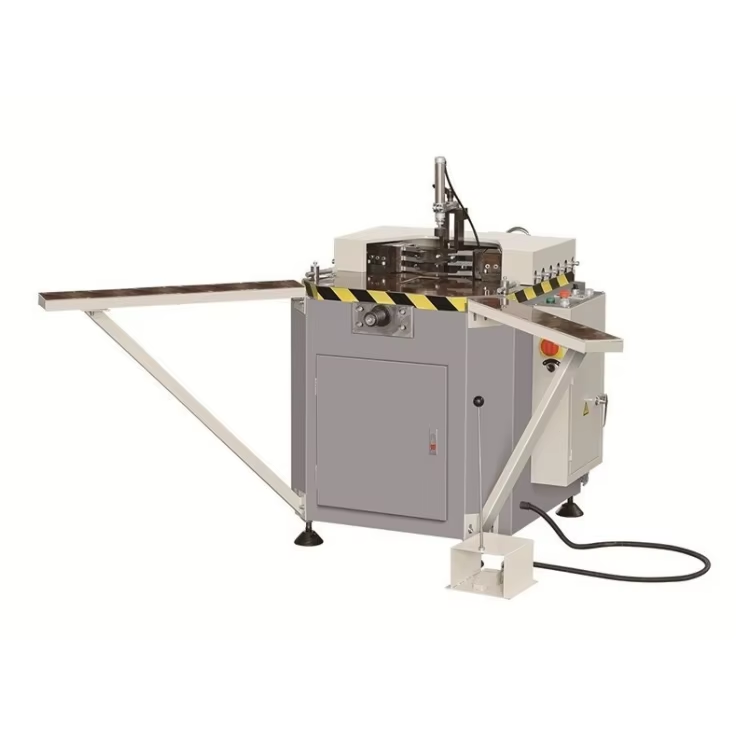
Identifying Critical Rotating Hazards in CNC Bending Machines
Entanglement, shear, and pinch points: spindle, roller clutch, and wrench head mechanics
Most CNC bending machines have several moving parts that create serious safety issues while they're running. Take the spindle assembly for instance it spins really fast to power those bending tools, which means anything loose like clothes or hair gets caught easily. Then there are those roller clutches in the drive system that create real danger zones where fingers or hands could get smashed between spinning gears. And don't forget about the wrench head area either. When changing tools, the hydraulic pressure activates those clamping jaws and creates nasty pinch points that workers sometimes overlook. All these moving parts need proper protection because if left exposed, they can cut off limbs in a flash. To keep operators safe around these automated systems, the first step is to block access to all these energy sources using solid guards that stay in place during normal machine operation cycles.
OSHA 2023 data insight: 62% of CNC bending machine injuries linked to rotating part contact
The latest OSHA injury data from 2023 shows that about 62 percent of accidents in CNC bending shops happen because workers get caught in rotating parts. Most serious injuries come from getting entangled or crushed near spindles, drive systems, and where tools connect to machines. These numbers really highlight why keeping hands away from moving tools is so important for safety. Even just a few seconds of contact while doing maintenance work or clearing jams can lead to terrible injuries if lockout/tagout procedures aren't followed properly. Many experienced operators know this all too well after seeing what happens when someone gets too close to those spinning components.
Engineering Controls for Rotating Tool Safety on CNC Bending Machines
ISO 13857-Compliant Guarding Strategies: Fixed, Interlocked, and Adjustable Solutions
Putting up physical barriers according to ISO 13857 safety standards keeps workers from getting too close to dangerous parts like spinning spindles and drive trains. Some setups have fixed guards that completely cover areas where accidents happen most often, such as around roller clutches. There are also special interlocked guards that shut off power automatically whenever someone opens them for maintenance work. For different sized workpieces, adjustable guards can be modified without losing their protective function. Manufacturing plants that follow these engineering control guidelines see about a 38 percent drop in injuries related to rotating tools compared to facilities that just rely on written safety procedures. This makes sense since actual physical protection is generally more reliable than expecting everyone to remember every rule all the time.
Curtain Guards vs. Perimeter Fencing in Automated Bending Cells: Balancing Access and Risk Reduction
Curtain guards (transparent polymer strips) allow visual monitoring of automated bending processes while blocking debris and accidental reach-ins. Perimeter fencing creates full physical separation, ideal for robotic cells with minimal human intervention. Key considerations include:
- Access Needs: Curtains enable faster die changes but require stricter access protocols
- Risk Level: Fencing is mandatory for zones with continuous rotation exceeding 15 RPM
- Maintenance Impact: Interlocked fencing gates simplify tooling adjustments
A 2023 study found perimeter fencing reduced entanglement incidents by 72% in high-volume production, whereas curtain systems lowered ergonomic strain during frequent material handling by 41%. Select guarding based on workflow frequency and hazard severity.
Procedural Safeguards to Prevent Rotating-Tool Incidents During CNC Bending Operations
Lockout/Tagout (LOTO) best practices for hydraulic rams and drive trains in multi-shift facilities
When working on hydraulic rams and drivetrains, following strict Lockout/Tagout (LOTO) rules is absolutely critical for worker safety. For facilities running multiple shifts throughout the day, standard operating procedures need to check energy sources first using pressure gauges and voltmeters before anyone puts on their personal lock devices. Maintenance personnel must make sure to block off every possible power path, including those hidden pockets of hydraulic pressure stored in accumulators, by installing the right kind of blanking plates as specified by equipment manufacturers. Regular facility wide LOTO checks happen quarterly to catch any deviations from proper procedure over time. Color coded lock stations help avoid confusion between different shifts especially during complicated maintenance tasks where several people might be involved simultaneously.
E-stop integration standards: placement, redundancy, and <200ms response for rotating tool cessation
Proper emergency stop systems need to be placed no more than 600 mm away from where operators work and around material handling areas. The mushroom buttons should be positioned so workers can hit them with their palms easily. These systems have built-in redundancies through contact blocks and monitored circuits that keep everything working even if one part fails. The stopping time needs to be under 200 milliseconds to stop dangerous rotations before they complete even an eighth of a turn after someone hits the button. Testing these systems regularly is critical too. Mechanics should check the torque on those clutch disengagement parts and make sure the backup power supplies are functioning properly. When all else fails, this fast stop feature combined with anti-restart safeguards becomes our final protection against accidents involving rotating tools, especially when other safety measures aren't enough.
Human-Centered Safety: PPE, Ergonomics, and Behavior-Based Risk Mitigation for CNC Bending Machine Operator Safety
Keeping CNC bending machine operators safe involves focusing on three main areas that actually matter to people working these machines every day. First off, personal protective equipment isn't optional at all. Safety glasses that can handle impacts stop those little bits of metal from flying into eyes, which happens more often than anyone wants to admit. Anti-vibration gloves make a real difference too when workers are constantly moving materials around, as they cut down on hand and arm fatigue over time. And let's not forget about hearing protection since the noise levels get way past 85 dB pretty quickly in most shops. The second thing is about how machines are set up for comfort. Workstations that adjust to different heights help operators avoid twisting themselves into uncomfortable positions when changing tools. Emergency stops need to be somewhere everyone can reach easily without having to think about it first. Finally, there are those daily habits and procedures that actually shape what happens on the floor. People tend to take shortcuts sometimes, but good training programs remind them why certain steps exist in the first place.
- Hands-on simulations of entanglement scenarios using de-energized machines build muscle memory
- Near-miss reporting systems with anonymized data tracking
- Quarterly safety refreshers reinforcing how rotating-part contact drives the majority of injuries
This triad transforms compliance into culture, where engineering controls and procedural safeguards are reinforced by empowered, situationally-aware operators.
FAQ Section
What are the main hazards associated with CNC bending machines?
The main hazards include entanglement in rotating parts, shear injuries from roller clutches, and pinch points around wrench head mechanics.
How can workplace injuries from CNC machines be minimized?
Injuries can be minimized by implementing physical safety barriers, following Lockout/Tagout (LOTO) procedures, using emergency stop systems, and ensuring personal protective equipment is worn.
What is the role of PPE in CNC bending machine operations?
Personal protective equipment like safety glasses, anti-vibration gloves, and hearing protection plays a crucial role in preventing injuries from flying debris, vibrations, and loud noise.
What does the OSHA 2023 data indicate about CNC machine injuries?
The OSHA 2023 data highlights that 62% of CNC machine injuries are due to contact with rotating parts, emphasizing the importance of safety measures and procedures.
Table of Contents
- Identifying Critical Rotating Hazards in CNC Bending Machines
- Engineering Controls for Rotating Tool Safety on CNC Bending Machines
- Procedural Safeguards to Prevent Rotating-Tool Incidents During CNC Bending Operations
- Human-Centered Safety: PPE, Ergonomics, and Behavior-Based Risk Mitigation for CNC Bending Machine Operator Safety
- FAQ Section