 EN
EN

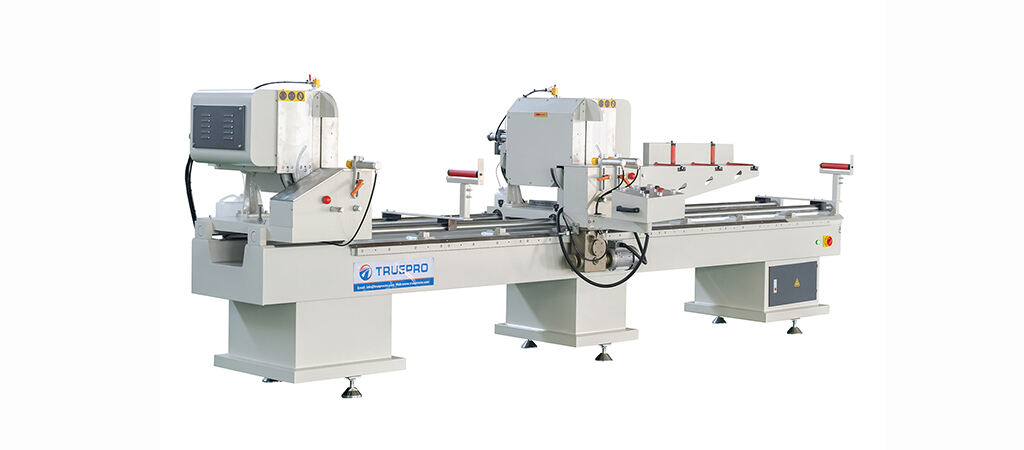
Why IGU Spacer Placement Accuracy Is Critical for Thermal, Structural, and Regulatory Performance
Getting the IGU spacer placement right is absolutely critical for how well an insulating glass unit works overall. When there are thermal deviations beyond about half a millimeter, we start seeing those pesky cold bridges form. These cold spots can actually raise U-factors by as much as 15%, plus they speed up the escape of argon gas which tends to be one of the main reasons seals fail over time. From a structural standpoint, when spacers aren't aligned properly, the stress gets distributed unevenly across the glass panels. That makes fractures more likely to happen when facing wind pressure or dealing with temperature changes. The end result? A shorter lasting product with reduced safety factors built in.
Regulatory compliance further mandates exact positioning. Standards like EN 1279-2 and ASTM E2190 require consistent spacer alignment to validate thermal performance ratings and air/water infiltration resistance. Non-conforming units risk project rejection, costly rework, and certification voids.
| Impact Dimension | Consequence of Inaccuracy | Performance Metric |
|---|---|---|
| Thermal | Increased heat transfer, condensation risk | U-value degradation 15% |
| Structural | Stress concentration, reduced load capacity | 20% higher fracture probability |
| Regulatory | Failed compliance testing | Project delays, certification loss |
Ultimately, spacer precision isn't merely a manufacturing metric—it's the linchpin ensuring energy efficiency, structural integrity, and market compliance.
Core Technologies Enabling High-Accuracy IGU Spacer Placement
Vision-guided insertion with sub-pixel fiducial tracking and dynamic path correction
Industrial vision systems can track those tiny fiducial markers down to within about 0.1 mm when locating spacer corners. The technology behind these systems includes some pretty smart path correction algorithms that actually tweak the robotic arms on the fly as they work. This helps compensate for slight differences in aluminum frame materials that inevitably show up during manufacturing. Without this kind of adjustment, spacers tend to shift while being handled something that becomes a big problem when alignment goes beyond just 0.3 mm off mark because it leads to way more argon leaking out than acceptable levels. Regular calibration checks are essential throughout different production runs to keep everything accurate over time, which ultimately makes a real difference in how well insulation performs months or even years after installation.
Real-time positional feedback systems compliant with ISO 12543-2 and EN 1279-2
Closed-loop feedback mechanisms verify spacer placement against international glazing standards ISO 12543-2 and EN 1279-2. Sensors monitor positional coordinates during butyl application, triggering micro-adjustments when deviations exceed ±0.25 mm. Thermal imaging confirms edge-seal continuity post-placement, eliminating costly rework while ensuring structural integrity under thermal stress.
Seamless Integration Between Aluminum Window Machines and IGU Lines
Synchronization protocols: Mechanical handoff timing, PLC-to-PLC data exchange, and tolerance stack-up management
Getting those aluminum machining systems to work smoothly with IGU assembly relies on three main synchronization protocols that keep everything running right. When robots move parts between stations, they need to time their handoffs just right, usually within half a second window or so, which keeps collisions from happening when glass units are being transferred. There's also this PLC communication thing going on where machines talk to each other in real time, adjusting parameters like spacer sizes based on what they see at the cutting stations regarding thermal expansion issues. Managing tolerance stacks is another key part of the process. By checking machining tolerances against how spacers should be placed, we avoid those little errors that add up over time thanks to some SPC math behind the scenes. All this integration means our IGU spacers stay accurate within about a quarter millimeter throughout production runs. That level of precision cuts down on argon leaks and keeps us compliant with those important standards like ISO 12543-2 and EN 1279-2. Plus, since we've removed all those manual steps between different parts of the system, there's no risk of damaging seals because someone messed up the alignment of thermal breaks somewhere along the line.
Validating and Sustaining IGU Spacer Placement Accuracy in Production
In-line laser triangulation and thermal imaging for closed-loop spacer position + butyl bead verification
Modern manufacturing setups are starting to incorporate laser triangulation tech for measuring where spacer bars sit, with accuracy down to about 0.1 mm. These systems generate live 3D images of every Insulating Glass Unit (IGU) being assembled. Alongside this non-contact measurement technique, thermal imaging cameras check if the butyl sealant is applied at the right temperature range, around 110 to 130 degrees Celsius, which keeps it at its best consistency. They also look at whether the seal forms a continuous line across the unit. All these measurements get sent to correction algorithms that work in real time, adjusting the robot arms placing components just before applying the second layer of sealant. By combining these two verification methods, manufacturers can ensure proper alignment of spacers while forming a solid moisture barrier. This setup removes the old problem where faster production often meant compromised seals, something that has plagued glass unit manufacturing for years.
Field-proven impact: How ±0.25 mm placement accuracy reduces argon loss by 27% over 10 years
How accurately those IGU spacers are placed really makes all the difference for how well the gas stays inside. Research has found that keeping things within a ±0.25 mm range cuts down on argon escaping to only about 0.8% per year instead of the usual 1.5% across the industry. That means roughly 27% less gas gets lost over time, which actually saves money in the long run because these windows keep their original insulation rating for more than ten years without suffering from that common 0.2 W/m²K drop in efficiency we see elsewhere. And it doesn't stop there either. When manufacturers stick to this tight spacing requirement, they also notice around 40% fewer problems with condensation forming between panes, making it pretty clear why investing in better placement technology pays off in the end.
Frequently Asked Questions
Why is spacer placement accuracy crucial for IGUs?
Spacer placement accuracy is critical because it affects thermal performance, structural integrity, and regulatory compliance of the insulating glass unit.
What technologies aid in achieving accurate spacer placement?
Technologies such as vision-guided insertion, real-time positional feedback systems, and in-line laser triangulation ensure high precision in spacer placement.
How does accurate spacer placement enhance thermal performance?
Proper placement minimizes cold bridges and argon loss, maintaining the insulation efficiency of the unit over time.
Table of Contents
- Why IGU Spacer Placement Accuracy Is Critical for Thermal, Structural, and Regulatory Performance
- Core Technologies Enabling High-Accuracy IGU Spacer Placement
- Seamless Integration Between Aluminum Window Machines and IGU Lines
- Validating and Sustaining IGU Spacer Placement Accuracy in Production
- Frequently Asked Questions