 EN
EN

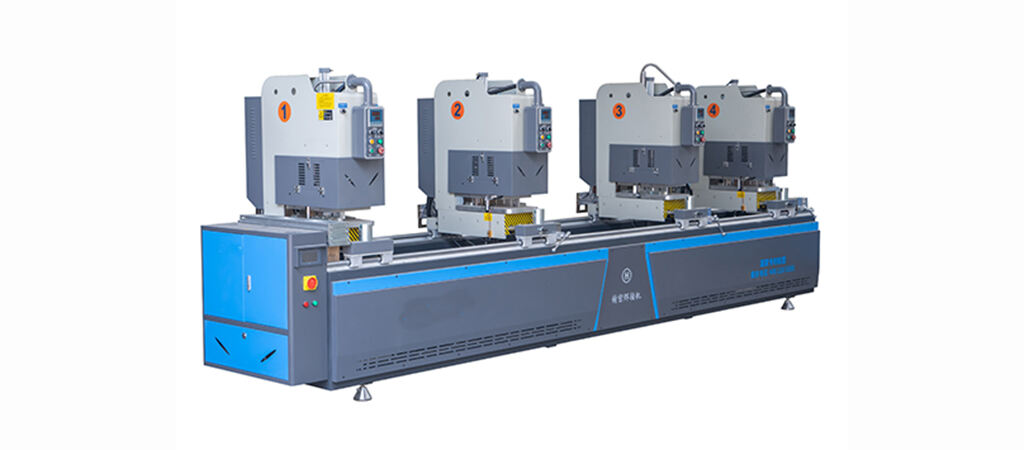
Core Connectivity Requirements for Industry 4.0âReady Aluminum Window Machines
IoT-Enabled Real-Time Monitoring and Edge Data Processing
Today's aluminum window manufacturing equipment uses IoT sensors to track important machine parameters during fast cutting operations for profiles as long as 3500mm. These include things like vibration levels, temperature limits, and how much pressure is being applied to the cutting spindles. The system processes all this information right at the machine itself through edge computing technology, which means it can respond within just a few milliseconds when something needs fixing or adjusting. This quick reaction time stops problems from developing in parts before they even get to the welding area further along the line. As a result, there's less wasted material and better accuracy down to fractions of a millimeter on complicated window shapes. According to findings published in last year's Smart Manufacturing Benchmark Report, factories using these local predictive alerts experience around 30% fewer unexpected shutdowns than those relying solely on cloud processing systems. This makes sense for anyone trying to keep their production running smoothly without constant interruptions.
Cloud-Native, IP-Based Control Systems for Remote Diagnostics and OEE Optimization
Control systems connected via IP networks bring aluminum window machines together on single cloud-based platforms where they can collect performance metrics from different parts of the production line. The good news is these setups make it possible to diagnose problems remotely. For instance, technicians can spot when there's a drop in pneumatic pressure or when motors start running less efficiently. They also let manufacturers look closely at Overall Equipment Effectiveness numbers to find trouble spots, like those annoying delays between tool changes during UPVC machining operations. According to recent studies published by automation experts, factories using these systems have seen their output jump by as much as 22%. Another major plus point comes from standardized IP protocols which work great with digital twin technology. This means companies can run simulations of their workflows without shutting down actual equipment for testing. Plus, these open standards prevent getting stuck with vendor-specific solutions, something that saves money over time as smart factories continue to evolve and expand.
Smart Manufacturing Technologies That Enhance Aluminum Window Machine Performance
Predictive Maintenance Powered by Vibration and Thermal Analytics
When we look at vibration analysis combined with thermal monitoring, what we see is a complete shift from just fixing things after they break to actually predicting problems before they happen. The sensors keep running all the time, catching those little warning signs in spindle bearings, drive systems, and motor windings long before anything serious happens. They spot issues like when parts start to misalign, lubricants begin to degrade, or temperatures get dangerously high. According to studies done by the International Aluminium Institute, companies using these methods report around 40 fewer unexpected shutdowns each year and their machines last about 25% longer overall. What's really important here is how this lets maintenance teams plan better when to replace parts and schedule repairs. Some factories have seen their output jump by nearly 30% since implementing these practices back in 2023, all while keeping production lines running smoothly and ensuring product quality stays consistent.
Digital Twins for Simulating and Optimizing Aluminum Profile Machining Cycles
Digital twin technology creates virtual copies of aluminum window manufacturing equipment that work based on real-world physics. Engineers can test different settings for things like how fast materials move through the machine, where cutting tools travel, what kind of pressure gets applied during clamping, and even how heat affects metal expansion when making complicated shapes such as mullions, sills, or curved frames. When companies run these simulations first instead of jumping straight into production, they typically waste about 15% less aluminum and complete their manufacturing cycles around 20% quicker. The system keeps getting better over time because it constantly adjusts itself using information gathered from sensors placed throughout the factory floor. These smart adjustments account for variations between batches of raw materials or gradual changes in tool condition as they get worn down. What we end up with is this ongoing feedback loop where each actual cut made by the machine improves the digital model, while each new simulation helps guide the next round of physical work all without stopping the production line.
Scalable Hardware Architecture: Modular Design for Long-Term Aluminum Window Machine Upgrades
A modular hardware architecture is foundational to sustainable Industry 4.0 readiness. Unlike monolithic systems, modular aluminum window machines feature standardized, interchangeable componentsâsuch as sensor hubs, controller modules, and workstation interfacesâthat support targeted upgrades without full-system replacement. This preserves production continuity while enabling:
- Integration of next-generation sensors or AI-accelerated controllers as analytics requirements evolve
- Customization of workstations for specialized profiles, batch sizes, or hybrid material processing (e.g., aluminum-UPVC hybrids)
- Throughput scaling via parallel processing modules, rather than linear capacity expansion
According to industry reports, going for modular retrofit solutions instead of complete system replacements can slash upgrade expenses somewhere between 40 to 60 percent. Plus, these approaches typically cut down on production line downtime by more than 70%, which makes a huge difference for operations budgets. What's really interesting is how this architecture protects capital expenditures from being obsolete when new interoperability standards come along. We're talking about things like OPC UA protocols, those fancy Time-Sensitive Networking systems, and all sorts of 5G enabled edge computing setups that are starting to gain traction. And let's not forget about the physical components themselves. Aluminum extrusion frames offer something no one wants to overlook: they stay rigid despite constant vibrations during milling processes and maintain their integrity through precision routing tasks too. These frames resist corrosion naturally while keeping everything mechanically stable over time.
Avoiding Integration Debt: Practical Strategies for ROI-Focused Industry 4.0 Adoption
Phased Implementation Roadmap: From Connected Machine to Smart Cell
Breaking down the implementation into three distinct phases helps manufacturers get real returns on their investment while keeping risks under control. The first step focuses on basic connectivity by installing secure IoT sensors that meet IP standards across production areas. These sensors track key metrics like temperature fluctuations, machine cycle times, and energy usage patterns, giving plant managers clear insight into what's driving equipment efficiency and where breakdowns tend to happen most often. Starting small makes sense too - running pilot tests on just one production line allows companies to see tangible benefits without sinking major capital upfront. Moving into phase two means bringing in predictive maintenance capabilities. By adding vibration monitoring systems and thermal imaging technology to critical components like spindles and drive mechanisms, factories can spot potential failures weeks before they occur. According to recent research from the Smart Manufacturing Institute, this approach cuts unexpected downtime by around 45%. The final stage creates what we call a smart manufacturing cell. This involves setting up local edge computing resources for instant decision making and connecting everything to cloud-based digital twin models that continuously optimize machining parameters. Each step builds upon actual results achieved in previous stages, which helps avoid getting stuck with proprietary solutions and reduces unnecessary hardware investments. And the numbers back it up: McKinsey's latest survey shows companies that take this gradual approach typically reach their break-even point 30% quicker than those trying to overhaul entire operations all at once.
FAQ
What is the importance of IoT in aluminum window manufacturing?
IoT sensors are crucial for monitoring machine parameters like vibration levels and temperature, which helps in real-time problem detection and efficiency improvement.
How do IP-based control systems benefit aluminum window machines?
IP-based systems enable remote diagnostics and are effective in optimizing Overall Equipment Effectiveness (OEE), leading to significant efficiency gains.
What are digital twins and how are they used in manufacturing?
Digital twins are virtual copies of manufacturing equipment that simulate real-world processes to optimize performance and reduce material wastage.
Why is a modular hardware architecture important?
A modular architecture allows for targeted upgrades, reducing costs and maintaining production without requiring full system replacement.
How does phased implementation help in Industry 4.0 adoption?
Phased implementation allows for gradual upgrading and ROI realization without incurring high risks, making it easier to transition to Industry 4.0 standards.
Table of Contents
- Core Connectivity Requirements for Industry 4.0–Ready Aluminum Window Machines
- Smart Manufacturing Technologies That Enhance Aluminum Window Machine Performance
- Scalable Hardware Architecture: Modular Design for Long-Term Aluminum Window Machine Upgrades
- Avoiding Integration Debt: Practical Strategies for ROI-Focused Industry 4.0 Adoption
-
FAQ
- What is the importance of IoT in aluminum window manufacturing?
- How do IP-based control systems benefit aluminum window machines?
- What are digital twins and how are they used in manufacturing?
- Why is a modular hardware architecture important?
- How does phased implementation help in Industry 4.0 adoption?