 EN
EN

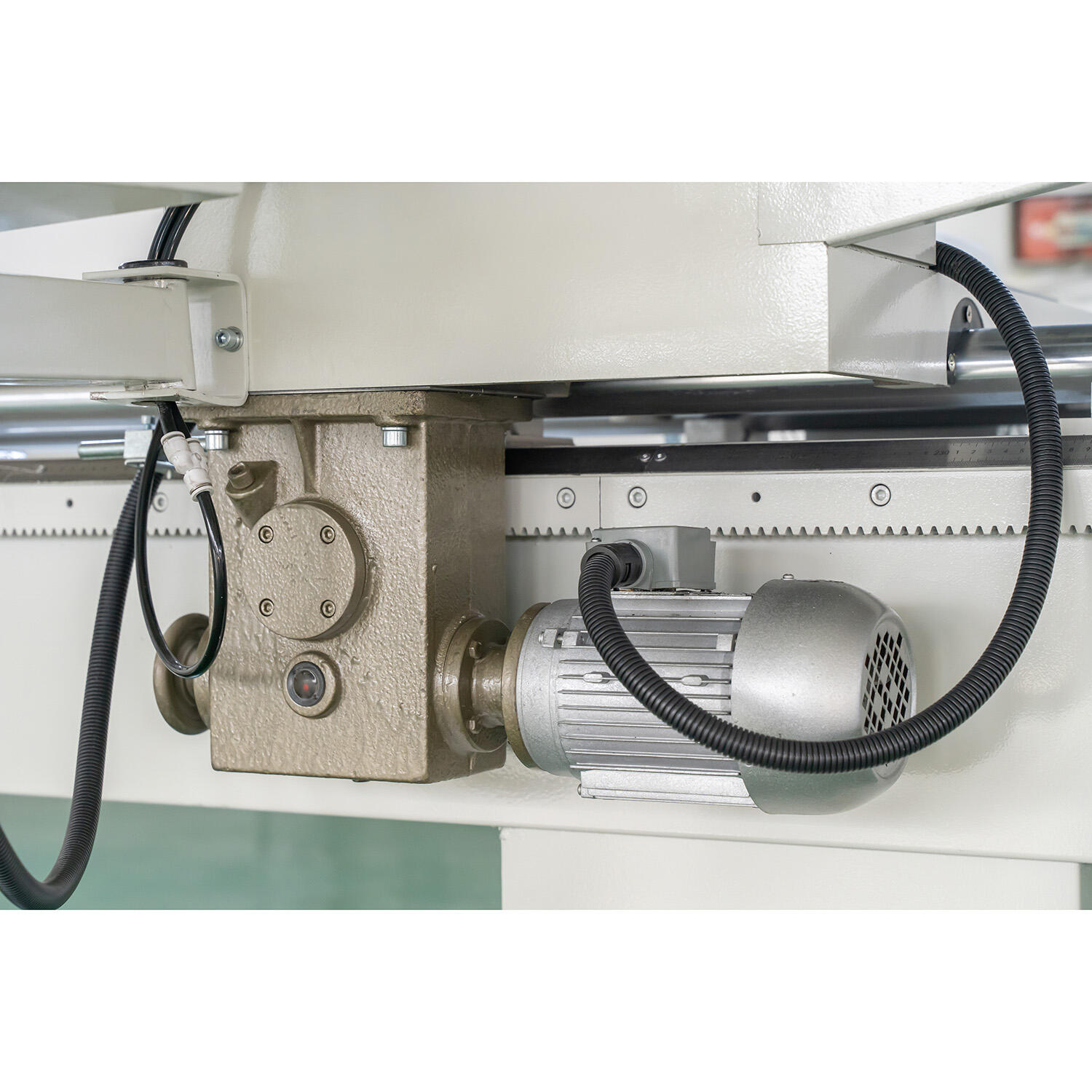
Why AI Predictive Tool Wear Is Critical for CNC Aluminum Machining
When tools fail unexpectedly during aluminum profile cutting, manufacturers lose around $740,000 each year in downtime according to Ponemon's 2023 report. The problem gets worse with 6061-T6 alloys that tend to speed up tool wear because of those pesky built-up edges and thermal cracks forming on the cutting surfaces. Traditional approaches where shops just replace tools based on calendar time end up throwing away about 30% of what could still be useful tool life, or worse yet, create major failures when running at top speeds. Smart AI systems are changing this game completely. These systems look at all sorts of live sensor information like how machines vibrate, changes in spindle load, and even sounds coming from the equipment itself to spot tiny signs of wear long before parts start measuring out of spec. What happens next is pretty cool: machine learning takes all that raw data and turns it into actual predictions. This means maintenance can happen overnight instead of disrupting production, and operators can tweak feed rates and cutting speeds on the fly. Companies that have adopted these technologies typically see their unplanned downtime drop by about 41% and get an extra 17% life out of their cutting tools. For big operations making thousands of profiles daily in aerospace and car manufacturing plants, these improvements translate directly into better overall equipment effectiveness numbers across the board.
Sensor Integration and Signal Preprocessing for Aluminum-Specific Wear Signatures
Vibration, acoustic emission, and spindle current as key real-time indicators of early flank wear in 6061-T6 aluminum
When it comes to spotting early signs of tool wear during aluminum profile cutting, three main technologies stand out: vibration sensors, acoustic emission probes, and spindle current monitoring systems. The problem is that aluminum has such a low melting point, which actually speeds up adhesive wear processes. What happens then? Tiny chips start forming along cutting edges, creating those telltale high frequency vibrations around 15 to 25 kHz range plus AE bursts over 4 MHz mark. For 6061-T6 alloys specifically, when spindle current starts fluctuating more than 8% from normal levels, that usually means flank wear is getting worse because increased friction demands more power from the machine. By combining all these different signal sources, manufacturers can catch wear issues right away before they lead to any dimensional problems in finished parts.
Ensemble EMD + Hilbert transform to isolate chatter harmonics masked by aluminum’s low damping ratio
Aluminum naturally has very poor damping characteristics, typically below 0.05, which means it tends to amplify background noise and drown out important chatter frequencies. Engineers use Ensemble Empirical Mode Decomposition, or EEMD for short, to filter out spindle rotation harmonics from raw sensor readings. At the same time, they apply the Hilbert transform technique to get those momentary amplitude measurements. When combined, this two-step process can pick out chatter signals below 500 Hz these are the main warning signs before tools fail completely and has proven effective in real factory settings with around 92% success rate according to field tests. What makes this approach valuable is how it cuts down on false alarms caused by things like coolant splashing around or minor differences between workpieces, allowing manufacturers to predict when tools need replacing much more accurately than before.
AI Modeling Strategies for Accurate and Robust Tool Wear Prediction
Effective AI predictive tool wear models transform raw sensor data into actionable insights for aluminum machining.
LSTM networks for temporal wear progression modeling across multi-pass aluminum extrusion cuts (RMSE −22%)
LSTM networks are really good at tracking how things change over time in sensor data, which helps create accurate models of tool wear when cutting aluminum through multiple passes. When looking at patterns in vibrations and sounds from the machine, these LSTM models cut down on prediction mistakes by about 22% compared to simple threshold approaches. For manufacturers dealing with complex profile shapes, this matters a lot because as the tool wears down gradually, it affects the final surface quality. What makes LSTMs work so well is their ability to remember past cutting operations and adjust predictions based on what actually happens. This is especially useful with materials like aluminum that tend to stick to tools during machining, creating those annoying gummy buildups that mess up the finished product.
ANN + EEMD-Hilbert fusion reduces false alarms by 68% in industrial 5-axis CNC saw deployments
When we combine artificial neural networks with Ensemble Empirical Mode Decomposition and Hilbert transform methods, we can actually separate genuine signs of wear from all that background noise in sensor data. This combination cuts down on false warnings by around two thirds in those complex 5-axis CNC saw setups because it knows the difference between real tool wear and just regular vibrations from the machine itself. What happens first is that the EEMD-Hilbert part breaks down those fluctuating currents from the spindle into smaller components called intrinsic mode functions. This process gets rid of those annoying low frequency resonances that come from working with aluminum materials. After cleaning up these features, they go into the neural network classifier which makes accurate predictions even when there's lots of vibration going on around it. We've tested this approach in actual aerospace cutting operations where parts need precise profiles, and it keeps performing well night after night during those non-stop production cycles that run 24 hours a day, seven days a week.
From AI Prediction to Operational Action: Parameter Optimization and Downtime Prevention
Closed-loop feed/speed adjustment driven by wear forecasts cuts unplanned downtime by 41% in high-volume lines
Using AI for closed loop control in CNC aluminum profile cutting turns those predictive insights into real money savings on the shop floor. When the system detects tool wear nearing dangerous levels through its real time monitoring, it automatically adjusts feed rates and spindle speeds to keep cutting forces under control. What does this mean? Longer lasting tools without sacrificing the tight dimensional specs needed for 6061-T6 aluminum parts. Factories that have implemented this technology report cutting their unexpected downtime by almost half (around 41%) on busy production lines. That translates to getting back about 16 full days of productive work each year from every machine. By combining smart data analysis with actual machine controls, manufacturers are seeing tangible improvements across their operations.
- Continuous optimization balancing tool longevity and cycle times
- Prevention of catastrophic tool breakage during deep-pocket milling operations
- Adaptive responses to variable aluminum chip adhesion challenges
By converting wear forecasts into parameter adjustments, manufacturers achieve sustained productivity without compromising surface finish quality or triggering emergency stops. This proactive methodology exemplifies how AI predictive tool wear systems transition from diagnostic capabilities to tangible throughput improvements in CNC aluminum machining environments.
FAQs
What is AI predictive tool wear in CNC machining?
AI predictive tool wear refers to using artificial intelligence systems to forecast tool deterioration in CNC machining, allowing for timely maintenance and adjustments before failures occur.
Why is AI predictive tool wear important for aluminum machining?
It helps in reducing downtime and extending the life of cutting tools by detecting early signs of wear specific to aluminum, which can be costly due to its tendency to cause rapid tool degradation.
How do AI systems detect tool wear?
These systems analyze real-time data from various sensors, including vibration, acoustic emission, and spindle current, to identify patterns indicative of tool wear.
Can AI improve the efficiency of CNC machining operations?
Yes, AI can optimize feed rates and cutting speeds automatically, thus enhancing tool longevity, reducing downtime, and improving overall productivity in CNC aluminum machining.