 EN
EN

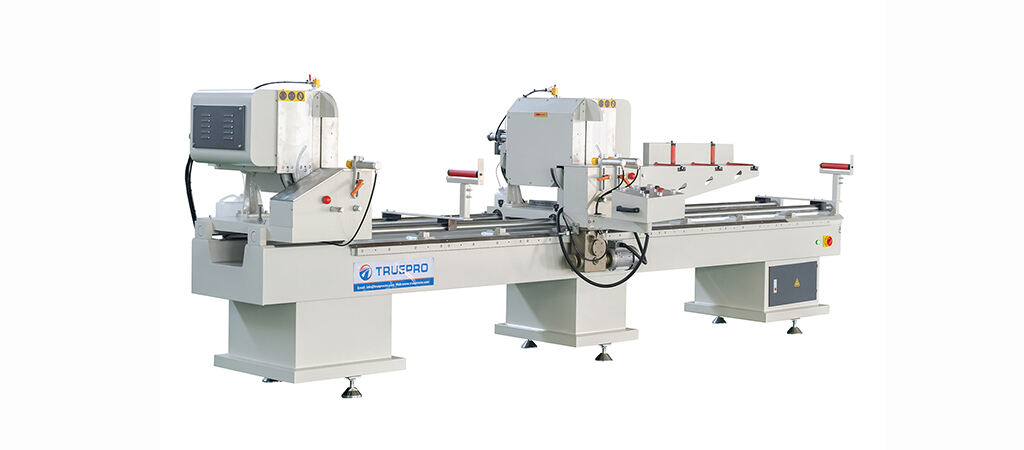
Why ERP—Raw Material Integration Is Critical in Fenestration
The material management problems for fenestration manufacturers are really something special. Think about it: aluminum extrusions take time to get here, glass panels need careful handling, and all those different hardware parts come with their own quirks too. When companies don't have everything connected properly, chaos follows. The purchasing department might end up buying way too much alloy while the factory floor is scrambling because they ran out of certain profile types, which brings whole production lines to a grinding halt. And let's talk money. Plants that haven't integrated their ERP systems with raw materials see around 12% differences in what they actually have versus what they think they have. That means either spending tons of cash on excess stock sitting around unused or facing delays when projects run into material shortages at critical moments.
Real-time aluminum stock visibility through ERP integration delivers precision across three critical areas:
- Procurement accuracy, with automated reorder triggers based on actual consumption patterns
- Waste reduction, by aligning extrusion cutting schedules with verified stock levels
- Lead time reliability, enabled by digital material tracking from receiving to shop floor
Disjointed systems definitely come with real operational risks that can be measured quite clearly. Manufacturing plants still using manual log books tend to face around 23 percent more production hiccups because of mismatched materials compared to those with integrated systems. The problem gets worse when there's poor inventory tracking for extrusion orders. Scrap rates jump about 15% in these cases, usually caused by mixing up different alloys or trying to ship products too quickly without proper checks. On the flip side, factories with good ERP connections across their shop floors can manage materials right when needed, which cuts down on extra stock sitting around by roughly 18%. Better yet, they consistently hit what customers actually ordered. For window manufacturers focused on precision work, turning material handling from just another expense into something that gives them an edge makes all the difference in staying competitive.
Core Components of Effective ERP Raw Material Integration
Unified Material Master with Alloy-Specific BOMs and Lot Traceability
Having all materials in one central database is really important for getting ERP systems to work properly with raw materials instead of dealing with those frustrating siloed spreadsheets everyone keeps updating differently. When making aluminum windows specifically, we need to get those exact alloy specs right in our digital BOMs. Think about it - 6061 versus 6063 alloys aren't just numbers on paper. They actually require completely different ways of machining and heat treatment processes. Once materials arrive at the facility, these smart tracking systems connect every coil straight to where it came from and which batch was produced. Fabrication shops report around a 23% drop in quality problems after implementing this kind of detailed tracking system, which makes sense because if there's ever an issue with metal composition, they can quickly isolate affected products without recalling everything. The automated checks in our BOMs also stop workers from accidentally using the wrong alloy when cutting frames or doing anodizing treatments, something that costs companies serious money when mistakes happen.
Real-Time Stock Sync via IoT Scales and Barcode-Enabled Receiving
Getting ERP systems connected seamlessly to the shop floor really hinges on having those inventory updates happen automatically and right away. The load cells placed under aluminum storage racks send weight data straight to the ERP system. At the same time, workers use handheld scanners to check what's coming in against purchase orders as they unload shipments, which gets rid of all those mistakes that come from counting things manually. Take one fenestration plant for instance they managed to bring down their stock discrepancies from plus or minus 11 percent down to just 1.8 percent over six months. When managers can see exactly what aluminum stock they have in real time, they can make smart changes to work orders on the fly. If the inventory of 10 foot 6061-T6 aluminum starts running low, the system will automatically tell the laser cutting machines to switch to different profiles instead. All this automation saves around 18 percent in warehousing costs too. And when stock levels hit certain points, it triggers automatic restocking requests so procurement stays aligned with what's actually needed in production.
Operational Impact: Reducing Variance, Waste, and Lead Time Risk
Cutting Stock Variance from ±12% to ±2.3% Through ERP—MES Alignment
When companies link their ERP systems with Manufacturing Execution Systems (MES), they see dramatic improvements in managing aluminum stock levels because the procurement forecasts actually match what happens on the shop floor in real time. According to industry standards, most manufacturers manage to bring down those pesky material discrepancies from around plus or minus 12 percent down to just about plus or minus 2.3 percent within half a year. And this kind of accuracy makes a big difference financially too. The Ponemon Institute reported back in 2023 that businesses save approximately seven hundred forty thousand dollars each year on carrying costs when they avoid holding onto unnecessary inventory. Plus there's another benefit worth mentioning: lead time risks drop by roughly thirty percent once the ERP system connects smoothly with operations happening right there on the factory floor.
Lowering Frame-Cutting Scrap by 15% with Live Inventory-Driven Work Orders
When live ERP systems manage work orders, they automatically tweak cutting settings according to what's actually in stock for those alloy profiles. This helps fix the problem where designs call for materials that aren't really there. The result? About 15% less waste from cutting frames wrong because people no longer have to measure things manually all the time. Plus, leftover bits get used better too. On production floors, changeovers happen roughly 22% quicker when workers can see digital tracking info right at window plants. This lets them plug in batch details from extrusion straight into their cutting plans without waiting around. Getting inventory numbers right saves somewhere around eight hours every week that used to get eaten up trying to figure out where all the materials went during reconciliation checks.
Implementation Best Practices for Fenestration Manufacturers
Getting ERP systems to work well with raw materials needs careful thought and planning. First step should be looking at how things move through the whole process from buying stuff to storing it and then actually making products. This helps spot those tricky spots where knowing exactly what aluminum we have on hand matters most for keeping production running smoothly without unexpected pauses. When rolling out changes, it makes sense to tackle the biggest extrusion lines first since they cause the most problems if something goes wrong, then worry about the smaller parts later once everything else is working properly.
Getting those ERP systems properly connected to the shop floor requires some smart tech deployment. We've found success putting IoT weight sensors right where raw materials are staged, paired with good old fashioned barcode scanners at each cutting station. The combination keeps our inventory numbers spot on for all those extrusion orders, and best part is the ERP records get updated automatically as work progresses. Nobody wants to deal with manual data entry mistakes messing up material tracking. That's why we spend time training everyone from production staff to warehouse managers on our standard data entry procedures. When people understand exactly how and when to input information, it dramatically cuts down on those frustrating errors that throw off the whole system.
Regular checks between system records and actual inventory levels are essential for any good warehouse management. Most operations aim to keep discrepancies below 2% when comparing digital records with real-world stock. Many companies now use ERP systems to automatically manage inventory levels, cutting down on overstock situations. These systems adjust reorder points based on how long suppliers take to deliver goods and changes in customer demand throughout different seasons. For ongoing improvements, plant supervisors need to look at their digital tracking data each month. This helps spot patterns where materials get wasted repeatedly. Businesses that follow this kind of systematic approach generally implement new processes about 18% quicker than those that don't, and around 95 out of 100 employees end up using these systems regularly once they're set up properly.
FAQ
Why is ERP raw material integration important for fenestration manufacturers?
ERP raw material integration is crucial for fenestration manufacturers because it ensures accurate inventory management, reduces waste, minimizes production delays, and helps maintain financial efficiency by aligning raw material procurement with actual production needs.
What are the benefits of real-time stock visibility provided by ERP systems?
Real-time stock visibility through ERP systems enables precise procurement, waste reduction, and reliable lead times. It automates reorder triggers, aligns cutting schedules with stock levels, and tracks materials from receiving to shop floor, ensuring operational efficiency and customer satisfaction.
How does an integrated ERP system reduce operational risks?
An integrated ERP system reduces operational risks by providing accurate stock tracking, minimizing production hiccups, and preventing material shortages. It also lowers scrap rates and ensures timely delivery of products by synchronizing with real-time inventory data.
What role does IoT and barcode technology play in ERP integration?
IoT and barcode technology facilitate seamless ERP integration by automating inventory updates. IoT scales send weight data to the ERP system, and barcode scanners verify incoming shipments against orders, reducing manual errors, and ensuring precise inventory management.
How can fenestration manufacturers implement ERP systems effectively?
Effective ERP system implementation requires analyzing the production process, prioritizing critical areas, deploying IoT sensors and barcode scanners, and training staff on data entry procedures. Regular system record checks against actual inventory levels further ensure accuracy and efficiency.
Table of Contents
- Why ERP—Raw Material Integration Is Critical in Fenestration
- Core Components of Effective ERP Raw Material Integration
- Operational Impact: Reducing Variance, Waste, and Lead Time Risk
- Implementation Best Practices for Fenestration Manufacturers
-
FAQ
- Why is ERP raw material integration important for fenestration manufacturers?
- What are the benefits of real-time stock visibility provided by ERP systems?
- How does an integrated ERP system reduce operational risks?
- What role does IoT and barcode technology play in ERP integration?
- How can fenestration manufacturers implement ERP systems effectively?