 EN
EN

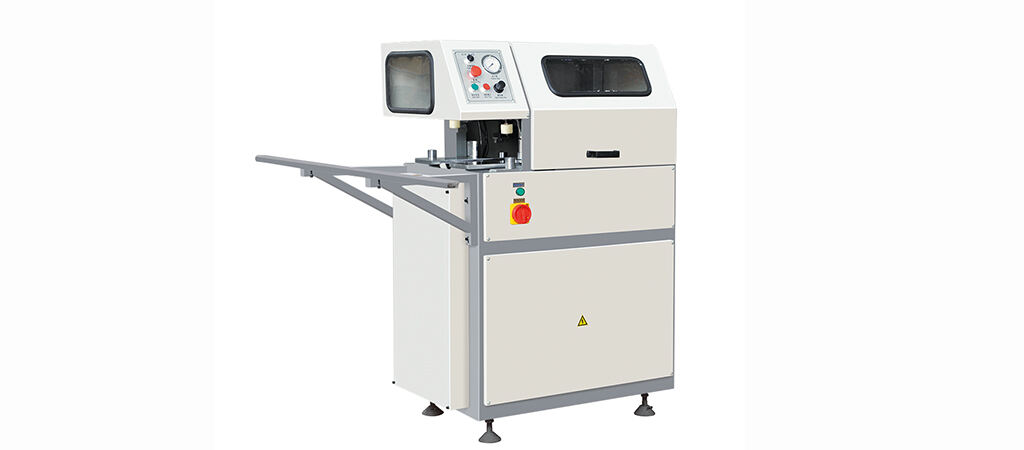
Understand the Anatomy of the Custom Aluminum Machinery Sales Cycle
Key Phases: From Initial Inquiry to Commissioning – Why 6–18 Months Is Typical
The custom aluminum machinery sales cycle unfolds through four critical phases:
- Initial Inquiry & Technical Validation (1–3 months): Customers submit specifications while engineers verify feasibility, including material compatibility and bending tolerances.
- Quoting & Negotiation (2–4 months): Detailed cost breakdowns account for extrusion dies, automation integration, and testing protocols.
- Contract Finalization (1–2 months): Legal reviews and payment terms are solidified.
- Commissioning & Handover (2–9 months): On-site installation and operator training occur.
This 6–18 month timeline reflects inherent complexity: Custom extrusion/bending systems require 40+ engineering touchpoints, and material certification alone can consume 12 weeks. According to McKinsey's 2023 analysis of industrial equipment sales cycles, 68% of delays stem from redesigns during technical validation.
Stakeholder Complexity in Fenestration OEMs: Engineering, Procurement, and Operations Alignment
Fenestration OEMs face multidimensional stakeholder hurdles:
- Engineering teams prioritize precision tolerances (±0.1mm bending accuracy) and extrusion profile consistency
- Procurement demands cost predictability, scrutinizing tooling amortization and energy consumption
- Operations focuses on production floor integration, requesting modular machine footprints
Misalignment between these groups extends decision-making by 37% (Manufacturing Leadership Council, 2023). For example, procurement may reject engineering-approved designs over lifecycle cost concerns, triggering rework loops. Successful navigation requires joint specification workshops early in the sales cycle to define shared KPIs like change-order frequency and ROI thresholds.
Accelerate Early-Stage Engagement with Buyer-Centric Process Mapping
Map Technical Validation Timelines to Marketing Touchpoints (e.g., CAD Review, Material Certification)
Cutting down on those endless approval cycles starts with making sure our marketing stuff lines up with what's happening technically during validation stages. When potential clients ask for CAD file checks, we need to send them specific resources instead of generic info. Think about sending modularity guides that actually match their interface specs exactly. Getting material certifications out there at the same time as bending simulation reports really helps show compliance isn't just a box to check. According to industry standards for capital projects, this approach cuts feasibility analysis time by around 40% because everyone gets the proof they need right when they need it. To see if this works, keep an eye on how long it takes from receiving a quote to meeting actual requirements. That metric tells us whether we're on track or not.
Deploy Pre-Qualified Technical Content (e.g., Bending Tolerance Guides, Extrusion Line Layout Checklists)
Getting buyers to make decisions faster happens when we put engineering approved materials right into those first meetings. When talking about extrusion machines, showing them layout calculators that handle all the spatial planning according to ANSI standards really helps things move along. And for bending systems? We've found success in sharing tolerance charts that match different aluminum grades with their deflection limits after third party labs have tested everything out. These ready made resources cut down on the approval process significantly, saving anywhere from three to five weeks worth of going back and forth for clarifications. Sales teams working on projects tell us they reach technical agreement about thirty percent quicker when these specific tools are used during site visits.
Embed Process Engineering Discipline to Reduce Friction in the Custom Aluminum Machinery Sales Cycle
Apply Lean Principles: Value Stream Mapping for Sales-to-Engineering Handoffs
Lean manufacturing practices help tackle those annoying delays that plague custom equipment sales. When companies map out their value streams, they get a clear picture of how sales and engineering teams actually work together day to day. This process often reveals hidden problems such as engineers spending hours on duplicate design checks or getting stuck because specs are missing key details. Recent research from the industrial automation sector shows pretty impressive results too. Manufacturers who adopted value stream mapping saw their engineering response times drop by around 40% last year alone. The real magic happens when businesses stop wasting time on unnecessary tasks like asking for the same material certifications multiple times. Instead, they create standardized ways to share technical information across departments. Fenestration original equipment manufacturers especially benefit from this approach. They can assess whether projects will work much quicker, need to revise quotes less frequently, and ultimately make decisions about expensive machinery purchases far sooner than before.
Track and Optimize Critical Metrics: Lead-to-Opportunity Time, Feasibility Approval Lag, Quote Revision Cycles
Quantifying friction points requires monitoring three key performance indicators:
| Metric | Impact on Sales Cycle | Industry Benchmark |
|---|---|---|
| Lead-to-Opportunity Time | Reveals marketing-sales alignment gaps | ¥7 days |
| Feasibility Approval Lag | Exposes engineering resource constraints | ¥10 days |
| Quote Revision Cycles | Induces scope clarity issues | ¥2 iterations |
Firms exceeding these benchmarks face 35% longer sales cycles (Capital Equipment Efficiency Report 2024). By automating metric tracking through CRM integrations, manufacturers reduce quote-to-approval duration while enhancing value selling for bending systems. Continuous optimization of these levers slashes latency in project-based sales for fenestration equipment.
Enable Faster Consensus Through Collaborative Technical De-Risking
Co-Design Feasibility Prototypes with Customers to Pre-Empt Late-Stage Rejection
Technical issues popping up late in the game tend to be the biggest roadblocks for selling custom aluminum machines, especially after companies have already invested significant time and resources. When manufacturers work with customers to build feasibility prototypes together, those vague specs turn into something real that everyone can touch and test. This kind of teamwork helps spot problems much earlier on, like figuring out if certain materials will expand too much under heat or if parts won't fit within required tolerances before anyone signs off officially. Fenestration original equipment manufacturers typically cut down their decision making period by around a month to a month and a half when they involve clients in designing prototypes firsthand. People who need to approve big purchases get on the same page quicker when they actually see and handle the models during their regular check-ins. By running stress tests on materials through smaller scale prototypes right from the start, factories avoid having to redo expensive work later. Getting technical details sorted out upfront not only speeds things along but also builds credibility because clients see the manufacturer knows what they're doing. When everyone works together on prototypes, there's clearer standards for evaluating performance, which makes getting the green light for complicated equipment purchases go much smoother overall.
FAQ on Custom Aluminum Machinery Sales Cycle
Why does the custom aluminum machinery sales cycle take 6–18 months?
The extended timeline is due to the complexity of custom extrusion and bending systems, which involve over 40 engineering touchpoints. Certification and validation processes can also add significant time.
What are the main phases in the custom aluminum machinery sales cycle?
The process typically includes four phases: Initial Inquiry & Technical Validation, Quoting & Negotiation, Contract Finalization, and Commissioning & Handover.
How can Lean principles reduce friction in the sales cycle?
Lean principles, like value stream mapping, can identify redundancy and inefficiency, helping engineering teams respond more quickly and streamline communication.
What metrics are important for tracking and optimizing the sales cycle?
Critical metrics include Lead-to-Opportunity Time, Feasibility Approval Lag, and Quote Revision Cycles. Monitoring these can help identify alignment gaps and resource constraints.
How does collaborative technical de-risking benefit the sales process?
By co-designing feasibility prototypes with customers, manufacturers can identify and address potential technical issues early, reducing the likelihood of late-stage rejection and speeding up decision-making.
Table of Contents
- Understand the Anatomy of the Custom Aluminum Machinery Sales Cycle
- Accelerate Early-Stage Engagement with Buyer-Centric Process Mapping
- Embed Process Engineering Discipline to Reduce Friction in the Custom Aluminum Machinery Sales Cycle
- Enable Faster Consensus Through Collaborative Technical De-Risking
-
FAQ on Custom Aluminum Machinery Sales Cycle
- Why does the custom aluminum machinery sales cycle take 6–18 months?
- What are the main phases in the custom aluminum machinery sales cycle?
- How can Lean principles reduce friction in the sales cycle?
- What metrics are important for tracking and optimizing the sales cycle?
- How does collaborative technical de-risking benefit the sales process?