 EN
EN

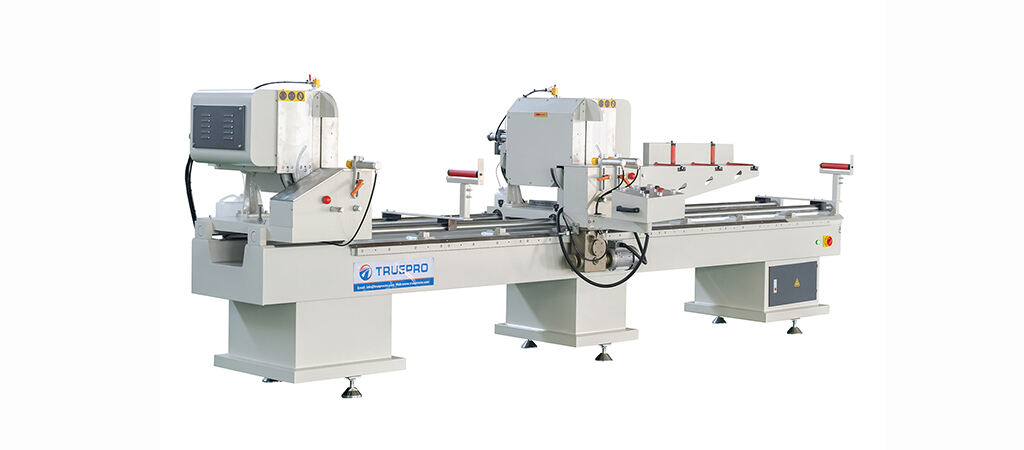
Material-Specific Cutting Parameters for Aluminum Alloys
Effective CNC tool life optimization for aluminum windows requires deep understanding of architectural alloys machining properties. Distinct thermal characteristics and mechanical responses significantly influence tool longevity and dimensional accuracy.
Thermal and Mechanical Behavior of 6060, 6063, and 6463 Architectural Alloys
Aluminum's low melting point (~660°C) creates unique challenges:
- 6060 alloys exhibit medium strength with excellent formability but suffer rapid heat buildup during cutting
- 6063 variants offer superior corrosion resistance yet develop excessive built-up edge (BUE) at temperatures exceeding 180°C
- 6463 materials contain higher silicon content, increasing hardness but elevating tool friction risks These thermal properties directly impact machining stability, with thermal expansion causing dimensional deviations up to 0.15mm in extended runs. Non-magnetic characteristics further complicate chip evacuation, demanding specialized handling strategies.
Optimizing Speeds, Feeds, and Depth of Cut to Minimize Built-Up Edge and Thermal Wear
Precision parameter adjustments prevent common failure modes:
| Parameter | Optimization Range | Effect on Tool Wear |
|---|---|---|
| Cutting Speed | 800–1200 SFM | Reduces BUE formation by 40% |
| Feed per Tooth | 0.05–0.15 mm/tooth | Prevents work hardening |
| Axial Depth | <2× tool diameter | Lowers thermal stress by 30% |
Adopting progressive ramp-in techniques instead of vertical plunging decreases heat concentration by 25%, while balanced coolant application maintains alloy temperatures below critical adhesion thresholds. Implementing these protocols extends tool lifespan by 50% in high-volume window frame production.
Precision Tool Selection and Geometry for Stable Aluminum Machining
Carbide Grades, TiB₂/ZrN Coatings, and Flute Design Trade-Offs for Window Frame Milling
When working on high speed aluminum window machining, going for carbide tools made with fine grain substrates around 0.5 microns or smaller helps prevent those annoying edge chips that can ruin a good job. The TiB₂ and ZrN coatings make a real difference too, cutting down on built-up edge problems by about forty percent when compared to regular uncoated tools. And let's not forget about the three flute design which works wonders for balancing out chip clearance issues while still keeping things rigid enough for those tricky thin-walled frame profiles. Oh, and polished flutes? They're absolutely essential for minimizing how much aluminum sticks to the tool surface. This matters a lot because we need to stay within tight tolerance ranges of plus or minus 0.1 mm for proper fitting fenestration components in actual installations.
Chatter-Free Strategies: Helix Angle, Corner Radius, and Ramp-In vs. Plunge Milling in Profile Work
A 45° helix angle improves chip evacuation in deep pocket milling, reducing recutting and tool deflection. For corner machining:
- Radii ≥ tool diameter prevent thermal concentration
- Ramp-in entry lowers axial forces by 60% versus plunge cuts Real-time spindle load monitoring enables adaptive feed adjustments during profile work, preventing catastrophic tool breakage in high-volume production—directly supporting CNC tool life optimization for aluminum windows by minimizing unplanned downtime.
Effective Coolant Delivery and Chip Management in High-Volume CNC
High-Pressure Through-Tool Coolant vs. Minimum Quantity Lubrication (MQL) for Smear-Free Finishes
Getting coolant right makes all the difference when it comes to extending tool life during aluminum window machining, mainly because it controls both heat buildup and those pesky chips sticking to the cutting surfaces. When shops use high-pressure through-tool systems at around 1000 psi or more, they get much better penetration into the actual cutting area. These systems blast away chips from complex profile shapes and cut down on the annoying problem of aluminum welding itself to the cutting tools. Tests show these systems can actually drop cutting temps by about 30 percent compared to regular flood cooling methods, which helps keep those delicate window frames from warping due to excessive heat. There's a catch though - maintaining proper filtration becomes absolutely critical since the fine aluminum dust tends to clog nozzles pretty quickly if not properly managed.
Minimum Quantity Lubrication, or MQL as it's commonly called in shops, works by spraying tiny droplets of oil at rates under 50 ml per hour. This cuts down on those expensive coolant disposal bills many manufacturers face. The system keeps surfaces clean which matters a lot when working with anodized materials. However, there are some limitations too. Deep pocket milling operations tend to have trouble with chip removal when using MQL alone. For lighter work like shallow engraving jobs or fast finishing passes though, this method really shines. Shops report around a 60 percent drop in smearing issues simply because there's less fluid getting between the tool and the material during cutting.
| Method | Best For | Chip Evacuation | Surface Risk |
|---|---|---|---|
| High-Pressure Coolant | Deep cavities, roughing | Excellent | Coolant residue |
| MQL | High-speed finishing, thin walls | Moderate | Smearing if misapplied |
Select based on operation depth: High-pressure excels in slotting window grooves while MQL suits edge-breaking passes. Both extend tool life when matched to cut geometry.
Data-Driven CNC Tool Life Optimization for Aluminum Windows
From Manual Replacement to Predictive Wear Compensation Using Spindle Load and Surface Finish Monitoring
Switching away from fixed schedule tool changes toward predictive wear management makes a big difference in how efficiently aluminum windows get produced. The old way of manually replacing tools either throws away good tool life or leads to those frustrating surprise breakdowns that cost shops around 740 grand every year in lost production time. Today's computer numerical control machines come equipped with sensors that watch spindle loads in real-time, picking up on unusual friction spikes long before parts start getting out of spec. At the same time, these systems analyze surface finishes during actual cutting operations, catching issues like micro chatter or edge buildup when milling window profiles. When all this data gets compared against past machining records, smart software kicks in to adjust tool paths automatically. Think things like slowing down feeds or tweaking ramp angles, which can stretch end mill life anywhere from maybe 40% to over half again what it used to be. What this means for manufacturers is they can run their plants overnight without supervision while making architectural aluminum products, and no more worrying about scrap caused by broken tools during those long production runs.
FAQ
What are the common challenges in machining aluminum alloys?
Aluminum alloys present challenges such as rapid heat buildup, formation of built-up edges at high temperatures, and issues with chip evacuation due to their thermal characteristics and non-magnetic properties.
How can cutting parameters be optimized for aluminum machining?
Optimization involves adjusting cutting speeds, feeds, and axial depth appropriately. Progressive ramp-in techniques and balanced coolant application can also aid in minimizing built-up edges and thermal wear.
Why is coolant management important in CNC machining of aluminum?
Effective coolant management helps control heat buildup and prevents chips from sticking to cutting surfaces, reducing tool wear. High-pressure coolant systems and Minimum Quantity Lubrication (MQL) are effective strategies.
How does predictive wear management improve tool life?
Predictive wear management uses real-time data from CNC machines to monitor tool wear, allowing for adjustments in tool paths and cutting parameters. This approach extends tool life by preventing premature tool changes and breakdowns.
What role do coatings and tool geometry play in aluminum machining?
Coatings like TiB₂ and ZrN reduce built-up edge problems, while tool geometry such as flute design and helix angle improve chip evacuation and maintain rigidity, especially in complex machining tasks.
Table of Contents
- Material-Specific Cutting Parameters for Aluminum Alloys
- Precision Tool Selection and Geometry for Stable Aluminum Machining
- Effective Coolant Delivery and Chip Management in High-Volume CNC
- Data-Driven CNC Tool Life Optimization for Aluminum Windows
-
FAQ
- What are the common challenges in machining aluminum alloys?
- How can cutting parameters be optimized for aluminum machining?
- Why is coolant management important in CNC machining of aluminum?
- How does predictive wear management improve tool life?
- What role do coatings and tool geometry play in aluminum machining?