 EN
EN

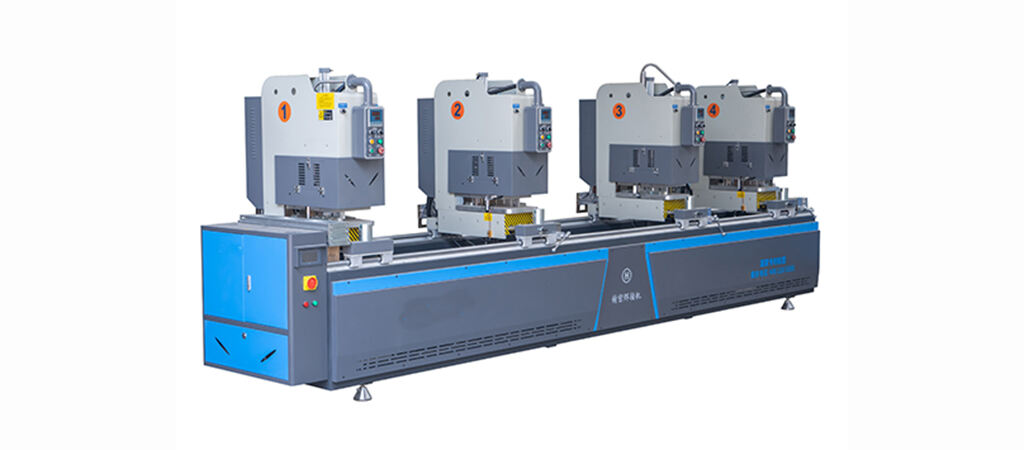
Why Glass Pressing Unit Parallelism Calibration Is Critical for Aluminum Window Quality
Getting the parallelism right on glass pressing units makes all the difference when it comes to how long aluminum windows will last and their overall strength. If those pressing cylinders aren't aligned properly, pressure gets distributed unevenly across the frames. This causes tiny gaps to form in the seals around the window frames. These little spaces let water get in, allow heat to escape, and eventually lead to rust forming much sooner than expected. According to some industry research, something as small as a 0.1mm misalignment can actually boost window failures by about 37% over just five years. For manufacturers, this adds up fast too. We're talking roughly $740,000 per year lost through warranty claims alone, according to Ponemon's findings from 2023.
When glass panels expand due to temperature changes, misaligned units create stress spots that can speed up the development of cracks, particularly noticeable in tempered or laminated glass types. Getting things properly aligned makes sure the weight spreads evenly over the entire glazed area instead of creating weak spots where pressure builds up. These pressure points not only shorten the lifespan of the installation but also affect how well it keeps out water and air. Industry data shows something interesting too. Companies that stick to keeping their measurements within just 0.05mm of perfect alignment see around 92 percent fewer problems later on with frames warping after installation. That kind of precision really pays off in terms of both quality and customer satisfaction down the road.
Energy performance is similarly affected. Non-parallel pressing causes inconsistent gasket compression, resulting in irregular thermal bridging. Third-party testing confirms such windows exhibit up to 27% higher U-values, jeopardizing building energy compliance. Routine micrometer-level calibration enables reliable frame seal uniformity, preventing rework and supporting sustainability standards.
Key Measurement Methods for Accurate Glass Pressing Unit Parallelism Calibration
Optical Interferometry and Precision Metrology for Sub-Micron Parallelism Verification
Optical interferometry checks how parallel surfaces are at a microscopic level by looking at how light waves interact. The method doesn't touch the material being tested and can spot tiny flatness issues down to 0.1 microns. And this matters a lot since even a 5 micron misalignment makes tempered glass break 40% more often according to studies from the Precision Manufacturing Institute back in 2023. What happens is manufacturers shine special light over their work surfaces while running through test presses, then watch for those telltale fringes that show where things aren't quite right. These patterns get picked up by super detailed sensors. Companies that have adopted this approach see about 32% reduction in wasted glass because they can create these 3D maps showing exactly where adjustments need to happen. There are several benefits worth mentioning here including...
- Non-invasive measurement preserving platen surfaces
- Real-time data acquisition during operational simulations
- Compatibility with automated calibration protocols
Mechanical Alignment Using Dial Indicators and Surface Plates in Production Environments
Getting things right on the shop floor often comes down to proper mechanical alignment using dial indicators. These tools can check if surfaces are parallel within just 0.02 mm of each other, which is pretty impressive when we're talking about manufacturing tolerances. What do technicians actually do? They attach these indicators to special granite surface plates that absorb vibrations, then move them back and forth over the work surfaces. Every 25 mm they stop and note down any height differences they find. According to recent industry data from Fabrication Equipment Survey 2024, this approach fixes around three out of every four problems related to parallelism in aluminum window making by adjusting those hydraulic actuators directly. Another big plus is how well these systems hold up even when there's dust flying around, making them great for checking the consistency of frame seals during regular production runs. Some good tips for getting the most out of this process would be...
- Taking measurements under simulated operational load
- Performing weekly verification cycles
Plants adopting this approach reduce seal-related warranty claims by 22% through consistent pressure distribution calibration.
Calibrating Dual-Cylinder Systems to Maintain Consistent Parallelism Under Load
Getting those dual hydraulic or electric actuators to work together just right matters a lot when keeping glass pressing units aligned under load. If there's even a tiny deviation - say over 0.05mm per meter between the cylinders - it creates twisting forces on the whole frame structure. That kind of stress can lead to broken glass or failed seals down the line. Today's equipment typically incorporates closed loop systems with pressure sensors and position detectors. These components constantly tweak either flow control valves or servo motors as many as 200 times every second to fight off any drift caused by changing loads. The result? Both sides push with exactly the same force, which makes all the difference in producing glass without unwanted distortions.
Synchronization Protocols for Hydraulic/Electric Actuators During Glass Pressing
When it comes to applications requiring significant force (anything above 10 kilonewtons), hydraulic systems are still the go-to choice. These systems handle pressure surges during glass contact thanks to components like proportional valves and accumulators. For dealing with those tricky pipeline resistance issues, engineers often implement cross-coupling control strategies. The master-slave configuration is particularly effective here. On the other hand, electric systems have gained popularity for smaller precision work below 5 kN. Servo drives communicate via CAN bus technology to keep movements synchronized within a very tight window of plus or minus 0.01 mm. Calibration remains critical for both types of systems. Manufacturers follow ISO 10791-7 guidelines and use laser interferometers to check how well everything works together when subjected to realistic load conditions. This ensures the equipment performs reliably in actual operating environments.
Pressure Distribution Mapping and Its Impact on Frame Seal Uniformity
Tactile sensor arrays (e.g., 100-point grids) enable pressure distribution mapping, revealing how cylinder misalignment affects seal integrity. Data shows a 7% pressure differential across a 2m window frame reduces silicone seal adhesion by 34% (Journal of Architectural Glazing 2023). Calibration routines should include:
- Uniformity scans under operational loads
- Edge-load compensation algorithms
- Sealant bead thickness verification post-pressing
Corrective shimming or valve retuning based on these maps eliminates low-pressure zones that lead to moisture ingress in aluminum fenestration systems.
Best Practices and Common Pitfalls in Routine Glass Pressing Unit Parallelism Calibration
Maintaining precise glass pressing unit parallelism requires systematic protocols. Key best practices include:
- Conducting quarterly verification using dial indicator alignment to detect micron-level deviations
- Documenting environmental conditions (temperature/humidity) during calibration to account for thermal expansion
- Validating glazing press flatness with master calibration blocks before production
- Training technicians on standardized torque sequences for adjustment bolts to prevent asymmetric loading
Common pitfalls undermine frame seal uniformity:
- Skipping hydraulic fluid viscosity checks, which cause inconsistent pressure distribution
- Using worn surface plates, introducing measurement errors up to ±0.2mm
- Neglecting dual-cylinder synchronization checks after maintenance
- Failing to recalibrate after shock loads, such as accidental impacts
Manufacturing studies show facilities avoiding these errors achieve 98% seal integrity, compared to 73% at non-compliant sites. Calibration records should include timestamps, operator IDs, and tool serial numbers to ensure full traceability.
FAQ
Why is calibrating glass pressing units important?
Calibration is crucial because it ensures that the glass pressing units apply even pressure, preventing frame seals from forming gaps that lead to water ingress and heat loss.
What is optical interferometry?
Optical interferometry is a method used to check for parallelism at a microscopic level by observing the interaction of light waves, allowing detection of flatness issues down to 0.1 microns.
How often should calibration occur?
It is recommended to conduct quarterly verification using dial indicators to detect any micron-level deviations.
What are some common pitfalls in glass pressing unit calibration?
Common pitfalls include skipping hydraulic fluid checks, using worn surface plates, neglecting synchronization checks, and failing to recalibrate after shock loads.
Table of Contents
- Why Glass Pressing Unit Parallelism Calibration Is Critical for Aluminum Window Quality
- Key Measurement Methods for Accurate Glass Pressing Unit Parallelism Calibration
- Calibrating Dual-Cylinder Systems to Maintain Consistent Parallelism Under Load
- Best Practices and Common Pitfalls in Routine Glass Pressing Unit Parallelism Calibration
- FAQ