 EN
EN

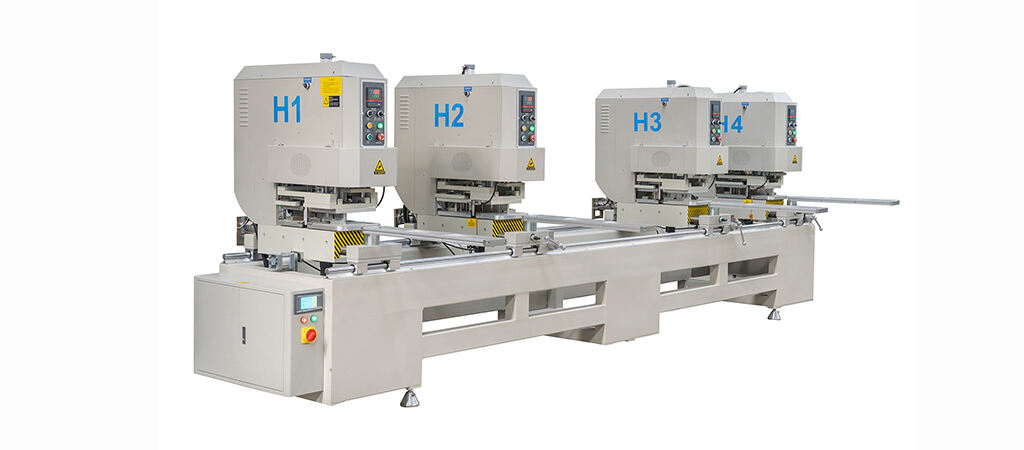
Real-World Case Studies: Measurable Productivity Gains in Aluminum Window Automation
German Fenestration Factory: Boosting Output with Full-Line Automation
A fenestration plant in Germany recently rolled out aluminum window automation across their entire production line, and the results were impressive. Production numbers jumped by nearly 30% in just half a year after they swapped out those old manual cutting and welding stations for robotic systems that work together seamlessly. Now the factory runs around the clock with only two shifts working, which has really helped cut down on waiting times between processes. They managed to slash idle time by almost 40% while still keeping measurements accurate within 0.1 millimeters. The return on this automation investment was better than anyone expected, pushing weekly output to 1,200 complete window units - that's about 35% more than when workers did everything by hand. Interestingly enough, these kinds of improvements match what most manufacturers see when going fully automated according to a recent report from the National Association of Manufacturers back in 2022, which noted similar gains of around 25-30% across different sectors.
Italian Manufacturing Line: Reducing Cycle Time and Increasing Throughput
A factory in Italy managed to slash their production cycles by around 32% after implementing integrated CNC machining centers along with automated systems for moving materials around. When they optimized how work flowed through the shop floor, it brought down the time needed to process each window unit from an average of 22 minutes all the way down to just 15. The company also used real time tracking to spot areas where machines were sitting idle, which allowed them to boost overall output by nearly 20% without needing any extra room on the factory floor. Getting rid of those tedious manual handoffs between different stations cut out roughly 70% of wasted motion that didn't actually contribute anything to the final product. As a result of these improvements focused on precision, defects dropped to only 0.2%, which is dramatically better than the standard 2.1% typically seen when things are made manually.
Spanish Facility: Cutting Labor Costs While Improving Output Precision
At a manufacturing facility in Spain, they managed to cut down on labor costs by around 380k euros each year after implementing automated assembly lines. The robots guided by vision systems achieved almost perfect consistency at 99.8% when it came to cleaning corners and applying gaskets something really important if we want those windows to perform well in terms of energy efficiency. What's interesting is that this change freed up 15 tech workers who were then moved into quality control positions. As a result, their first pass yield improved by about 18%, which makes sense given better oversight. Even though there were 40% fewer people actually operating machines directly, production still went up by 1,450 units per month thanks to continuous running time and much less need for fixing mistakes later on. Looking at this example shows just how smart automation of aluminum window manufacturing can work both for making better products and getting the most out of available staff resources.
Key Metrics That Prove Automation Improves Aluminum Window Production Efficiency
Tracking OEE, Throughput, and Downtime Reduction in Automated Lines
Aluminum window production lines that have gone automated are seeing real boosts in equipment effectiveness metrics, with some operations reporting over 30% improvement thanks to machines running longer and cycles taking less time according to a European Aluminum Association report. When factories install robotic welding systems that work around the clock, they typically see about 25% more output compared to traditional manual setups. Predictive maintenance tech is making a big difference too, cutting down downtime anywhere from 40 to 60 percent. This means fewer interruptions and smoother material movement throughout the plant. A manufacturing site in Germany recently shared their experience where automated cutting systems cut waste levels between 18 and 20%, which translates directly into lower spending on raw materials for their bottom line.
How Advanced Fabrication Machines Enhance Precision and Output Consistency
Machining centers controlled by computers can hold tolerances as tight as plus or minus 0.001 inches, which basically removes any chance of human mistakes during aluminum profile fabrication work. The level of accuracy makes sure all parts come out exactly the same size even when producing large quantities, and this cuts down on having to fix bad parts by somewhere around 15 to 22 percent based on what various industry reports have shown. Assembly lines guided by sensors help keep quality consistent throughout production runs. One factory actually hit 99.8 percent defect free products after installing automated systems there. CNC routers with advanced features are making it possible to switch between different jobs much faster too. This lets manufacturers make last minute changes that increase their overall capacity usage by about 19%, according to some recent research from Fortune Aluminum in 2023. What we're seeing is workers moving away from hands-on tasks towards monitoring operations and doing engineering work instead. Productivity goes up while still maintaining that traditional craftsmanship people expect.
From Manual to Smart: The Transformation of Labor and Process in Modern Window Lines
Labor Reduction Without Sacrificing Quality: Evidence from Automated Plants
The move toward automated aluminum window manufacturing cuts down on workforce requirements while actually boosting product quality in many cases. Robots handle those boring, repetitive jobs with incredible precision at the microscopic level, so we don't get those defects caused by tired workers making mistakes after long shifts. Most factories report being able to shift around 60 to maybe 70 percent of their manual staff over to QC checks and engineering positions instead. Looking at some recent research from Europe shows just how effective this can be too. One plant managed to hit 99.3% accuracy across 15,000 windows produced, which beats what most manual operations achieve by about 12%. And since these automated lines run non-stop with just two work shifts needed, it really makes sense why more companies are going this route. The bottom line? Aluminum window makers who invest smartly in automation see better output numbers without sacrificing quality standards.
End-to-End Process Optimization in Smart Aluminum Window Production
Modern manufacturing setups now combine CNC cutting machines, robotic welders, and smart inspection systems all working together in coordinated fashion. The big picture here is that these integrated systems cut down on material movement by almost half while making production cycles much faster thanks to better synchronization across different stages. Facilities are seeing real improvements too - for instance, predictive maintenance based on live data keeps overall equipment effectiveness (OEE) consistently above 85%, which means fewer unexpected breakdowns. Take one plant we worked with recently; they managed to boost their output by around 30% after installing automated conveyor systems between workstations. These kinds of changes aren't just about efficiency gains though. They actually shift the role of workers from doing repetitive manual tasks to handling exceptions and making critical decisions when something goes wrong in the process.
FAQ About Aluminum Window Automation
What are the main benefits of aluminum window automation?
Automation in aluminum window manufacturing offers numerous benefits, including increased production efficiency, reduced labor costs, decreased defects, and more consistent product quality.
How much can production efficiency improve with automation?
According to case studies, production efficiency can improve by as much as 25-35% depending on the level of automation implemented in the manufacturing process.
Can automation reduce labor costs?
Yes, automation can significantly reduce labor costs by minimizing the need for manual intervention, allowing workers to focus on quality control and problem-solving tasks.
What impact does automation have on product quality?
Automation enhances product quality by ensuring greater precision and consistency in manufacturing processes, often resulting in fewer defects and higher first pass yields.
How does automation affect process optimization?
Automation optimizes processes by integrating multiple systems that work in unison, reducing cycle times, minimizing wasted motion, and improving overall efficiency.
Are there any specific metrics that highlight the advantages of automation?
Key metrics highlighting the advantages of automation include Overall Equipment Effectiveness (OEE), throughput, reduced downtime, and lower defect rates.
Table of Contents
- Real-World Case Studies: Measurable Productivity Gains in Aluminum Window Automation
- Key Metrics That Prove Automation Improves Aluminum Window Production Efficiency
- From Manual to Smart: The Transformation of Labor and Process in Modern Window Lines
-
FAQ About Aluminum Window Automation
- What are the main benefits of aluminum window automation?
- How much can production efficiency improve with automation?
- Can automation reduce labor costs?
- What impact does automation have on product quality?
- How does automation affect process optimization?
- Are there any specific metrics that highlight the advantages of automation?