 EN
EN

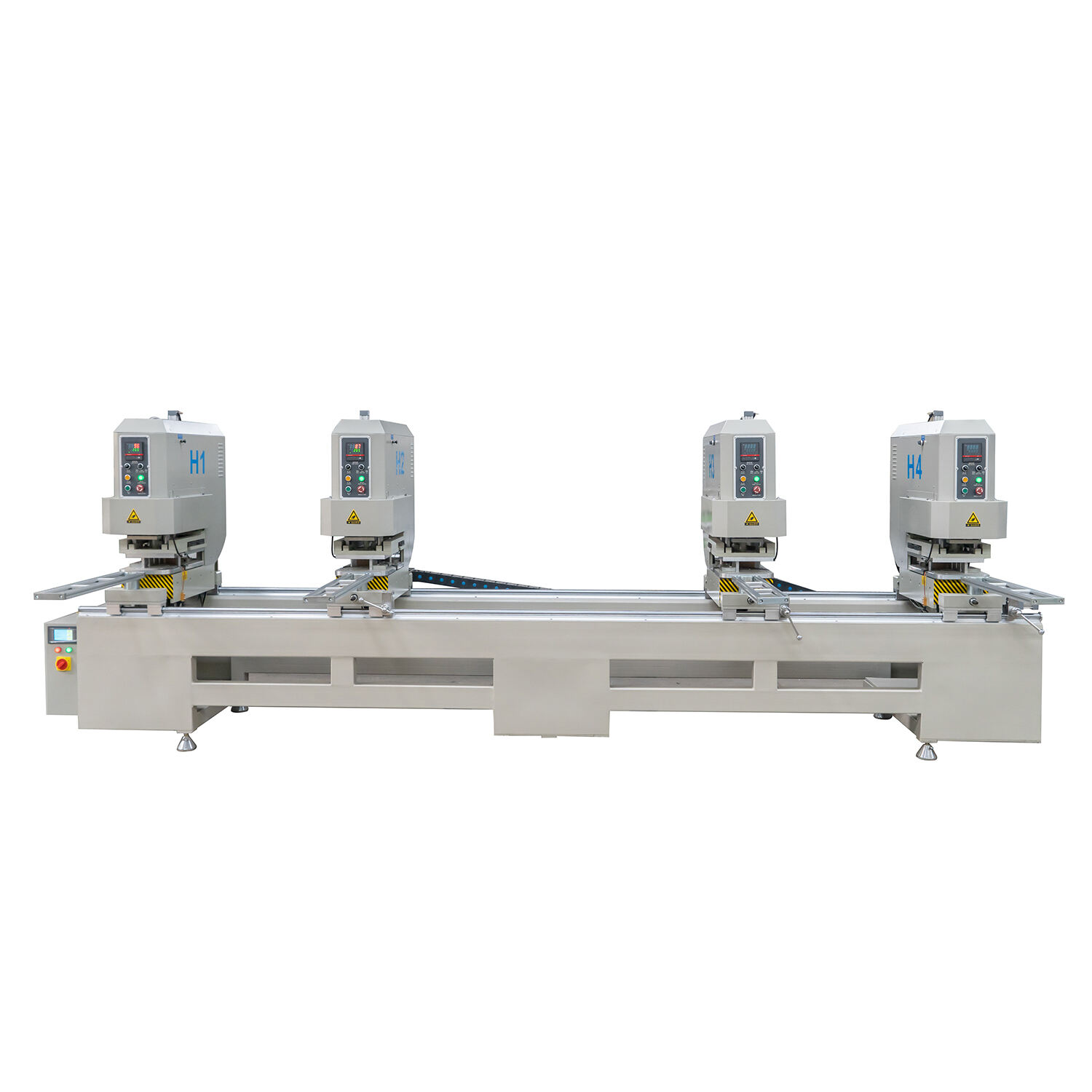
Understanding ROI for Automatic IGU Production Line Investments
Core ROI methodology: Net profit vs. total cost of ownership (TCO)
Calculating ROI for automatic IGU production lines requires comparing net profit gains against comprehensive ownership costs. The standard automation ROI formula is:
$$ROI = \frac{(Annual\ Benefits - Annual\ Costs)}{Total\ Investment} - 100$$
Where:
- Annual Benefits = Labor savings + Waste reduction + Quality improvement gains
- Annual Costs = Maintenance + Energy + Software licenses + Training
- Total Investment = Equipment + Installation + System integration + Training
Looking at how things work out shows that top manufacturers usually spend between 1.2 million to 2.5 million dollars on their automated IGU production lines. But here's what makes it worth the money: workers save around 180 thousand per year for each shift they run, plus there's about 15 percent less material going to waste. These factors together typically give back anywhere from 35 to 50 percent return on investment. Simple profit math doesn't tell the whole story though. Total Cost of Ownership actually looks at those sneaky extra costs nobody talks about first - stuff like updating old aluminum window machinery or dealing with production stoppages during system integrations. That's why TCO matters so much when companies need solid reasons to justify big capital expenditures.
Payback period as a decision threshold for capital approval in window manufacturing
The payback period remains the primary gatekeeper for automation approvals, calculated as:
$$Payback\ Period = \frac{Total\ Investment}{Annual\ Net\ Savings}$$
The majority of window makers stick to around a 3 year payback rule because they have to consider how long their equipment lasts and what kind of money they can actually invest upfront. Take for instance when someone spends about $1.8 million on new machinery and saves roughly $600 thousand each year after expenses. That math works out exactly to break even within those three years. But looking only at payback period misses bigger picture stuff. When companies install integrated IGU production lines, they typically see around 30 percent better output rates plus real improvements in overall equipment effectiveness over time. These factors are starting to matter just as much as traditional net present value calculations these days. Manufacturers who want sustainable growth need to think beyond simple payback periods since these advanced systems can cut down on costly mistakes by hundreds of thousands per year in big manufacturing facilities.
Labor and Throughput Gains Driving ROI in Automatic IGU Production Line Adoption
Labor cost reduction: From manual assembly to automated double-glazed unit production
Switching from hand assembly of IGUs to fully automated systems cuts down on personnel needs quite significantly. We're talking about removing around 4 to 6 workers per shift who used to handle all the glass moving, spacer positioning, and sealing work. That brings labor costs down somewhere between half and three quarters. A company in Ohio actually saved about $220,000 each year on wages once they implemented automation, while moving their employees into better paying positions where they could contribute more meaningfully. With fewer people involved in the process, there are naturally fewer mistakes too. Sealing issues drop off dramatically, along with broken glass incidents during production. This means less time spent fixing problems later on, maybe cutting rework efforts by as much as 40%. All these savings represent tangible returns that any plant manager can track month after month when evaluating whether automation was worth the investment.
Production efficiency lift: Cycle time compression, OEE improvement, and output scalability
Automated IGU lines elevate throughput through three synergistic mechanisms:
- Cycle time compression: Robotic arms reduce unit processing time by 25% versus manual handling, eliminating positioning delays
- OEE (Overall Equipment Effectiveness) optimization: Integrated sensors sustain >90% production availability via real-time calibration and fault detection
- Demand-responsive scalability: Output can increase by 30% without added labor or floor space
| Performance Metric | Manual Process | Automated Line | Improvement |
|---|---|---|---|
| Units/hour | 18–22 | 32–38 | +70% |
| Changeover time | 25 minutes | <8 minutes | ∆68% |
| Defect rate | 3.2% | 0.8% | ∆75% |
Precision automation further reduces spacer waste by 18% through algorithmic nesting and material utilization—reinforcing ROI beyond labor and speed gains.
Integration Economics: Linking Automatic IGU Lines to Aluminum Window Machines
Seamless integration impact on workflow continuity, scrap reduction, and labor cross-utilization
When automatic IGU lines are integrated directly with aluminum window production equipment, it cuts down on those pesky handling issues that slow things down between processes. Industry data shows this setup actually reduces component damage somewhere around 12 to 18 percent. The synchronization works really well too. One person can now watch over both systems at once, which means fewer workers doing duplicate tasks but still keeping production moving along. And here's another benefit nobody talks about much: when these machines communicate in real time, there are way fewer errors matching glass panels to their frames. This simple connection trick has been proven to slash scrap rates significantly and save tons of materials that would otherwise end up wasted.
Hidden integration costs vs. long-term synergy gains: Downtime, retrofitting, and data interoperability
Getting these systems up and running usually takes around two to three weeks of scheduled downtime, plus somewhere between twenty thousand and fifty thousand dollars worth of upgrades for older aluminum window production equipment. The good news is that most companies see their investment pay off completely within just over a year thanks to modern programmable logic controller technology. With everything connected through one central system, factories can monitor operations in real time, schedule maintenance before breakdowns happen, and process customer orders anywhere from thirty to forty percent quicker. What starts as an expensive upgrade ends up becoming something much more valuable over time – basically turning what was once just another line item on the budget into a core part of how manufacturers scale their operations while staying flexible enough to meet changing demands.
FAQ Section
What is Total Cost of Ownership in IGU production line investment?
Total Cost of Ownership (TCO) accounts for all costs associated with the purchase and operation of an automatic IGU production line, including initial equipment expenses, maintenance, training, and unforeseen costs like machinery updates and integration stoppages.
Why is the payback period important for automation approvals?
The payback period is crucial as it indicates the length of time needed for an investment to repay itself through net savings, helping companies decide if the long-term benefits justify the initial expenditure.
How do automation improvements in IGU lines affect labor costs?
Automation reduces the need for manual labor, significantly cutting personnel costs and enabling workers to move to higher-value tasks, which also reduces the occurrence of production errors and rework.
What synergy is gained from integrating IGU lines with aluminum window machines?
Integration minimizes handling issues, reduces component damage, enables real-time communication between systems, and allows for more efficient labor utilization, ultimately leading to lower scrap rates and material waste.
How long does it take for a company to see ROI from integrating IGU lines?
Typically, companies begin to see a return on investment within a year of integration, given reduced downtime, increased processing speed, and enhanced system monitoring capabilities.
Table of Contents
- Understanding ROI for Automatic IGU Production Line Investments
- Labor and Throughput Gains Driving ROI in Automatic IGU Production Line Adoption
- Integration Economics: Linking Automatic IGU Lines to Aluminum Window Machines
-
FAQ Section
- What is Total Cost of Ownership in IGU production line investment?
- Why is the payback period important for automation approvals?
- How do automation improvements in IGU lines affect labor costs?
- What synergy is gained from integrating IGU lines with aluminum window machines?
- How long does it take for a company to see ROI from integrating IGU lines?