 EN
EN

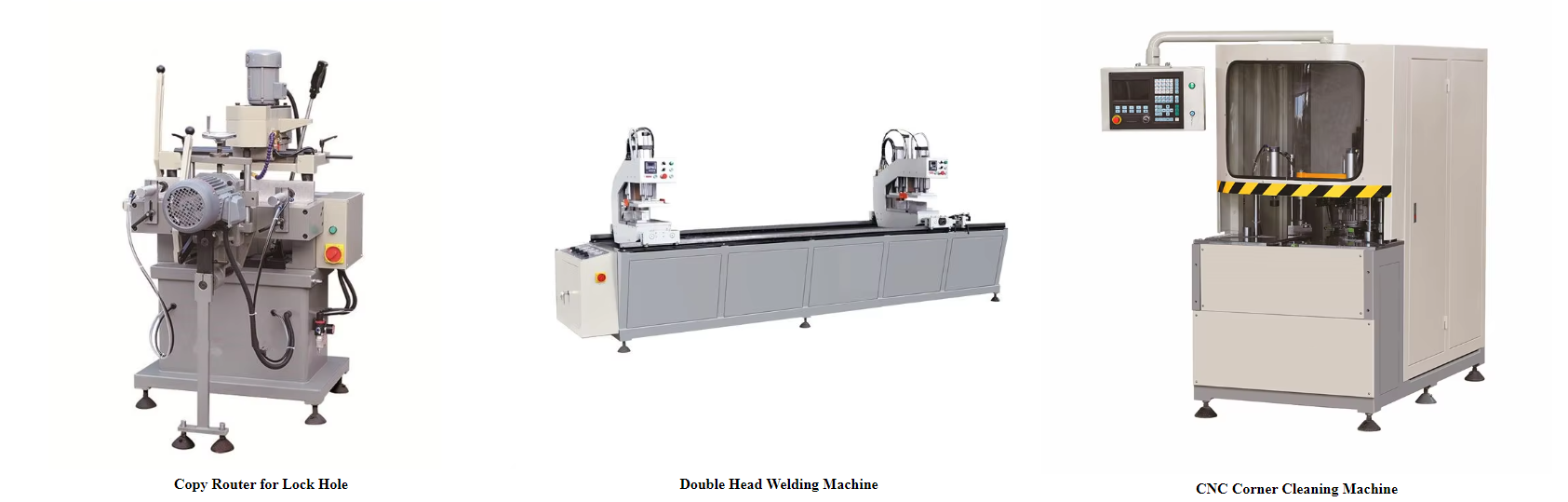
Top Shock-Absorbing Materials for Aluminum Window Machines
Protecting precision aluminum window machinery during transit requires materials that absorb impact and prevent resonance damage. Selecting the right shock absorbing packaging for aluminum window machines balances cushioning performance with structural integrity—critical given the average $740k cost of equipment repairs after transit damage (Ponemon 2023).
Polyurethane Foam: Balanced Cushioning and Structural Support
When it comes to absorbing energy, polyurethane foam works really well because it compresses in a controlled way. This makes it great for applications involving heavy aluminum parts and various drive systems. The material can be adjusted to different densities ranging from about 1.8 to 2.5 pounds per cubic foot. What this means is that when something gets dropped, the foam offers increasing resistance against those sudden G-forces without letting the crate move around too much. Compared to regular EPS foam, the open cell design actually spreads out impact forces approximately 80% better, which helps protect delicate CNC calibration equipment inside packaging. Another benefit worth mentioning is how little it bounces back after compression (less than 10%). That characteristic stops any unwanted secondary shocks from happening. Plus, since it resists moisture pretty well, we know it will keep performing consistently even when stored in damp conditions.
Viscoelastic Polymers: Ultra-Low Resonance Damping for High-Precision Components
Viscoelastic polymers give servo motors and optical alignment systems much better vibration damping capabilities. They convert around 94% of impact energy into heat according to recent research from Material Flexibility Study in 2023. These special thermoset materials work differently across various frequencies, effectively canceling out resonance problems between about 10 to 500 Hz where precision bearings often develop tiny cracks. What makes these materials stand out compared to regular rubber is their almost complete lack of memory deformation. This means they maintain even pressure distribution during long shipping periods without warping or changing shape. Combine them with dynamic load mapping technology and failure rates drop by roughly two thirds during transportation tests. For manufacturers dealing with components that require tolerances below 0.01mm, these materials have become absolutely critical for keeping sensitive parts safe during transit.
Customized Shock-Absorbing Packaging Design for Tailormade Machines
Standard packaging fails to protect the complex geometries of aluminum window fabrication equipment. Custom shock absorbing packaging for aluminum window machines integrates advanced materials with digital design to deliver precise, reliable protection.
CNC-Machined Foam Inserts for Complex Aluminum Extrusion Tool Geometries
CNC-machined polyurethane or polyethylene foam inserts conform exactly to the contours of extrusion dies and cutting heads. By eliminating movement during transit, they prevent costly damage through:
- Zero-clearance nesting for irregular tools like corner crimpers
- Graduated density zones to support delicate calibration sensors
- Precision channels for hydraulic fittings and protrusions
Using a 3D scan-to-CAD workflow, inserts achieve <2mm accuracy across surfaces larger than 3m², avoiding micro-shifts that could trigger $500k+ recalibration expenses.
Dynamic Load Mapping to Optimize Force Distribution in Shipping Crates
Simulation models analyze machine-specific stress points by evaluating:
- Weight distribution (e.g., 70% mass in hydraulic stations)
- Resonance frequencies of sensitive components
- Likely impact vectors in rail and sea transport
| Parameter | Standard Packaging | Dynamic-Mapped Packaging |
|---|---|---|
| Peak G-Force | 55G | <22G |
| Vibration Transfer | 85% | 37% |
This data guides the placement of viscoelastic isolators and honeycomb cardboard buffers, reducing failure rates by 63% in logistics validation studies.
Validating Performance: ISTA Testing and Real-World Logistics Data
ISTA 3A Certification Results for Shock-Absorbing Packaging Aluminum Window Machines
The ISTA 3A certification basically proves how good shock absorbing packaging works for those aluminum window machines. The test simulates what actually happens in shipping situations like when packages get dropped, vibrated around, or compressed against other items. According to the reports from ISTA, packaging that passes this certification cuts down on damage during transport by almost 98%. And we're not just talking theory here either. Actual sensors placed on shipments show that the G forces stay under 50g while traveling on highways, which is totally safe for those sensitive CNC systems. When manufacturers combine the ISTA standards with actual performance numbers from the field, they create something pretty solid. This means the machines typically arrive at their destination working properly even after going through all sorts of rough handling in the supply chain.
FAQ
What are some shock-absorbing materials used in packaging aluminum window machines?
Common shock-absorbing materials include polyurethane foam and viscoelastic polymers. These materials are used due to their ability to absorb impact and prevent resonance damage during transit.
Why is polyurethane foam important for packaging?
Polyurethane foam provides balanced cushioning and structural support by compressing in a controlled way to absorb energy. It prevents movement and distributes impact forces more effectively than standard foam.
How do viscoelastic polymers help in protecting high-precision components?
Viscoelastic polymers provide ultra-low resonance damping, converting impact energy into heat and maintaining even pressure distribution to protect sensitive parts during long shipments.
How does CNC-machined foam inserts improve packaging protection?
CNC-machined foam inserts precisely conform to tool geometries, preventing movement during transit, and lowering the risk of damage to complex aluminum extrusion tools and parts.
What are the benefits of ISTA 3A certification?
ISTA 3A certification indicates that shock-absorbing packaging is highly effective, reducing transport-related damage by about 98%, as confirmed by performance sensors in real logistical scenarios.
Table of Contents
- Top Shock-Absorbing Materials for Aluminum Window Machines
- Customized Shock-Absorbing Packaging Design for Tailormade Machines
- Validating Performance: ISTA Testing and Real-World Logistics Data
-
FAQ
- What are some shock-absorbing materials used in packaging aluminum window machines?
- Why is polyurethane foam important for packaging?
- How do viscoelastic polymers help in protecting high-precision components?
- How does CNC-machined foam inserts improve packaging protection?
- What are the benefits of ISTA 3A certification?