 EN
EN

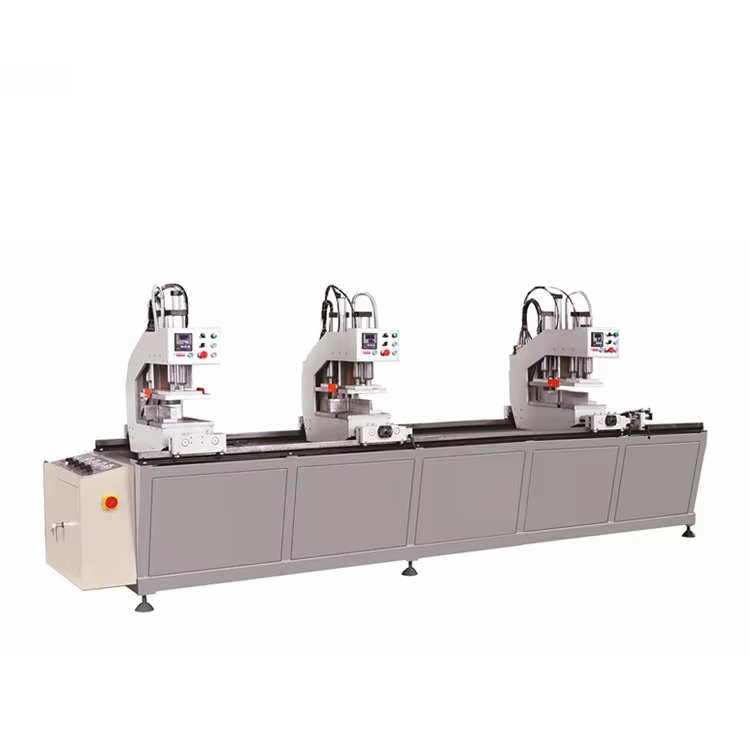
Core Accelerated Weathering Tests for Aluminum Window Machines
Xenon Arc UV Exposure (ASTM G155) and Its Relevance to Real-World Aluminum Degradation
Xenon arc testing simulates full spectrum solar radiation (including ultraviolet, visible light, and infrared) along with humidity changes and temperature fluctuations. This makes it one of the most realistic ways to accelerate weathering tests on aluminum window parts. Compared to narrow band UV testing methods, the spectral output according to ASTM G155 standard actually mirrors what happens naturally under sunlight. When exposed over time, aluminum alloys tend to break down in specific ways we can see clearly: colors fade from organic coatings, powder finishes turn chalky, and tiny cracks form in those anodized layers. Field tests back this up pretty well too. Aluminum profiles subjected to 1000 hours testing under ASTM G155 conditions show similar damage to oxide layers as what happens after about five years sitting out in places with intense UV exposure and lots of moisture, think coastal regions such as southern Florida for instance. The water spray cycles built into the standard replicate thermal shocks caused when hot surfaces get hit by rainwater, letting us check how well sealants stick and how resilient coatings remain against wear and tear these factors cause over many years.
Time Compression Principles: How Lab Cycles Translate to 20+ Years of Outdoor Service Life
Accelerated weathering chambers compress decades of environmental stress by intensifying individual stressors while preserving their synergistic interactions. This multi-stress approach enables reliable prediction of long-term performance without waiting for real-time aging:
| Acceleration Factor | Lab Equivalent | Real-World Correlation |
|---|---|---|
| UV Radiation | 3× spectral intensity | 1 lab hour ⟶ 8 peak sun-hours |
| Thermal Cycling | ±15°C extremes | 1 cycle ⟶ 30 daily temperature shifts |
| Humidity Exposure | 95% RH spikes | 24 hours ⟶ 6 months at dew point |
Field testing has shown this approach works well when looking at real world issues like how corrosion develops in saltwater areas or how materials behave after going through many temperature changes. Basically, running tests for just 500 hours gives us pretty good confidence about what will happen over 20 years of actual use. When it comes to aluminum specifically, we measure how much it bends back and forth during these expansions and contractions. We also check if the joints stay intact under stress. These measurements help factory folks make sure their window manufacturing equipment can handle around 100 thousand thermal cycles without breaking down before putting anything into production.
Beyond Salt Spray: Advanced Corrosion Resistance Testing for Aluminum Window Machinery
Why ASTM B117 Fails Aluminum Extrusions — Limitations in Simulating Coastal and Urban Environments
The ASTM B117 salt spray test isn't really telling us much about how aluminum window components hold up in actual conditions since it only looks at chloride exposure and misses all the other stress factors buildings face today. Coastal areas are especially tough on aluminum products because they deal with UV rays, salt deposits, and moisture that causes galvanic corrosion at the same time. None of these real world conditions get replicated properly in the ASTM B117 setup. Things get even worse in cities where there's sulfur dioxide coming from factories plus road salt used during winter, which breaks down rubber seals and creates corrosion problems right where metal parts connect. We've seen plenty of cases where products passed thousands of hours in the lab test but started showing serious wear after just a few months installed outside. This points to a big difference between meeting paper standards and actually lasting through what materials encounter day to day.
Multi-Stress Weathering Test Protocols: UV + Humidity + SO₂ + Chloride (ISO 21220, ASTM D5894)
Standards such as ISO 21220 and ASTM D5894 address this gap by integrating four key stressors in synchronized, cyclic sequences:
- Xenon arc UV radiation to accelerate photochemical degradation of powder coatings and polymer seals
- Humidity cycling to drive electrochemical corrosion and blistering at coating-substrate interfaces
- Intermittent SO₂ gas exposure to simulate urban industrial pollution and acid rain effects
- Periodic salt spray to replicate coastal chloride deposition and crevice corrosion risks
Running a 3 week test cycle following these protocols creates wear patterns that match what happens after about two years near the coast. This method checks how well joints hold together, coatings stick to surfaces, and hardware resists rust much better than just doing standard salt fog tests alone. When it comes to aluminum window systems, this comprehensive testing gives manufacturers concrete information about how products will perform in different regions. It helps get certified according to ISO 12944-6 standards for environments ranging from C3 to C5, and means companies don't have to guess so much about how long their products will last before needing replacement or repair.
Standards Alignment: Matching Weathering Test for Aluminum Machines to Building Lifecycle Expectations
The accelerated weathering tests need to account for the 50 to 100 year lifespan we expect from both commercial buildings and homes. Today's environmental simulation equipment does this job by mimicking how different types of damage accumulate over time rather than looking at single stress factors separately. These systems combine controlled exposure to ultraviolet light, temperature changes, moisture levels, and various pollutants. The time compression ratios found in standards like SAE J2527 and ISO 21220 have been proven through actual testing. Take coastal areas for instance where aluminum tends to corrode about 4.8 times faster when exposed to both UV radiation and chloride compared to chloride exposure alone. Testing frameworks such as ISO 12944-6 help connect laboratory findings with real world conditions across different environments ranging from industrial zones marked as C3 up to harsh marine settings labeled C5. This ensures that aluminum components in windows comply with local regulations wherever they're installed. Manufacturers who follow these testing guidelines can document their products' lasting performance characteristics, cut down on replacement costs by around 31 percent over time, and contribute to greener construction methods backed by solid evidence of material longevity.
FAQ
What is Xenon Arc UV Exposure and why is it important for aluminum window machinery?
Xenon Arc UV Exposure simulates full spectrum solar radiation to realistically accelerate weathering tests on aluminum window parts. It is important because it provides insights into how aluminum will degrade over time when subjected to natural sunlight and other environmental conditions.
How does accelerated weathering testing relate to real-world service life of aluminum windows?
Accelerated weathering testing compresses decades of environmental stress into shorter periods by intensifying stressors. This method allows manufacturers to predict the long-term performance of aluminum without waiting for real-time aging, ensuring the materials can withstand prolonged exposure to various environmental conditions.
Why is the ASTM B117 salt spray test inadequate for aluminum extrusion testing?
The ASTM B117 salt spray test focuses only on chloride exposure and does not replicate the combination of stress factors such as UV rays, salt deposits, and moisture that aluminum products encounter in coastal or urban environments.
What are multi-stress weathering test protocols and their advantages?
Multi-stress weathering test protocols integrate multiple environmental stressors like UV radiation, humidity, and pollutants in synchronized sequences. These protocols provide a more comprehensive performance assessment of aluminum under real-world conditions, especially in harsh environments.
How do manufacturers benefit from compliance with weathering test standards like ISO 12944-6?
Compliance with standards like ISO 12944-6 ensures that aluminum components meet local regulations, improving product durability, reducing replacement costs, and facilitating greener construction practices based on proven material longevity.
Table of Contents
- Core Accelerated Weathering Tests for Aluminum Window Machines
- Beyond Salt Spray: Advanced Corrosion Resistance Testing for Aluminum Window Machinery
- Standards Alignment: Matching Weathering Test for Aluminum Machines to Building Lifecycle Expectations
-
FAQ
- What is Xenon Arc UV Exposure and why is it important for aluminum window machinery?
- How does accelerated weathering testing relate to real-world service life of aluminum windows?
- Why is the ASTM B117 salt spray test inadequate for aluminum extrusion testing?
- What are multi-stress weathering test protocols and their advantages?
- How do manufacturers benefit from compliance with weathering test standards like ISO 12944-6?