 EN
EN

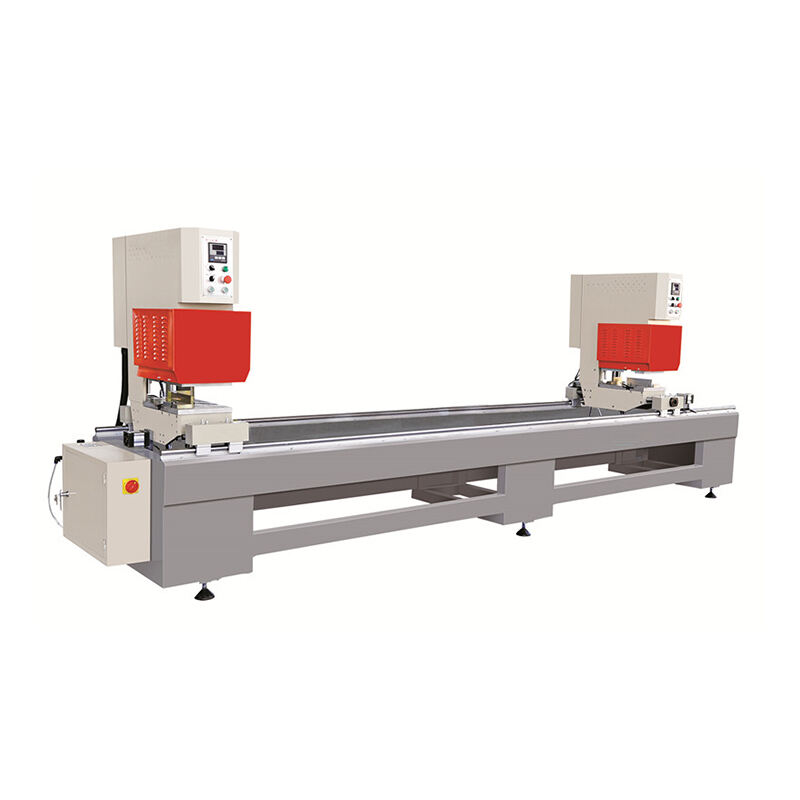
Real-Time Sensor-Based Validation of Joint Strength in Automated Assembly
Phenomenon: Dynamic Load Transients During Resistance Spot Welding of 6060-T6 Aluminum Frames
When spot welding 6060-T6 aluminum frames using Resistance Spot Welding (RSW), there's something interesting happening during the quick solidification phase. The process creates sudden load changes that can go over 12 kN per millisecond because of temperature differences between the hot 550 degree Celsius nugget center and the cooler metal around it. What happens next? Well, these temperature related stresses actually start tiny cracks in about 18 out of every 100 joints that haven't been treated properly. Now we have these high speed sensors that take measurements at 20 thousand times per second, which lets us see what's going on during those brief moments after welding. We notice fluctuations going beyond plus or minus 5 kN from normal levels just five milliseconds after completing the weld. These spikes tell us when the solidification isn't stable enough. Being able to detect this in real time means manufacturers can adjust their settings right away before bad welds move further along the production line. This capability forms the foundation for automated tests that check joint strength automatically throughout manufacturing processes.
Principle: Correlating Electrode Displacement Rate and Current Decay Slope with Nugget Integrity
Weld nugget integrity in aluminum assemblies is reliably predicted using two synchronized, sensor-derived parameters:
- Electrode displacement rate (>0.8 mm/s confirms adequate plastic deformation)
- Current decay slope (<−12 kA/s reflects optimal solidification kinetics)
| Parameter | Optimal Range | Defect Correlation |
|---|---|---|
| Displacement rate | 0.8−1.2 mm/s | <0.6 mm/s − Cold weld |
| Current decay slope | −12 to −15 kA/s | >−9 kA/s − Shrinkage voids |
Machine learning models cross-reference these metrics with thermal imaging data, achieving 92% accuracy in predicting shear strength. This dual-parameter framework underpins modern mechanical joint verification systems—and eliminates reliance on post-weld destructive testing.
Case Study: Leading Automotive Manufacturer's Inline RSW Monitor Reducing Post-Process NDT by 73% on Curtain Wall Subassemblies
A Tier 1 automotive supplier deployed an inline RSW monitoring system across curtain wall production, integrating laser-based displacement measurement and high-fidelity current sensing with statistical process control (SPC). The system automatically triggers rework when detecting:
- Displacement deviations >0.15 mm from golden-sample baselines
- Current decay anomalies exceeding ±1.5 kA/s
This implementation reduced post-process Non-Destructive Testing (NDT) sampling by 73%, increased mean joint strength by 19%, and delivered $2.3M in annual savings—demonstrating how real-time structural integrity testing transforms quality control economics without compromising reliability.
Load-Bearing Capacity Evaluation Using In-Line Shear Force and Statistical Process Control
Trend: Shift from Destructive Pull-Test Sampling (1/500) to Statistical Process Control Using In-Line Force-Moment Sensors
Manufacturers are shifting away from those destructive pull tests that used to check only about 1 out of every 500 units. Instead they're turning to continuous monitoring systems that validate joint strength without damaging anything, thanks to inline force moment sensors. What these little gadgets do is send live shear force and moment readings right into statistical process control software. The result? Dynamic control charts that track process stability across all products, not just samples. Manual sampling methods often miss those occasional problems that pop up between checks. But with this new method, every single joint gets its full force displacement curve recorded during regular production runs. Plants that have made the switch are seeing around 42 percent less material going to waste, and still catching defects at rates under 0.3 percent according to research published last year in the Journal of Advanced Manufacturing.
Strategy: Dual-Threshold Validation—Static Yield Threshold (≥8.2 kN) + Dynamic Shear-Rate Threshold (≥14 MPa/s)
Top-performing plants implement dual-threshold validation that simultaneously evaluates:
- Static yield strength: A minimum ultimate load of 8.2 kN—aligned with the theoretical shear capacity of 6060-T6 aluminum
- Dynamic shear-rate behavior: Deformation rates ≥14 MPa/s during loading, which flag early-stage fatigue susceptibility
The approach separates brittle fracture risks using fixed thresholds from gradual wear patterns detected through slope changes over time. When built into those real time SPC dashboards we've all been talking about lately, the system can analyze each joint's force displacement curve within roughly three quarters of a second. That quick processing lets the machine either tweak parameters automatically or flag parts for rejection before they cause problems. According to field data from ASM International back in 2024, actual failures on site went down around two thirds once this method was put into practice. Makes sense really when considering how critical these structures need to be for safety reasons across various industries.
Nondestructive Joint Assessment via Acoustic Emission and Strain Mapping in Noisy Production Environments
Industry Paradox: High-Frequency AE Sensitivity vs. Production-Line Electromagnetic Noise Floor in CNC-Guided Assembly Cells
Acoustic Emission or AE testing brings something special to the table when assessing joints without damaging them. The method picks up those high frequency stress waves around 100 to 300 kHz that happen when tiny cracks start forming in aluminum welds. This gives engineers real time information about how strong a structure is all while production keeps running normally. However there's a problem in CNC guided assembly areas where all sorts of electromagnetic interference comes from servo drives and those variable frequency inverters. This background noise can get as loud as 80 decibels and often drowns out important AE signals we need to detect. We end up stuck trying to balance sensitive sensors against harsh environments. Even with fancy signal processing techniques and Faraday shields to cut down on noise, these methods still miss some issues in really noisy conditions. Strain mapping helps too by showing where big stresses are building up across surfaces, but it just doesn't catch those fast developing micro fractures quickly enough. That's why AE stays so valuable whenever ambient noise levels allow it, and explains why more manufacturers are turning to combined sensor approaches for better results when validating joint strength automatically.
FAQ
What is real-time sensor-based validation in automated assembly?
Real-time sensor-based validation involves using sensors to continuously monitor the assembly process, ensuring joint strength and quality are maintained throughout production without manual or post-process checks.
How can manufacturers detect unstable solidification during welding?
Manufacturers can use high-speed sensors to detect fluctuations in load transients during welding. If these fluctuations exceed certain thresholds, it indicates unstable solidification that requires immediate adjustment.
What advantages do inline force-moment sensors offer?
Inline force-moment sensors provide live measurements of shear force and moments, allowing for real-time adjustment and validation of joint strength, reducing waste and improving defect detection rates.
How does dual-threshold validation work?
Dual-threshold validation uses two criteria: static yield strength and dynamic shear-rate behavior, allowing plants to detect both brittle and gradual wear-related defects more accurately in production.
Table of Contents
-
Real-Time Sensor-Based Validation of Joint Strength in Automated Assembly
- Phenomenon: Dynamic Load Transients During Resistance Spot Welding of 6060-T6 Aluminum Frames
- Principle: Correlating Electrode Displacement Rate and Current Decay Slope with Nugget Integrity
- Case Study: Leading Automotive Manufacturer's Inline RSW Monitor Reducing Post-Process NDT by 73% on Curtain Wall Subassemblies
- Load-Bearing Capacity Evaluation Using In-Line Shear Force and Statistical Process Control
- Nondestructive Joint Assessment via Acoustic Emission and Strain Mapping in Noisy Production Environments
- FAQ