 EN
EN

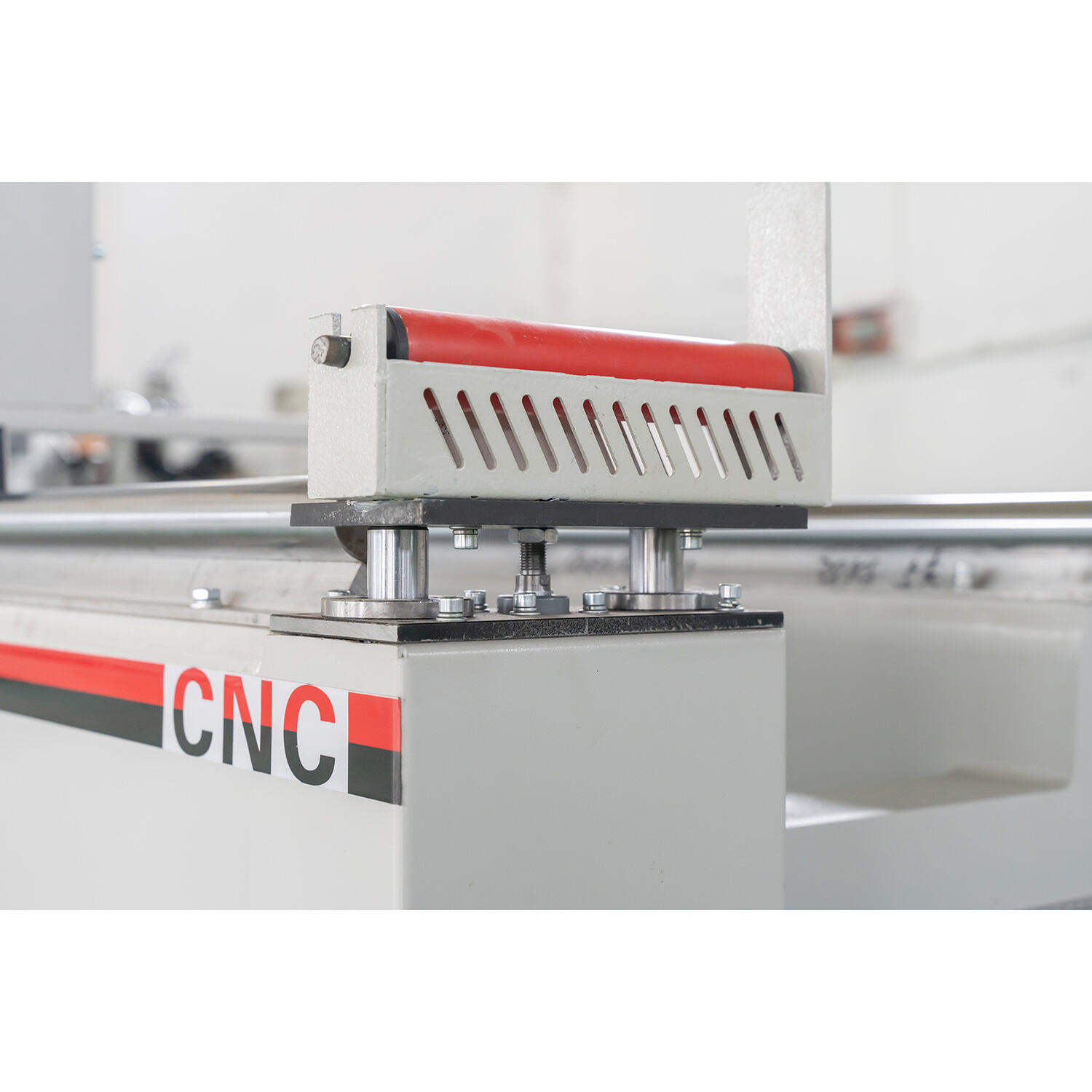
Spindle Configuration and Cutting Precision
How Single vs Dual Head V-Notch Saw Design Affects Symmetry and Alignment Accuracy
The way spindles are built really affects how accurate these v-notch saws can be when comparing single and dual head models. With dual heads, both sides get cut at once so there's no need to move the material around again, which means those pesky positioning errors just don't happen like they do with single head systems. The result? Angular measurements stay within about half a tenth of a degree, something manufacturers in aerospace and auto industries rely on because even small alignment issues can lead to big problems down the road. Single head machines work differently though. They have to make one cut after another, and heat buildup during this process tends to push tolerances out to around quarter of a degree, as many machinists have observed over time. Another key difference lies in rigidity. Dual spindle setups spread out the force from cutting across two columns instead of one, cutting down on vibrations by roughly forty percent compared to their single spindle counterparts. When working with long aluminum pieces over six meters, this makes all the difference. Without proper stability, those annoying chatter marks show up on surfaces, messing with weld quality and overall appearance.
Real-World Impact: Window and Curtain Wall Fabrication Case Study
For those working on high rise curtain walls, dual head saws really stand out when it comes to getting things right and doing them fast. Take one company in Europe that had trouble with notches going off track in their window frames. They were seeing about 12% misalignment issues across over 10 thousand frames before they upgraded to a dual head system. After making the switch, that number dropped down to just 0.8%, which translated into around $740k saved each year on fixing mistakes (Ponemon 2023). What makes these systems so good is their ability to cut both sides at once, especially important for those tricky compound angle notches found in thermally broken aluminum profiles. With regular single head machines, this kind of work takes roughly three times longer to calibrate properly. The dual spindle design keeps everything pretty much spot on too, maintaining a tight ±0.05mm kerf width throughout an entire 8 hour shift. This consistency helps ensure that silicone gaskets fit together seamlessly. Still worth noting though, smaller operations that only handle batches under 50 units might actually save money sticking with single head setups instead. Sure there's a bigger margin for error somewhere between 15% and 20%, but the upfront costs are significantly lower.
Accuracy, Rigidity, and Repeatability Requirements
Why High-Accuracy V-Notching Demands Tight Tolerances (< ±0.1°) and Thermal Stability
Getting V-notch angles right demands tolerances better than ±0.1 degrees, plus good control over heat issues. We've seen cases where just a 5 degree temperature swing causes around 0.05 mm per meter dimensional changes in aluminum extrusions, which really messes up the joints in curtain walls. When workshops get too hot or cold, things go wrong fast. Steel notching can drift as much as 0.15 degrees when temperatures vary by 10 degrees across the workshop floor. The latest machines tackle these problems several ways. Granite tables help because they expand less when heated. Some systems use encoders to constantly check and adjust for spindle movement during cutting. And many now have active cooling setups that keep temperatures within about 1 degree Celsius range, making all the difference for precision work.
Trade-offs: Dual-Head Rigidity vs Single-Head Calibration Simplicity
Dual head setups provide better structural stability and distribute forces evenly throughout the machine, which means parts can be produced repeatedly with just 0.08mm variation between batches. These specs have actually been tested against the latest aerospace manufacturing guidelines from AS9100:2023. The machines also handle vibrations much better than standard models when subjected to heavy workloads, making them last longer without losing precision over time. But there's a catch worth mentioning here. Because of how complicated these dual head mechanisms are, they need regular laser alignments every week or so to keep everything running smoothly. On the flip side, single head systems make life easier for technicians since they only deal with one spindle at a time. Calibration becomes straightforward work with these units, hitting around plus or minus 0.12 degrees of angular accuracy. And let's not forget about maintenance costs either. Shops that switch to single head machines typically spend about half as many hours on upkeep compared to dual head alternatives. This makes sense especially for smaller operations dealing with all sorts of different materials and constantly switching between jobs.
Production Needs: Volume, Throughput, and Flexibility
When High-Volume Output Justifies Dual Head Investment
When dealing with operations that handle more than 500 units each shift, dual head V notch saws really start to shine in terms of getting things done faster. The ability to cut both sides at once means no waiting around for tools to change or machines to reposition, which boosts overall output somewhere between 40% to 60% when compared with those old single head systems according to the Fabrication Efficiency Report from last year. Looking at return on investment, this makes a big difference too. For companies working with around 10 thousand linear feet every day, they usually get their money back on these dual head machines within about a year and a half thanks mainly to reduced labor costs and quicker turnaround times for orders. Curtain wall production facilities especially see great benefits from this setup since they need continuous cutting without interruptions while maintaining tight tolerances if they want to hit those critical construction deadlines.
Single vs Dual Head V-Notch Saw Trade-offs in Job-Shop vs Line-Production Environments
Job shops handling small, diverse batches favor single-head saws for their lower cost and faster setup. Profile changes take under 15 minutes, making them ideal for custom architectural aluminum extrusions. In contrast, dedicated production lines rely on dual-head rigidity for continuous, high-accuracy output. The core trade-off is flexibility versus throughput:
- Job shops: Accept 20–30% slower cycle times for adaptive cutting across varied jobs
-
Mass production: Sacrifice quick-change versatility for consistent output of 70+ cuts per hour
Annual volume is a key decision factor: below 50,000 units, single-head systems often suffice; above this threshold, dual-head configurations deliver better long-term value through production volume considerations.
Machine Specifications That Determine Optimal Configuration
Critical Specs: Spindle Power, Speed Range, Table Size, and Positional Accuracy
When deciding between single and dual head V-notch saws, there are basically four things that matter most. First up is spindle power ranging from around 5 to 15 horsepower. This affects how well the machine handles thick wall sections in aluminum or steel. Not enough power means problems like chatter and angle drift beyond about 0.1 degree off target. Next comes speed range which typically spans 3,000 to 12,000 RPM. Different materials need different approaches here. Faster speeds help avoid galling when working with aluminum, but slower cuts give better control for steel pieces. Don't forget about table dimensions either. The table needs space for whatever length parts will be cut plus room for clamps and fixtures. Otherwise workers end up moving pieces back and forth, which just creates more chances for misalignment. And finally, positional accuracy matters a lot too. For curtain wall fabrication jobs, staying within 0.05 mm tolerance isn't optional. Even small errors add up over multiple notches and can compromise the whole structure's integrity down the line.
Material & Geometry Influence: Aluminum Extrusions vs Steel Profiles
What material we're working with and the shape of the part makes all the difference when picking equipment. Aluminum is light weight so we can push feed rates higher, but it needs really solid setup to avoid those annoying vibrations that mess up thin walls. Steel tells a different story altogether. We have to slow things down and crank up the torque because otherwise cutting forces just tear through the metal. That's why many shops go for dual head machines when dealing with deep cuts that need stability. When parts get complicated too, especially those weird shaped extrusions, dual heads shine since they let us adjust angles at the same time. Simple stuff like rectangular tubing works fine with regular single head systems most of the time. Window manufacturers know this well - switching to dual heads can cut production time by around 40% for complex jobs. But smaller operations might find the extra setup hassle worth avoiding unless they're doing massive volumes regularly.
Versatility, Bevel Capability, and Future-Proofing
Dual-Head Advantages for Bidirectional and Compound Angular Cuts
Dual head V notch saws really shine when dealing with complicated fabrication tasks because they allow cutting in both directions at once. When making those tricky compound bevels like 45 degree miters combined with about 22 degrees offset, everything gets done in one go without having to move parts around again and again which messes up the ±0.1 degree accuracy requirements. With these machines handling asymmetric curtain wall profiles becomes much easier since each spindle works on its own plane independently. Setup times drop somewhere between a third and half compared to what we see with regular single head systems. What makes twin spindle models stand out is their solid construction that maintains even pressure throughout the whole cutting process. This helps avoid tiny cracks forming in high quality aluminum used for aircraft parts that would otherwise happen from all that shaking around during operation.
Can Modern Single Head V-Notch Saw Systems Deliver Comparable Flexibility?
Modern single head systems come equipped with servo controlled rotary tables and adjustable angle compensation features, giving them around 0.15 degree accuracy on regular bevel cuts. These machines handle most everyday profiles just fine, but run into trouble when faced with complex shapes such as those tricky double reverse miters that need constant manual adjustments. The extra time spent on these corrections adds about 40% to overall cycle times and can accumulate errors past 0.3 degrees after making fifty consecutive cuts. Small workshops looking to keep things simple and affordable still find value in single head setups. But companies expecting their workload to grow towards more complicated angles and bidirectional cuts would probably be better off going straight for dual head systems from the start. They offer much greater flexibility down the road and maintain tighter tolerances even during demanding operations.
FAQ Section
What is the main difference between single and dual head V-notch saws?
Dual head saws cut both sides at once, reducing positioning errors and tolerance issues compared to single head saws that require sequential cuts.
How do dual head saws improve cutting precision?
Dual head setups distribute cutting force across two columns, reducing vibrations by around forty percent, leading to better stability and precision.
Why might a company choose a single head saw over a dual head saw?
Single head saws are preferred by smaller operations for their lower upfront costs, ease of calibration, and less complex maintenance requirements.
What are the benefits of using dual head saws in high-volume operations?
Dual head saws increase throughput by 40% to 60%, making them ideal for operations handling over 500 units per shift, with faster production cycles and fewer errors.
How does temperature affect cutting precision?
Temperature swings can affect material dimensions, causing misalignment. Modern machines use granite tables and active cooling to maintain thermal stability and precision.
Table of Contents
- Spindle Configuration and Cutting Precision
- Accuracy, Rigidity, and Repeatability Requirements
- Production Needs: Volume, Throughput, and Flexibility
- Machine Specifications That Determine Optimal Configuration
- Versatility, Bevel Capability, and Future-Proofing
-
FAQ Section
- What is the main difference between single and dual head V-notch saws?
- How do dual head saws improve cutting precision?
- Why might a company choose a single head saw over a dual head saw?
- What are the benefits of using dual head saws in high-volume operations?
- How does temperature affect cutting precision?