 EN
EN

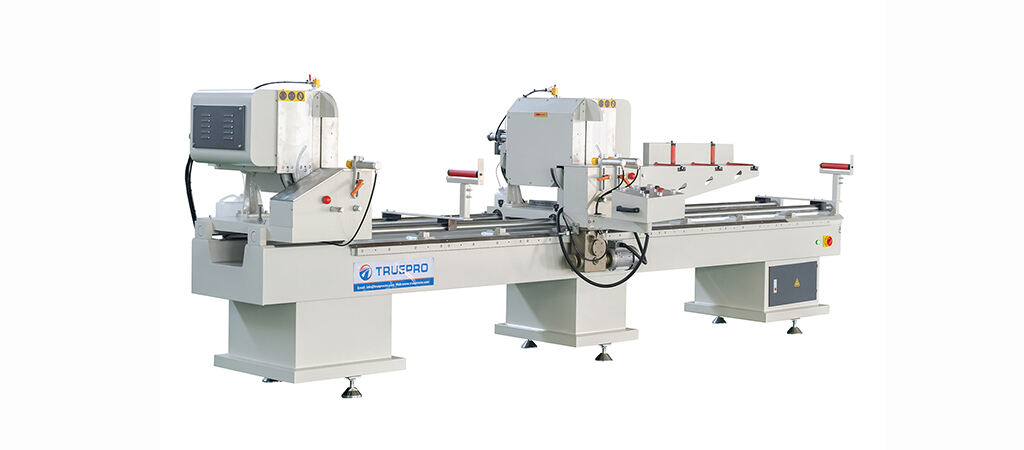
Why Automated Spacer Bending Is Essential for Irregular IGUs
When workers bend aluminum spacers for those tricky irregular Insulating Glass Units (IGUs), they often end up with inconsistent results. Standard techniques just can't handle odd shapes like arches, trapezoids, or multi-sided polygons very well, leading to angle errors sometimes over 1.5 degrees off target. These small mistakes matter a lot because they weaken both the thermal seal and the desiccant inside, which we know from field tests actually doubles the risk of problems down the road. The solution? Automated bending machines that use electric servos instead of manual tools. These systems keep everything sealed tight even when dealing with complicated forms such as curved glass panels or asymmetrical designs. What sets them apart from regular CNC machines is how they adjust on the fly for materials that remember their original shape after being filled with desiccant. During those tough nonlinear bends, the robots compensate automatically so corners stay consistent without creating kinks that would ruin insulation properties. Manufacturers love this technology too since it reduces wasted spacers by around 30 percent and speeds up production time for custom IGUs by nearly two thirds. That makes all the difference for premium architectural projects where exact measurements are required far beyond what simple rectangular units need.
Overcoming Technical Barriers in Automated Spacer Bending for Irregular IGUs
Automated spacer bending for irregular IGUs faces two primary technical hurdles: geometric complexity and material unpredictability. Traditional CNC bending systems often fail to achieve the sub-millimeter precision required for non-rectangular shapes like trapezoids or arches due to rigid programming constraints.
Geometric Complexity vs. Traditional CNC Limitations
Traditional manufacturing setups have real trouble handling those tricky nonlinear curves and complex compound angles, which often leads to problems when putting together the final product. That's where modern tech comes in handy. These days, many shops use servo electric bending stations equipped with path compensation features that adjust on the fly as materials spring back after being bent. Speaking of which, multi-axis robotic controls make all the difference when it comes to adapting to continuous curves something absolutely necessary for things like cathedral windows or round skylights. The error rates drop dramatically too around 92% less than what we see with manual techniques according to industry data. And this level of accuracy doesn't just look good on paper it actually makes a world of difference when integrating these components into IGU assembly lines across the glass manufacturing sector.
Material Behavior of Desiccant-Filled Spacers Under Nonlinear Bending
When working with desiccant-filled aluminum spacers, there are some real headaches when they get bent out of shape. If someone tries to bend these things too aggressively, the desiccant inside gets damaged, which opens the door for moisture to sneak in. That's why we need those special bending profiles that keep the radius at least four times the material thickness. This approach stops those tiny cracks from forming and keeps the adsorption capacity hovering around 98% even after bending. We've also got this vision-guided system that watches the force applied during manufacturing. It makes sure the desiccant stays evenly distributed throughout the spacer and prevents leaks, which is actually one of the biggest problems manufacturers face with custom glazing projects. All these improvements have completely changed how we handle flexible spacers for curved glass installations. What used to be a tricky job requiring lots of skilled hands is now something that can be done consistently through automation. According to GlassTech Journal last year, this has slashed rework rates down by about 70%, which is pretty impressive considering how sensitive these components are.
Enabling Technologies for Reliable Automated Spacer Bending
For irregular insulating glass units (IGUs), automated spacer bending delivers the precision required for complex geometries. This technology eliminates manual errors while accommodating unique architectural designs.
Servo-Electric Bending Stations with Real-Time Path Compensation
Electric servo systems give manufacturers much better control when shaping those desiccant-packed aluminum spacers into all sorts of irregular forms beyond simple rectangles. Modern production lines actually tweak their bending settings on the fly thanks to closed loop feedback mechanisms that account for how materials tend to spring back after forming plus any minor shape inconsistencies. With real-time adjustments happening constantly, these machines can hold an impressive +/- 0.5 degree angle precision even on curved sections, which cuts down on having to redo work by around two thirds compared to older techniques. Another big plus is the power consumption aspect. Electric drives typically save between 30 and 40 percent energy versus traditional hydraulics, plus they run quieter too. This matters a lot when making trapezoidal or arch-shaped insulated glass units because even small dimensional errors will mess up the seal integrity and hurt insulation performance in the long run.
Vision-Guided Robotic End-Effectors for Sub-Millimeter Angular Tolerance
Modern vision systems let robotic arms bend custom spacer profiles with remarkable accuracy. Before any bending happens, high-res cameras track where each spacer sits, and smart software spots tiny flaws in the material that would otherwise go unnoticed. These systems can tweak the arm's position on the fly, keeping angles within about 0.1 degree tolerance most of the time. What makes this tech really stand out is how it handles warped materials and other production quirks that used to lead to failed seals on odd-shaped parts. When companies stop relying on hand measurements, they typically cut down their setup time around 45%, according to field reports. The consistency this brings matters a lot when working with tricky shapes such as multi-sided polygons or those complicated curved surfaces that give traditional methods so much trouble.
From Design to Production: Streamlining Custom Spacer Geometry
CAD-to-Machine Translation for Curved and Polygonal Spacer Profiles
The latest automated systems for bending spacers have really cracked the code on what used to be major headaches in manufacturing. Instead of relying on old-school methods, these systems take CAD drawings and turn them into accurate bending instructions right away. When dealing with those tricky curved or multi-sided IGUs, manufacturers no longer need to spend hours programming manually. The result? Far fewer mistakes in the geometry department, maybe cutting errors down by somewhere around three quarters or better. Smart software handles all sorts of complicated 3D shapes from simple trapezoids to fancy arches and even weird asymmetrical forms. What's really impressive is how these systems figure out the best way to bend each piece without human intervention. And the end product? Spacers that match digital blueprints almost exactly, keeping angular differences within half a degree or so when they hit the factory floor.
| Design Aspect | Traditional Process | Automated CAD-to-Machine Approach |
|---|---|---|
| Complex Geometry | Manual template creation | Direct digital import |
| Setup Time | 4–6 hours per unique shape | <30 minutes automated conversion |
| Error Rate | 15–20% dimensional variance | <3% deviation from CAD model |
| Lead Time | 3–5 days for custom orders | Same-day production readiness |
Parametric Modeling Interfaces Linked to Bending Kinematics
With parametric modeling tools, engineers can create their own spacer shapes and see how they'll bend on screen as they work. Changing things like corner angles or leg lengths triggers immediate calculations for where the servos need to go and what stresses the materials will face. The back and forth communication between design choices and actual bending movements helps keep compression just right, so there's no risk of desiccant leaking out during those tricky nonlinear forming stages. Companies adopting this method have seen some impressive results too. Design checks take about 40 percent less time overall, and manufacturers waste around three quarters less material when making prototypes for these unusual insulated glass units. For many shops dealing with complex orders, this means big savings both in time and resources.
FAQs
What are Insulating Glass Units (IGUs)? Insulating Glass Units are multi-panel glass windows that offer enhanced thermal and acoustic insulation properties.
Why is precision bending important for IGUs? Precision bending ensures a tight seal around the window unit, reducing the chance of thermal losses and prolonging the lifespan of the unit.
How does automated bending differ from manual bending? Automated bending uses electric servos and real-time adjustments to achieve higher precision and consistency, while manual bending often leads to errors in angle and shape, reducing the effectiveness of the seal.
Can automated systems handle complex shapes like arches or trapezoids? Yes, automated systems equipped with vision-guided robotic end-effectors can handle complex shapes with sub-millimeter accuracy.
What are the benefits of using servo-electric systems over hydraulic systems? Servo-electric systems offer better precision, lower power consumption, and quieter operation, making them ideal for complex glass units.