 EN
EN

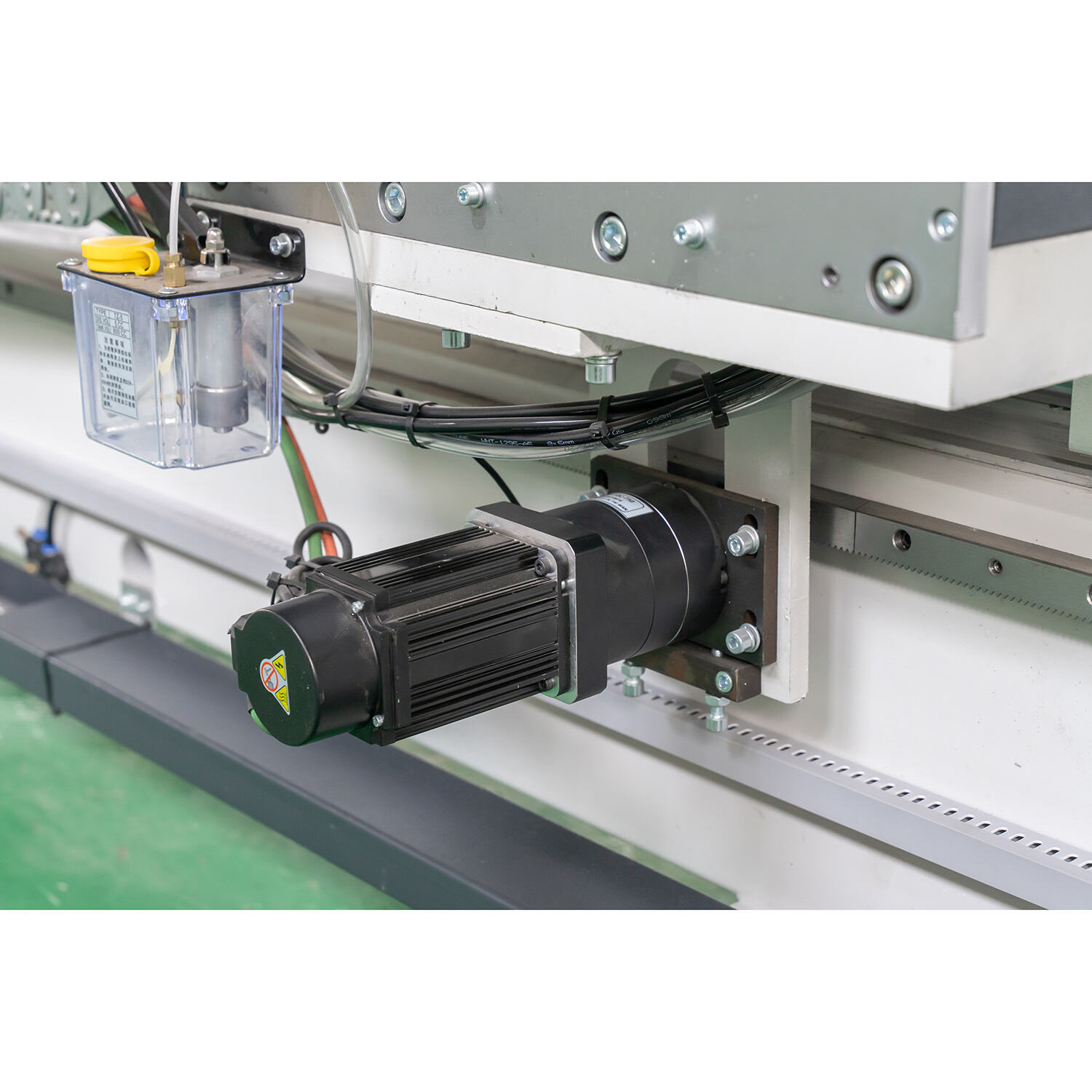
Recognize the Root Causes of Commoditization in Aluminum Profile Cutting Machines
The aluminum profile cutting machine market is becoming increasingly commoditized because of several connected problems. For starters, most manufacturers rely heavily on standard parts like common servo motors and freely available control software. This means that about 70% of basic machines actually have the same internal components these days. Then there's the whole issue of cheap manufacturing centers popping up everywhere. These places drive down prices so much that overall profits across the industry dropped around 40% after 2020. Another big factor is how fabricators tend to focus only on what they pay at the counter rather than thinking about long term costs. As a result, features that really matter for performance, such as smart cutting adjustments or systems that reduce machine vibrations, just don't get valued properly. All these factors combined leave suppliers stuck in this endless downward spiral where spending money on new ideas rarely pays off when competitors simply copy them. If manufacturers want to stand out, they need to focus on solving real production problems through solid engineering rather than trying to match every single feature their rivals offer.
Differentiate the Aluminum Cutting Machine Market Through Embedded Engineering Value
From transactional sales to process-integrated advisory partnerships
Smart manufacturers get around commoditization problems by moving away from being mere equipment sellers toward becoming real engineering partners. Instead of fighting over who has faster cutting speeds or better blades, these companies send their application engineers out to really understand how fabricators work day to day. They look at everything from when materials arrive at the plant all the way through nesting processes, finishing touches, and making sure products meet quality standards. What comes out of this collaboration? Solutions like those fancy automated nesting algorithms that actually cut down aluminum waste by around 18% according to some research published last year in Fabrication Insights. When suppliers put their technical know-how right into customers' daily operations, they stop being just another vendor and start acting as true strategic allies focused on reducing overall costs across the board rather than just selling better performing hardware.
Digital differentiation: Yield optimization, predictive maintenance, and real-time cut planning dashboards
The way companies position themselves as premium manufacturers now depends heavily on smart IoT systems that turn all that machine data into something actually useful for operations. Operators can watch real time dashboards tracking things like kerf width changes and temperature shifts, which then tweak settings automatically to keep dimensions within about 0.1mm across different production runs. These predictive tools look at how motors vibrate and blades wear down over time, cutting unexpected stoppages by around 40% when they send out warnings before problems happen. What really makes these systems valuable though is the yield optimization stuff. The algorithms boost material usage rates up close to 95% in precision work such as making curtain walls, giving businesses returns on investment that go way beyond what just buying better hardware would achieve.
Shift from Product-Centric to Customer-Centric Solutions for Fabricators
Co-developing application-specific workflows for fenestration and curtain wall production
The best manufacturers work hand in hand with fabricators when developing cutting protocols for architectural aluminum systems these days. These custom workflows actually take into consideration how different materials behave, especially things like those pesky thermal expansion gaps we see in big glazing projects. This approach cuts down on wasted setups quite a bit, maybe around 15-20%, and gets rid of those annoying compatibility issues that pop up in complicated multi-profile jobs. When it comes time to test everything out, there are these joint validation sessions where they run the cutting parameters through their paces using real project blueprints. This not only makes sure the whole process works reliably, but also gives fabricators peace of mind knowing they have control over their own production standards from start to finish.
Premium positioning via certified operator training, extended lifecycle SLAs, and performance-based warranty models
Putting customers at the center means looking at value in ways that go beyond just selling machines. Training programs for certified operators cover things like advanced nesting software and how to fine tune parameters so fabricators can consistently hit around 97% material yield rates. When it comes to service, extended SLAs promise response times under 12 hours when something really breaks down. And there are warranties tied directly to performance metrics such as cuts per hour or how consistently parts match specifications. This approach changes how we think about machines entirely. Instead of viewing them merely as expensive purchases, they become tools that drive productivity. Fabrication shops with full support contracts tend to see about 22% fewer production interruptions and get their return on investment much quicker than those without these kinds of arrangements.
Future-Proof Differentiation with Modular, Open-System Innovation
Retrofit-ready IoT intelligence and open API architecture for seamless shop-floor integration
Future-proof differentiation lies in modular, upgradeable design—not monolithic hardware refreshes. Retrofit-ready IoT sensors convert existing cutting machines into intelligent data hubs, enabling predictive maintenance that cuts unplanned downtime by 30%, according to Fabrication Tech Review 2024. This approach extends equipment lifespans while lowering upgrade costs by 40% versus full system replacements.
Open API architecture ensures seamless integration with ERP, MES, and quality management platforms—unifying sawing, deburring, and inspection workflows across high-mix production environments. The result is end-to-end data transparency that powers:
- Real-time cut planning adjustments based on incoming material variances
- Automated toolpath optimization for complex extrusion profiles
- Granular energy consumption tracking per production batch
By prioritizing modularity and interoperability, manufacturers enable incremental adoption of next-generation innovations—like AI-driven kerf compensation—without costly system overhauls. In doing so, they position themselves not as component suppliers, but as long-term strategic partners in their customers’ operational evolution.
FAQ Section
What causes commoditization in aluminum profile cutting machines?
The commoditization stems from manufacturers' reliance on standardized parts and freely available software, along with the proliferation of cheap manufacturing centers that drive down prices, leading to decreased profits and undervaluation of advanced features.
How can manufacturers differentiate themselves in a commoditized market?
Manufacturers can differentiate themselves by becoming engineering partners rather than mere equipment sellers, offering embedded engineering value, smart IoT systems, and customer-centric solutions that integrate into the fabricators' daily operations to reduce costs and optimize productivity.
What strategies can help shift focus from product-centric to customer-centric solutions?
Strategies include co-developing custom workflows, providing certified operator training, offering extended SLAs, and performance-based warranties, which emphasize value beyond the equipment itself and focus on enhancing fabricators' productivity and reliability.
How can modular, open-system innovation benefit manufacturers?
Modular innovation allows for incremental upgrades and seamless integration with existing systems, reducing costs and downtime. Open API architectures enhance interoperability across workflows, fostering long-term strategic partnerships as manufacturers evolve with customers' operational needs.
Table of Contents
- Recognize the Root Causes of Commoditization in Aluminum Profile Cutting Machines
- Differentiate the Aluminum Cutting Machine Market Through Embedded Engineering Value
- Shift from Product-Centric to Customer-Centric Solutions for Fabricators
- Future-Proof Differentiation with Modular, Open-System Innovation
- FAQ Section