 EN
EN

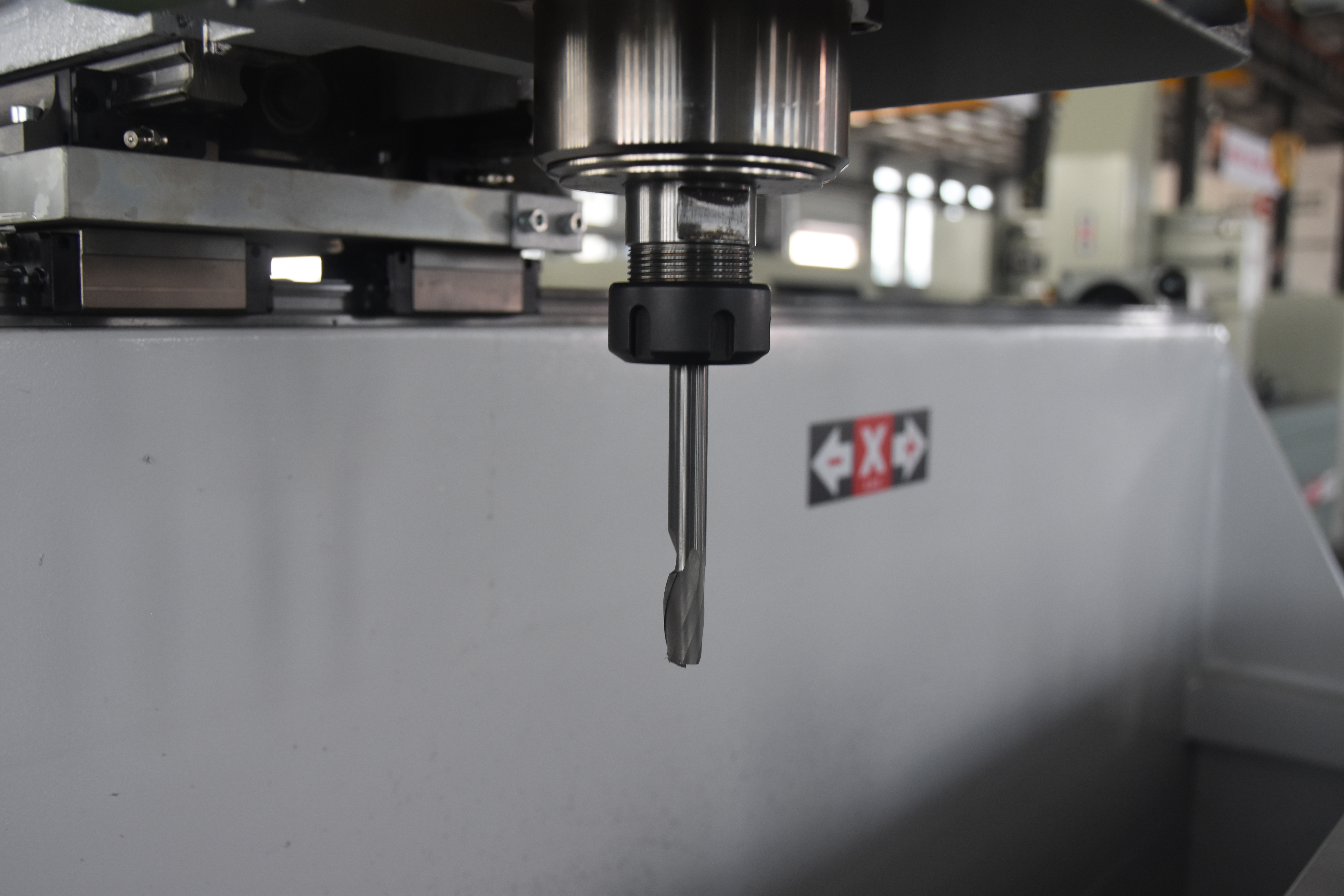
CNC Multi-Spindle Synchronization: Real-Time Control Architecture
Master-Slave vs. Peer-to-Peer Synchronization Models
When it comes to CNC machining centers, getting multiple spindles to work together smoothly depends on two main approaches: master-slave setups or peer-to-peer configurations. With master-slave arrangements, basically one spindle acts as the clock for everyone else. This works great for tasks where symmetry matters, like when making mirror images or following complex contours. All other spindles just follow along with whatever that lead spindle does. The alternative approach distributes control among all spindles equally. These peer-to-peer systems can actually correct each other's timing issues, which makes them much more reliable during tough jobs involving lots of torque, such as drilling really deep holes. According to recent findings from the Machinery Dynamics Report in 2023, these networked systems cut down on angular drift problems by about 60% in those challenging situations. No matter which method manufacturers choose, they need fast and reliable communication between components. Most shops have settled on EtherCAT as their go-to solution since it handles cycles faster than 250 microseconds, keeping positioning errors within acceptable limits around plus or minus 0.005 degrees.
Real-Time Kernel Requirements for Sub-Millisecond Phase Alignment
Sub-millisecond spindle alignment demands a hard real-time operating system (RTOS) with guaranteed worst-case latency under 50 μs. Motion control threads must execute without preemption, prioritized over background services to ensure uninterrupted execution of synchronization logic. Critical kernel capabilities include:
- Jitter tolerance below 5 μs to maintain servo loop stability
- Hardware-level timestamping of encoder pulses at the driver interface
- Priority inheritance protocols to eliminate priority inversion during critical intervals
Without these safeguards, velocity overshoot during rapid acceleration can exceed 12%, directly triggering tool chatter. Modern controllers address this through predictive torque compensation—using real-time servo current feedback to anticipate dynamic load shifts. This enables precision-intensive operations like thread milling with inter-spindle positional coherence held within 0.0002".
CNC Multi-Spindle Synchronization: Precision Feedback and Closed-Loop Stability
Dual-Encoder Integration (Motor + Gearhead) for Torque and Position Fidelity
Dual encoder systems mount one sensor on the motor shaft while placing another at the gearhead output. These configurations provide backup functionality plus valuable insights into torsion that simply cannot be achieved with just one encoder setup. The system spots when there's a mismatch caused by windup between what the machine is told to do versus where the actual tool ends up. When these differences go past about 5 arc seconds, the servos kick in with corrective torque adjustments right away. Processing lag matters a lot here too since anything over 0.5 milliseconds starts creating noticeable problems during operations like drilling multiple parts stacked together. That's why manufacturers implement special digital signal processing pipelines specifically for handling this encoder data quickly enough. Regular calibration procedures based on published sensor integration studies help combat temperature related drift issues, keeping measurements accurate over time despite changing conditions.
Mitigating Timing Drift and Velocity Overshoot During Mode Transitions
The biggest problems with synchronization tend to happen when machines are speeding up or slowing down. This is because the different spindles don't match their inertia properly, which leads to these annoying phase lags building up over time. Smart systems now use predictive math models trained specifically for each machine axis. These models adjust how fast things speed up before they actually change RPMs, which cuts down those brief errors that happen during transitions. Machines that can handle position updates at 500 Hz show around 40% less overshooting when going from drilling to threading operations. Another important feature is what engineers call anti-windup compensation built right into the PID controllers. This helps stop the controller from getting overloaded when feed rates jump suddenly, keeping everything synchronized within just a few microseconds across all spindles throughout the entire machining process.
CNC Multi-Spindle Synchronization: G-Code, PLC, and Tool Engagement Coordination
ISO 6983-2–Compliant Synchronized M-Codes for Simultaneous Spindle Enable/Disable
Getting spindle activation just right depends heavily on those standard M-code instructions we all know and love. Specifically, there's M03 for spinning clockwise, M04 for counterclockwise motion, and good old M05 to bring things to a halt. These codes come straight from ISO 6983-2 standards, which helps machines talk to each other regardless of who made them. Without these standardized commands, different controllers would have their own timing quirks that mess up the whole synchronization act. When working with multi-spindle drilling centers, proper sequencing of when spindles turn on and off becomes absolutely critical. Tool collisions are a real concern here, particularly during complex jobs with lots of features. Even tiny timing issues at the millisecond level can lead to major problems down the line. That's why getting this sequencing right matters so much in production environments.
PLC-Triggered Sequencing to Eliminate Chatter and Hole Misalignment in Stacked-Part Drilling
For stacked-part drilling, PLC-driven staggered spindle activation replaces simultaneous startup, distributing mechanical transients and suppressing lateral force spikes that induce timing drift and layer-to-layer misalignment. As confirmed by NIST’s 2021 titanium drilling benchmark, optimized PLC sequencing reduces hole misalignment by 62% and vibration-induced chatter by 38%. The comparative performance is clear:
| Drilling Approach | Chatter Severity | Hole Alignment Error |
|---|---|---|
| Simultaneous Spindles | High | ±0.15mm |
| PLC-Staggered Spindles | Low | ±0.05mm |
FAQ Section
What is the main benefit of peer-to-peer synchronization in CNC machining centers?
Peer-to-peer synchronization allows each spindle to correct timing errors, making it more reliable for challenging tasks, such as deep drilling.
Why is real-time kernel essential for CNC multi-spindle synchronization?
A real-time kernel is crucial because it ensures that motion control threads execute without preemption, avoiding timing discrepancies that could lead to positioning errors.
How does dual-encoder integration benefit CNC machines?
Dual-encoder integration provides backup functionality and insights into torsion, allowing for immediate corrective torque adjustments when discrepancies occur.
What role do PLC-triggered sequences play in stacked-part drilling?
PLC-triggered sequences in stacked-part drilling distribute mechanical transients, reducing timing drift and aligning holes more precisely.