 EN
EN

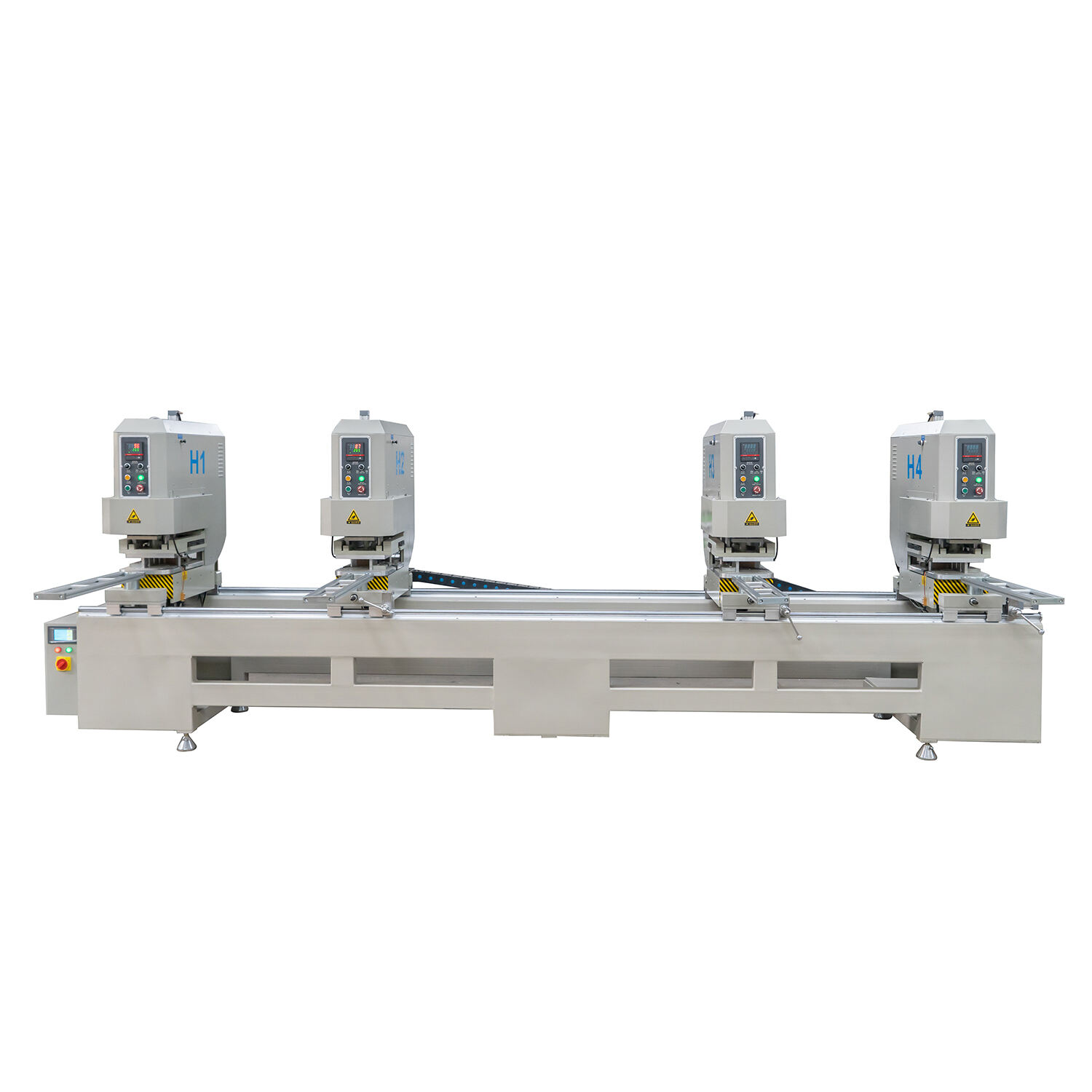
Mechanical Wear and Structural Instability Leading to Corner Cutting Saw Misalignment
Fixture Degradation and Conduit Positioning Drift
When the bushings wear down, along with those clamping areas and structural frames, it leads to positional drift when assembling corners. Small amounts of play matter a lot. Just 0.05 mm of looseness in fixtures builds up over multiple production cycles until we start seeing real misalignment problems. Temperature changes make things worse too. The pressing blocks expand differently from the conduit fixtures as they heat up during operation. If there's no system to compensate for this mechanical backlash, those tiny shifts push the saw blade slightly off course. A fraction of a degree might not seem like much, but it creates noticeable gaps in finished products. Industry data shows around 70-75% of all positioning errors come back to worn out fixtures that weren't properly maintained.
CNC Axis Backlash and Repeatability Loss in Corner Assembly Cycles
When ball screws develop backlash or gearboxes start showing wear, it creates mechanical slop during those direction changes, which really messes with axis repeatability when doing mitre sequences. Take a 0.1 mm gap as an example. That might not sound like much, but it actually translates to about 0.3 degrees of angular deviation at the cutting head. After several cuts, this adds up enough to seriously affect joint quality. The thing is, vision systems just can't compensate for this kind of built-in mechanical play. What happens instead is gradual drift as machines run through those fast corner assembly cycles. And then there's the slideway wear issue too. As these components wear down faster than expected, positioning gets less certain. That's why real time compensation algorithms have become so important nowadays for keeping things precise even when the machine structure isn't perfectly stable.
Calibration Failures That Exacerbate Corner Cutting Saw Misalignment
Vision System Calibration Drift Affecting Angle Detection Accuracy
For machine vision systems to maintain their ability to detect angles within 0.1 degrees, regular calibration is absolutely essential. The problem comes when temperatures fluctuate throughout the day or when machinery vibrates during operation these factors slowly mess with the calibration accuracy over time. What happens next? Cameras start seeing things wrong, sensors give incorrect readings about where parts actually are on the production line. We've seen cases where just a half degree drift in calibration leads to roughly 30% more scrap material being produced at corner assembly stations. The results are pretty obvious too asymmetric joints in conduits and cuts that don't match up properly across different sections of the workpiece. When this occurs, operators have no choice but to step in manually and correct what the automated system got wrong, which obviously slows down the whole process. To keep everything running smoothly, most plants implement preventive maintenance routines that include checking calibrations against optical reference standards every week or so, even though nobody really looks forward to those tedious checks.
Saw Blade and Tooling Recalibration Oversights After Changeovers
Around two thirds of all production mistakes happen right after changing blades or fixtures, usually because someone forgot to do the recalibration stuff. When operators are focused on getting maximum output, they tend to skip those positioning resets after swapping tools, which lets small alignment issues build up over time. Without proper calibration, blade changes can create backlash problems that go beyond 0.3 millimeters. That kind of error is actually enough to ruin the watertight seals on completed conduits. Workshops that implement mandatory recalibration checks along with digital log records see about a 45% drop in downtime from these alignment issues. But looking at recent industry reports, it seems only about a quarter of manufacturing shops actually stick to these protocols consistently across their operations.
Thermal and Operational Stressors Contributing to Corner Cutting Saw Misalignment
Thermal Expansion-Induced Shifts in Pressing Blocks and Conduit Fixtures
When machines run nonstop, the friction creates heat that makes pressing blocks and conduit fixtures expand. This expansion messes up the alignment points needed for accurate corner assembly work. Take a look at what happens when steel components heat up just 10 degrees Celsius. A one meter long piece will actually grow by more than 100 micrometers. That's way past what most tight fitting conduit joints can handle. Over time these tiny shifts build up during long production runs. They throw off where the workpieces sit and lead straight to saw misalignment problems. The angle changes don't just happen once either. They keep coming back, wearing down fixtures faster and making technicians constantly adjust equipment. Good shops know this is a big issue and have developed several ways to combat it including:
- Active cooling systems for heat dissipation
- Low-thermal-expansion alloys in fixture construction
- Scheduled cooldown pauses during high-volume operations
Pairing real-time temperature monitoring with thermal compensation algorithms helps preserve dimensional stability despite operational stress.
FAQs
Why do fixtures and conduits drift out of position?
Fixtures and conduits can drift due to wear and tear on bushings, clamps, and structural frames that cause positional shifts when corners are assembled. Such drift is exacerbated by temperature fluctuations as different materials expand at different rates.
How does CNC axis backlash affect corner assembly precision?
CNC axis backlash and wear in gearboxes create mechanical slack that reduces precision during cutting, leading to angular deviation and affecting the quality of joints.
What are the consequences of calibration failures?
Without proper calibration, machine vision systems may inaccurately detect angles, resulting in increased scrap material and complications in corners assembly.
How can thermal expansion affect saw alignment?
Thermal expansion causes components to change size, which affects alignment points and necessary precision in corner assembly, often leading to misalignment.