 EN
EN

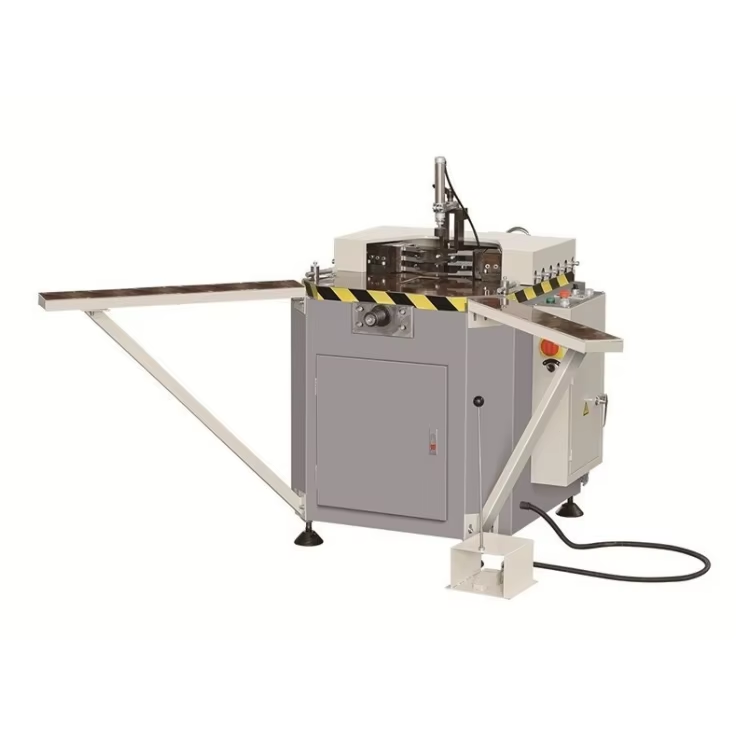
Identify Root Causes of Excess Cycle Time with Value Stream Mapping and DMAIC
Map the current-state group-angle cleaning process to expose non-value-adding motion, waiting, and overprocessing
When looking at window frame corner cleaning through value stream mapping (VSM), we get a clear picture of all the steps involved and where things start going wrong with how materials move around and information gets passed between departments. What keeps coming up are basically three big problems: machines moving when they don't need to during those angle adjustments, workers sitting around waiting for tools to switch out, and doing too many quality checks that just aren't necessary. Take the manual repositioning of those PVC or aluminum profiles for instance. Each time someone has to adjust them by hand, it eats up about 12 to 18 extra seconds per unit. Multiply that across an entire production run and suddenly those little delays eat up roughly a third to almost half of the whole cycle time. So really, most of what makes these operations take so long isn't actually the cleaning work itself but all these preventable stoppages throughout the process.
Apply DMAIC to quantify corner cleaning cycle time reduction opportunities—downtime, setup variability, and redundant repositioning
DMAIC (Define, Measure, Analyze, Improve, Control) helps turn those Value Stream Mapping insights into real actions backed by solid data. When we look at sensor readings during the Measure stage, it turns out worn tools account for about a quarter of all unexpected stoppages. Operators setting things up differently each time adds another 15% variation to how long changeovers take. Looking deeper, our analysis found something interesting too: those composite frames need almost three times as many adjustments compared to regular designs. The more complex the profile shape, the longer cycles get stretched out. All this points to some big wins possible. Standardizing fixtures alone could knock off around 8 minutes every hour spent on production. And if we implement predictive maintenance properly, we might see unplanned downtime drop by nearly a fifth across the board.
Reduce Group-Angle Setup Time Using SMED and Standardised Fixturing
Convert internal setup tasks to external (e.g., pre-loaded tooling, quick-release angle jigs) for <3-minute changeovers
The SMED method, which stands for Single-Minute Exchange of Dies, basically takes all those time-consuming tasks that need machines to be stopped and moves them outside the production line so they can happen while everything else is running. When it comes to corner cleaning operations, manufacturers typically preload their abrasive materials beforehand and use specially designed quick release jigs that fit standard window angles. According to studies from the Kaizen Institute, companies implementing these techniques have seen their changeover times drop dramatically, sometimes cutting down wait periods by as much as 94%. Most shops report getting their transitions under three minutes now, which adds up to extra productive hours throughout each workday.
Standardise modular fixture interfaces across PVC, aluminium, and composite window frame profiles to eliminate manual realignment
The universal mounting interface system, which relies on standard rail setups, keeps tools positioned consistently regardless of what kind of fenestration material is being worked on. No more wasting 15 to 20 minutes each shift trying to get those clamps aligned properly for different frame types like PVC, aluminum, or composite materials. Shops report cutting down on adjustment time by almost two thirds when handling mixed product runs. And there's less waste from misaligned cuts at mitre joints and corners too, which means production stays flowing smoothly without constant interruptions for fixes.
Automate Corner Cleaning Sequences to Minimise Motion and Maximize Uptime
Deploy vision-guided positioning and adaptive spindle control for precise, angle-specific cleaning without operator intervention
Modern vision guided systems rely on 3D sensors that can spot frame geometry almost immediately and figure out where tools should go. At the same time, the adaptive spindle control keeps changing RPM speeds and feed rates as it gets feedback from whatever material it's working with right now. What we get from all this tech is pretty much the same amount of pressure applied consistently whether dealing with PVC, aluminum sheets, or composite materials. No need for those tedious manual measurements or constant readjustments anymore. The automated process actually manages to cut down wasted movements by around 40 percent according to field tests. Plus there's that amazing ±0.1mm accuracy when cutting miters which means even tricky angled cuts can be done cleanly in just one pass through the machine.
Use predictive maintenance triggers to sustain 92% uptime and avoid unplanned stops during high-frequency corner cleaning cycles
In modern manufacturing setups, embedded IoT sensors keep track of things like spindle vibrations, motor temps, and tool wear while machines run at high speeds for end face milling tasks. The real magic happens when these systems notice something's off compared to normal readings. Instead of stopping everything halfway through a production cycle, which would be a nightmare in our 24/7 fenestration operations, the system plans maintenance work around scheduled equipment changes. According to what most industry experts are seeing out there, this kind of proactive monitoring keeps machines running smoothly over 90% of the time. They catch about 85% of possible breakdowns before they even happen, so those automated cleaning processes can keep going without interruption day after day.
Align Line Balance and Takt Time to Sustain Corner Cleaning Cycle Time Reduction
Getting those corner cleaning cycles consistently shorter really comes down to matching what happens at each workstation with something called takt time. Takt time basically tells us how fast things need to move to keep up with what customers want. Want to figure out your takt time? Take all the minutes you have for production during a shift, say around 480 minutes, and divide that by how many products need to come out each day. If we're making 400 frames per day, that math gives us about 1 minute and 12 seconds per frame. When workstations run slower than this calculated rate, they become roadblocks in the whole process. But if stations are way ahead of schedule, that usually means either too much stuff getting made or problems balancing the workload across different areas. Getting everything synced up properly takes some careful planning and constant monitoring.
- Map all cleaning, inspection, and transfer steps with precise timings
- Reallocate tasks to minimize idle time and close workflow gaps
- Standardize sequences using visual work instructions
This ensures deburring stations operate at steady rhythm——no pileups, no operator overburden——after SMED or automation upgrades. Lean practice confirms that balanced cycle times matching takt time reduce WIP inventory by 19%, and continuous IoT dashboard monitoring enables rapid correction of deviations, preserving long-term gains in group-angle processing speed.
FAQ
-
What is Value Stream Mapping (VSM)?
Value Stream Mapping is a visual tool used to analyze and improve the flow of materials and information in manufacturing to identify and eliminate waste. -
How does DMAIC work in process improvement?
DMAIC stands for Define, Measure, Analyze, Improve, Control, and it is a data-driven methodology used to improve processes by identifying root causes and implementing solutions. -
What is the purpose of SMED in manufacturing?
SMED, or Single-Minute Exchange of Dies, aims to reduce setup times in manufacturing processes to less than ten minutes, facilitating quick changeovers. -
How can predictive maintenance contribute to process efficiency?
Predictive maintenance uses IoT and sensor data to anticipate equipment failures, allowing for proactive maintenance that minimizes downtime and maintains high operational efficiency. -
What is takt time and why is it important?
Takt time is the rate at which products must be completed to meet customer demand. Aligning production with takt time ensures efficient workflow and prevents bottlenecks.
Table of Contents
- Identify Root Causes of Excess Cycle Time with Value Stream Mapping and DMAIC
- Reduce Group-Angle Setup Time Using SMED and Standardised Fixturing
- Automate Corner Cleaning Sequences to Minimise Motion and Maximize Uptime
- Align Line Balance and Takt Time to Sustain Corner Cleaning Cycle Time Reduction