 EN
EN

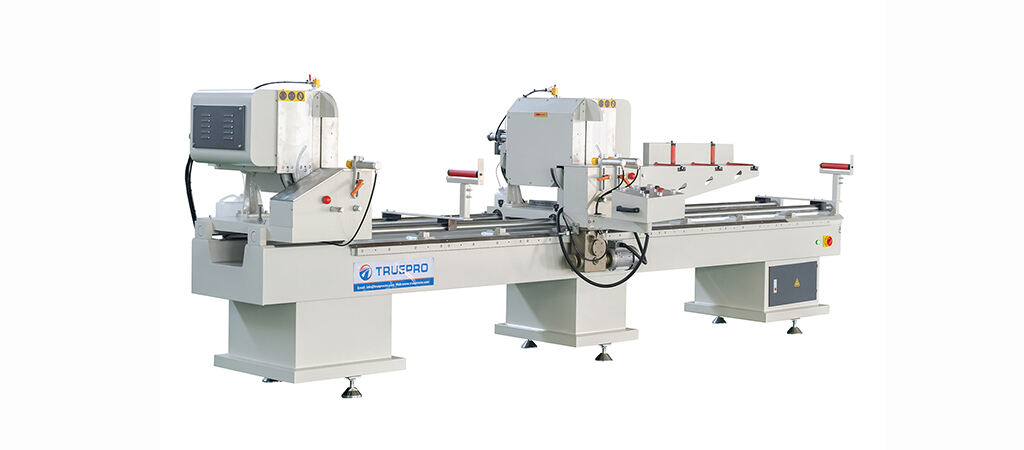
Why Window Assembly Leak Test Integration Is Critical for High-Volume Aluminum Window Production
The cost of late-stage leak detection: scrap, rework, and warranty risk escalation
When leaks show up after assembly lines have cranked out products, manufacturers end up paying dearly for it. According to Ponemon's research from last year, each faulty unit typically costs around $740,000 in warranty claims and recalls alone. And that doesn't even count all the wasted materials and production holdups that happen along the way. Companies that catch problems early on during manufacturing avoid most of these headaches by spotting those pesky sealant gaps and alignment issues right at the start. Big name manufacturers in the industry swear by this approach. Their data shows that integrating quality checks directly into production cuts down on rework by about 40 percent compared to doing inspections after everything is built. What's more, their warranty expenses drop roughly 32 percent over two years once they switch to this proactive method.
Industry benchmark: Why 68% of lines omit inline leak validation (AAMA 2023 data)
According to the American Architectural Manufacturers Association (AAMA), most production lines today don't actually have proper leak validation systems in place because many see them as creating bottlenecks. But there's another approach worth considering. When manufacturers synchronize pressure decay tests with existing machine cycles, they can check for air tightness in less than 90 seconds per unit. This addresses one major concern factories have had all along about quality checks slowing down production. Plants that switch to automatic air leak detection typically recoup their investment within around 18 months. They save money by cutting down on wasted materials and avoiding those costly fines when products fail ASTM E1105 testing requirements.
Seamless Window Assembly Leak Test Integration: Aligning with Machine Cycle Time and Final QC Gate
Synchronizing automated pressure decay testing with aluminum window machine cycle output
When setting up automated pressure decay testing, it's really important to match the speed of the production line or else we end up with expensive delays. Take aluminum window manufacturing for instance, especially when plants aim to produce over 40 units every hour. Getting those cycle times down below 90 seconds means having test procedures that account for how materials stabilize temperature wise, all without losing accuracy somewhere along the way. The numbers tell us something interesting too. According to AAMA research from 2023, around 27% of all false readings come from temperature changes alone. That's why modern equipment comes equipped with smart calibration features that constantly tweak themselves based on how aluminum expands when heated. These adjustments make sure leaks get detected properly even during peak production periods, and they also help keep everything within the standards set by AAMA 501.2 specifications.
Embedding air and water infiltration tests at the final quality gate—without bottlenecks
Positioning comprehensive leak validation at the final quality control gate prevents defective units from advancing—yet improper implementation risks throughput constraints. Successful integration combines three strategies:
- Sequential test staging: Conducting air infiltration checks before water spray tests reduces false negatives by 18% (ASTM E1105 validation study)
- Parallel station design: Diverting units to dedicated test chambers during visual inspection phases
- Adaptive thresholding: Applying dynamic pass/fail criteria based on joint-sealant profiles
| Test Method | Cycle Time Impact | Accuracy Level | Best For |
|---|---|---|---|
| Pressure Decay | Low (3–8 sec) | ±0.05 CFM | High-volume production |
| Water Spray Chamber | High (45–60 sec) | Visual defect | Final certification |
| Tracer Gas | Medium (15 sec) | <0.01 CFM | Premium energy-rated |
This approach maintains throughput above 97% of baseline capacity while ensuring airtightness compliance—critical for meeting ENERGY STAR® certification requirements without rework penalties averaging $220 per unit (NFRC 2023 audit).
Standards-Compliant Validation: Applying AAMA 501.2, ASTM E1105, and AAMA 502 in Production
Translating AAMA/ASTM Requirements into Actionable Pass/Fail Thresholds for Final Inspection
When companies put standardized leak testing protocols such as AAMA 501.2, ASTM E1105, and AAMA 502 into practice, they turn vague quality goals into something that can actually be measured during production runs. Manufacturers who don't have clear pass or fail standards based on these guidelines face problems. According to recent data from AAMA 2023, about one third of all manufacturers experience inconsistent results when validating leaks, which ends up costing them around seven hundred forty thousand dollars each year just for fixing mistakes. Getting good results from window assembly leak tests really depends on taking those technical specs and turning them into simple yes/no inspection points that workers can easily follow during their daily checks.
- Pressure decay limits: Set maximum allowable pressure drop (e.g., €0.5 psi/min under ASTM E1105) to flag sealant failures
- Water infiltration resistance: Define spray duration and pressure parameters mirroring real-world storm conditions per AAMA 502
- Joint integrity metrics: Establish tolerance thresholds for framing gaps detected through automated pressure decay testing
This methodology eliminates subjective quality judgments. For example, AAMA 501.2’s mandatory 15-minute test duration becomes a non-negotiable timer in automated test sequences. Production lines achieve compliance when every unit either passes all digital validations or triggers immediate rejection—removing ambiguity at the final quality gate.
Targeting Aluminum-Specific Failure Modes: Sealant Integrity and Framing Joint Verification
Linking pressure decay anomalies to joint misalignment and sealant application defects
When we run pressure decay tests on aluminum windows, what we're really doing is finding those weak spots in the assembly by looking at how air leaks correlate with structural problems. Quick drops in pressure usually point to joints that aren't aligned properly, something that happens all the time at corner connections between extruded frames. These issues get worse when manufacturers crank out windows fast and cheap, leaving tiny gaps from their mechanical fasteners. On the other hand, slow pressure loss tells us there's probably something wrong with the sealant application. We see this when bead thickness varies across the surface or when dirt gets mixed into the sealant before it cures. Either way, these failures mean higher energy bills for building owners and water getting through where it shouldn't, which nobody wants to deal with come rain season.
Integrating leak test validation at the final quality gate allows manufacturers to pinpoint these aluminum-specific issues before units ship. Pressure decay anomalies map precisely to:
| Failure Indicator | Defect Origin | Impact on Performance |
|---|---|---|
| Sudden pressure drop | Corner joint gaps from frame misalignment | Thermal bridging, water infiltration |
| Slow pressure decline | Incomplete sealant coverage or adhesion | Reduced airtightness, condensation |
This diagnostic approach prevents warranty claims by catching flaws during production. Automated air leakage validation systems detect deviations exceeding ASTM E283 thresholds—critical for energy-rated window compliance. Sealant integrity verification ensures long-term durability against environmental stressors unique to aluminum substrates.
FAQ
What is a pressure decay test?
A pressure decay test checks for leaks in windows by monitoring how quickly pressure drops inside a sealed unit, revealing any gaps or misalignments that may cause air leakage.
Why do aluminum windows require specific leak tests?
Aluminum windows require specific leak tests to identify common issues such as frame misalignment and sealant defects, which can compromise airtightness and energy efficiency.
How does inline leak testing save costs in window production?
Inline leak testing saves costs by detecting defects early in the production process, reducing rework, warranty claims, and material waste.
What are AAMA and ASTM standards?
AAMA and ASTM standards provide guidelines for assessing the performance and quality of building materials, including window leak testing protocols used by manufacturers.
Table of Contents
- Why Window Assembly Leak Test Integration Is Critical for High-Volume Aluminum Window Production
- Seamless Window Assembly Leak Test Integration: Aligning with Machine Cycle Time and Final QC Gate
- Standards-Compliant Validation: Applying AAMA 501.2, ASTM E1105, and AAMA 502 in Production
- Targeting Aluminum-Specific Failure Modes: Sealant Integrity and Framing Joint Verification